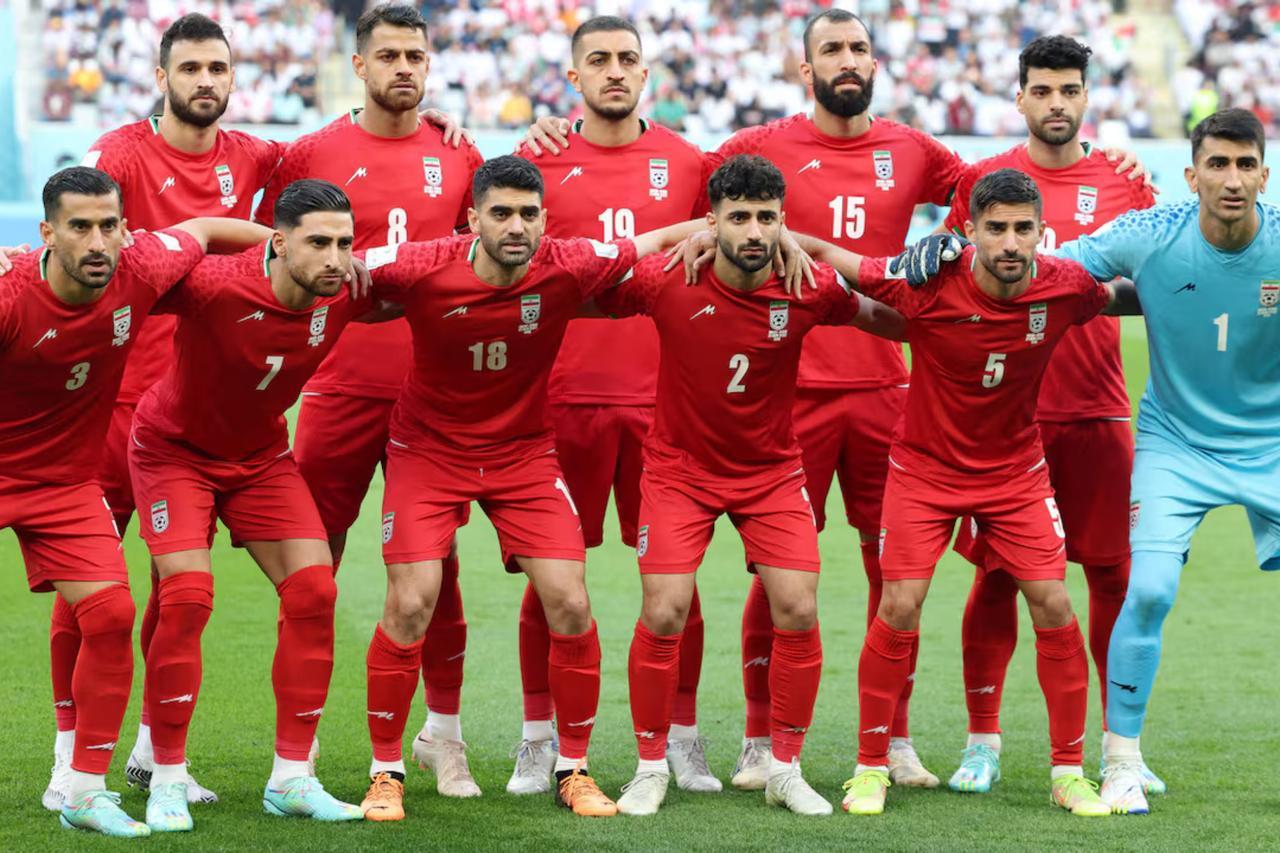
Marco Rubio Says US Will Allow Iranian Players at 2026 World Cup, Bars IRGC Ties
Key Takeaways
- US allows Iranian players to participate in the 2026 World Cup.
- IRGC-tied individuals barred from accompanying Iranian players.
- Rubio denied Iran could be barred from the World Cup.
Rubio: Players Welcome
The United States signalled that Iranian players will be permitted to take part in the 2026 FIFA World Cup while drawing a boundary around who can travel with the squad, with Secretary of State Marco Rubio speaking alongside President Donald Trump.
“US Secretary of State Marco Rubio said Washington has no objections to Iranian players participating in the 2026 FIFA World Cup, but he added the players will not be allowed to bring people with ties to Iran’s Islamic Revolutionary Guard Corps (IRGC) with them”
Rubio told reporters, “Nothing from the US has told them they can't come,” and he said the issue was not with Iranian athletes themselves.

“The problem with Iran would be not their athletes. It would be some of the other people they would want to bring with them, some of whom have ties to the IRGC,” Rubio said.
He added, “We may not be able to let them in but not the athletes themselves,” framing the restriction around non-playing personnel.
Rubio also warned, “They can't bring a bunch of IRGC terrorists into our country and pretend that they are journalists and athletic trainers,” linking the travel limits to Washington’s designation of the IRGC as a “foreign terrorist organisation.”
Trump echoed the same line, saying his administration “would not want to affect the athletes.”
The World Cup is set to begin on June 11 across the US, Mexico and Canada, and the remarks came as Iran’s participation had been in doubt because all of its group-stage matches are scheduled to be played in the United States.
Why the Restrictions
The US position was presented as a response to the wider geopolitical context surrounding Iran and the IRGC, with Rubio tying the travel limits to Washington’s designation of the IRGC as a “foreign terrorist organisation.”
Al Jazeera reported that since the United States-Israeli war on Iran began on February 28, Iran’s participation in the summer’s World Cup had been in doubt because all of the country’s group-stage matches are scheduled to be played in the United States.

Rubio’s remarks repeatedly distinguished between Iranian players and “some of the other people they would want to bring with them,” including individuals with ties to the IRGC.
“We may not be able to let them in, but not the athletes themselves,” he said, and he warned that the delegation could face entry barriers if suspected of IRGC links.
The Daily Express US version of the same statement added that the restriction was “not with the players themselves, but with non-playing personnel accompanying the squad.”
The Guardian similarly described Rubio’s message as distancing the US government from a proposal that Italy could take Iran’s place, while still warning the US may bar entry to members of the Iranian delegation it judged to have ties to the IRGC.
In parallel, Iran’s government spokesperson Fatemeh Mohajerani said in a statement on Wednesday that “all necessary arrangements for the team’s participation in the tournament have been ensured by the Ministry of Sports and Youth,” and Iran’s football federation president Mehdi Taj told reporters, “We are preparing and making arrangements for the World Cup, but we are obedient to the decisions of the authorities.”
Iran, Italy and Envoy
While Rubio insisted Iranian players would be allowed to compete, the US remarks also addressed a separate controversy involving the idea that Italy could replace Iran at the tournament.
“Iran’s footballers will be welcome at this year’s World Cup, secretary of state Marco Rubio said Thursday, distancing the United States government from a proposal that Italy could take their place in the tournament”
Multiple outlets traced the proposal to Paolo Zampolli, described as a Trump envoy with no formal tournament role, who suggested Italy could take Iran’s place.
Al Jazeera reported that Zampolli told The Financial Times that he made the suggestion to both Trump and FIFA President Gianni Infantino, and it quoted him saying, “I’m an Italian native, and it would be a dream to see the Azzurri at a US-hosted tournament.”
The Türkiye Today account said Rubio denied reports that Iran could be removed and also denied reports that Italy could replace Iran at the tournament, after the Financial Times report that Zampolli had proposed the swap.
The Guardian said Rubio was responding to the reported proposal and that it was dismissed out of hand by the Italian government and sports officials earlier on Thursday.
Italy’s sports minister Andrea Abodi rejected the idea, saying, “it is not appropriate … You qualify on the pitch,” and the Guardian added that Luciano Buonfiglio, president of Italy’s Olympic committee, said, “I would feel offended. You have to earn your place in the World Cup.”
On the Iranian side, the National reported that Iranian government spokesperson Fatemeh Mohejerani told Iran’s state TV on Wednesday that the “Ministry of Youth and Sports made an announcement about the full preparedness of our national soccer team for presence in the 2026 World Cup in the US, by the order of the minister.”
How Outlets Framed It
The same core message—Iran’s players are welcome, but IRGC-linked delegation members may be barred—was framed differently across outlets, particularly around the Italy replacement proposal and the tone of the US warning.
The Guardian emphasized Rubio’s distancing from the Italy idea, stating that he was “distancing the United States government from a proposal that Italy could take their place in the tournament,” while still repeating that “We may not be able to let them in, but not the athletes themselves.”

Al Jazeera foregrounded the travel restriction mechanism by quoting Rubio’s distinction between athletes and accompanying personnel and by stating that Washington “has designated the IRGC as a ‘foreign terrorist organisation’.”
Türkiye Today presented the story as a denial of removal and a denial of the Italy replacement, saying Rubio “denied reports that Iran could be removed from the 2026 FIFA World Cup” and also “denied reports that Italy could replace Iran at the tournament.”
The Daily Express US, in contrast, leaned into a harsher characterization of the IRGC-linked individuals, using the line “They can't bring a bunch of IRGC terrorists into our country and pretend that they are journalists and athletic trainers,” and it added that Trump was “spotted nodding along” to Rubio’s statement.
The National and the Jerusalem Post both focused on the practical implications for the team’s participation, with The National describing the tournament as “jointly in the US, Canada and Mexico” and the Jerusalem Post stating “The 2026 soccer World Cup is set to begin on June 11 across the United States, Mexico, and Canada.”
The National also added operational details about visas and training, saying “A key issue to be resolved is the US government giving entry visas to the Iranian delegation, including federation president Mehdi Taj,” while the Jerusalem Post highlighted the rejection of Italy’s back-door entry and the war-linked uncertainty.
Matches, Camps and Next Steps
As the World Cup approaches, the sources describe a set of concrete scheduling and logistical issues tied to Iran’s participation, alongside the US’s stated willingness to restrict parts of the delegation.
“Iran said that its men's football team are preparing for "proud and successful participation" at the 2026 Fifa World Cup, while US Secretary of State Marco Rubio said that Iranian players will not be allowed to bring with them anyone with ties to Iran's Islamic Revolutionary Guard Corps (IRGC)”
The National said Iran is scheduled to play two group-stage games at the Los Angeles Rams' stadium in Inglewood—against New Zealand and Belgium—then face Egypt in Seattle, and it added that the team is due to arrive at its training camp in Tucson, Arizona no later than June 10.
It also said this is “at least five days before Iran's first game as required by Fifa's World Cup rules,” and it stated that Infantino has ruled out any suggestion that Iran's group games be moved to Mexico.
The National further described a key issue to be resolved: “A key issue to be resolved is the US government giving entry visas to the Iranian delegation, including federation president Mehdi Taj,” and it said Mehdi Taj was barred from attending the World Cup draw in Washington in December.
It also reported that Infantino promised the Iranian team three weeks ago he would help find a training camp outside of the country for the team to prepare for the World Cup, and it suggested that could take place in Turkey, where Iran played warm-up games last month in Antalya against Nigeria and Costa Rica.
The Guardian added that Infantino told AFP last month that Iran will be at the World Cup and that they will play “where they are supposed to be, according to the draw,” reinforcing that the tournament schedule is not being shifted.
Meanwhile, Al Jazeera reported that in a statement on Wednesday Iran’s government spokesperson Fatemeh Mohajerani said all necessary arrangements had been ensured by the Ministry of Sports and Youth, and it quoted Mehdi Taj saying Iran is preparing and obedient to authorities’ decisions.
More on Sports

Paolo Zampolli Pushes FIFA To Replace Iran With Italy At World Cup 2026
26 sources compared

Erling Haaland Scores Early as Manchester City Beat Burnley 1-0 to Go Top
10 sources compared

Iran Says It Is Fully Prepared for 2026 FIFA World Cup in United States, Canada, Mexico
21 sources compared

Jude Bellingham Buys Stake in Birmingham Phoenix Cricket Team
10 sources compared