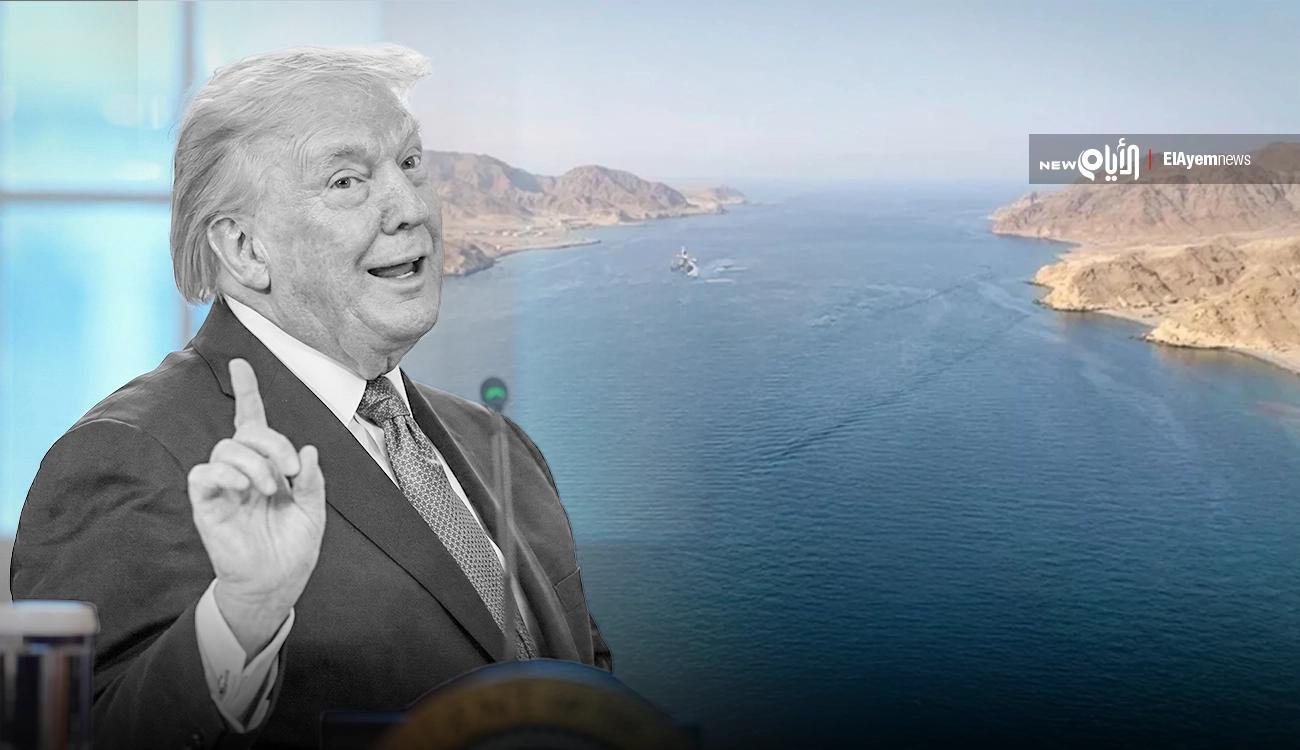
Maria Zakharova Says US Blockade of Strait of Hormuz Violates UN Charter And International Law
Key Takeaways
- Russia says the U.S. blockade of Hormuz violates the UN Charter and international law.
- The blockade is described as unilateral and illegitimate by Moscow.
- The move is expected to escalate tensions in the region.
Russia Slams Hormuz Blockade
Russia on Thursday denounced the United States’ blockade of the Strait of Hormuz as unlawful, with Russian Foreign Ministry spokeswoman Maria Zakharova saying the measure violates the UN Charter and international law.
“Russia says US blockade of Hormuz Strait unlawful - Global Times WORLD / CROSS-BORDERS Russia says US blockade of Hormuz Strait unlawful By Xinhua Published: Apr 17, 2026 08:35 AM Russia on Thursday said that the U”
Speaking at a news briefing, Zakharova said measures “such as intercepting vessels or blocking Iranian ports” “must be viewed as strictly unilateral and illegal,” both “under the UN Charter and the international maritime law.”

She argued that “This is yet another arbitrary interpretation by Washington of the international legal framework,” adding that it “only contributes to the further escalation of the conflict and, naturally, leads to corresponding economic consequences.”
Zakharova stressed that “according to the UN Charter, the imposition of a naval blockade is only possible by decision of the UN Security Council,” as “one of the collective measures to restore and maintain international peace and security.”
The Russian remarks were reported alongside claims that the U.S. blockade has been framed as a response to Iran, with China Daily quoting Zakharova describing “the unprovoked aggression against Iran by the United States and Israel” and saying it has brought shipping in the Persian Gulf region “to a near standstill.”
In the same China Daily account, Zakharova tied the legal dispute to broader impacts, saying the situation has “disrupted global energy markets” and “damaged agriculture and industry in many countries.”
Legal Arguments and Escalation
In Russia’s account, the blockade is not just a tactical move but a legal breach that escalates an already tense confrontation.
Zakharova told reporters that “Overall, US measures to impose a naval blockade on the Strait of Hormuz, whether intercepting ships or blocking Iranian ports, must be viewed as strictly unilateral and illegal,” citing “both from the perspective of the UN [United Nations] Charter and international maritime law in particular.”

She framed the U.S. approach as “yet another arbitrary interpretation by Washington of the international legal framework,” and said it “only contributes to the further escalation of the conflict.”
The same line of argument appeared in the Global Times and China Daily versions of the remarks, with Zakharova repeating that the UN Charter limits blockade authority to the UN Security Council.
China Daily also connected the legal dispute to the broader regional situation, saying the “unprovoked aggression against Iran by the United States and Israel” has brought shipping “to a near standstill.”
The China Daily report further stated that U.S. Defense Secretary Pete Hegseth warned on Thursday that if Iran does not accept a deal, the U.S. military will strike Iran’s “infrastructure, power and energy.”
It added that the U.S. naval blockade of Iranian ports would continue as the White House is “maximizing economic pressure” unless Iranian leaders “choose wisely,” according to Hegseth’s remarks at a Pentagon press briefing.
In the same China Daily account, Iranian media reported that “more than 3,000 people were killed across Iran in the war launched on Feb 28 by the United States and Israel,” placing the blockade dispute within a wider conflict timeline.
Medvedev’s Orwell Reference
Russia’s criticism of the blockade also surfaced in a satirical remark by Dmitry Medvedev, Deputy Chairman of Russia's Security Council, who invoked George Orwell’s “1984” in connection with the U.S. decision.
“US blockade of Hormuz violates int'l law: Russian spokesperson MOSCOW - The US naval blockade of the Strait of Hormuz is a unilateral and illegitimate measure that contradicts international law, Russian Foreign Ministry spokeswoman Maria Zakharova said on Thursday”
In the Days News report, Medvedev wrote on the X platform in English: “While many countries are eager to open the Strait of Hormuz, the White House has decided to ban it... Does a ban mean an opening?”
He added: “Orwell's villains return with doubled force.”
The report says Medvedev later asked: “What next? Of course, War is Peace.”
The Days News piece explicitly linked the phrase “War is Peace” to the novel’s line “War is peace, freedom is slavery, and ignorance is strength,” describing it as a reference to political language used “in a contradictory manner to serve the aims of the authorities.”
The same account placed Medvedev’s remark within a sequence of reported diplomatic steps, saying Tehran and Washington began negotiations in Islamabad on April 11 after U.S. President Donald Trump announced a preliminary agreement with Iran to halt hostilities for two weeks on the night of April 8.
It then said U.S. Vice President J. D. Vance, who headed the American delegation, told the morning of April 12 that the negotiations had not yielded an agreement, bringing tension back to the forefront.
The report also said Trump announced that the United States would begin a blockade of all ships attempting to enter or leave the Strait of Hormuz and tasked the U.S. Navy with tracking and intercepting ships that push for Iran in exchange for passage through the strait.
It added that on the first day of the blockade’s announcement, Iranian media reported that “three oil tankers linked to Iran had entered the Gulf via the Strait of Hormuz.”
How the Blockade Is Enforced
While Russian officials denounced the blockade as illegal, CNN Arabic described how the U.S. blockade was being implemented and why some ships might still pass.
The CNN Arabic report said CENTCOM Commander Brad Cooper stated that the blockade of Iranian ports has been “fully implemented,” and that it “has halted most of Tehran’s economic activity within just a day and a half.”
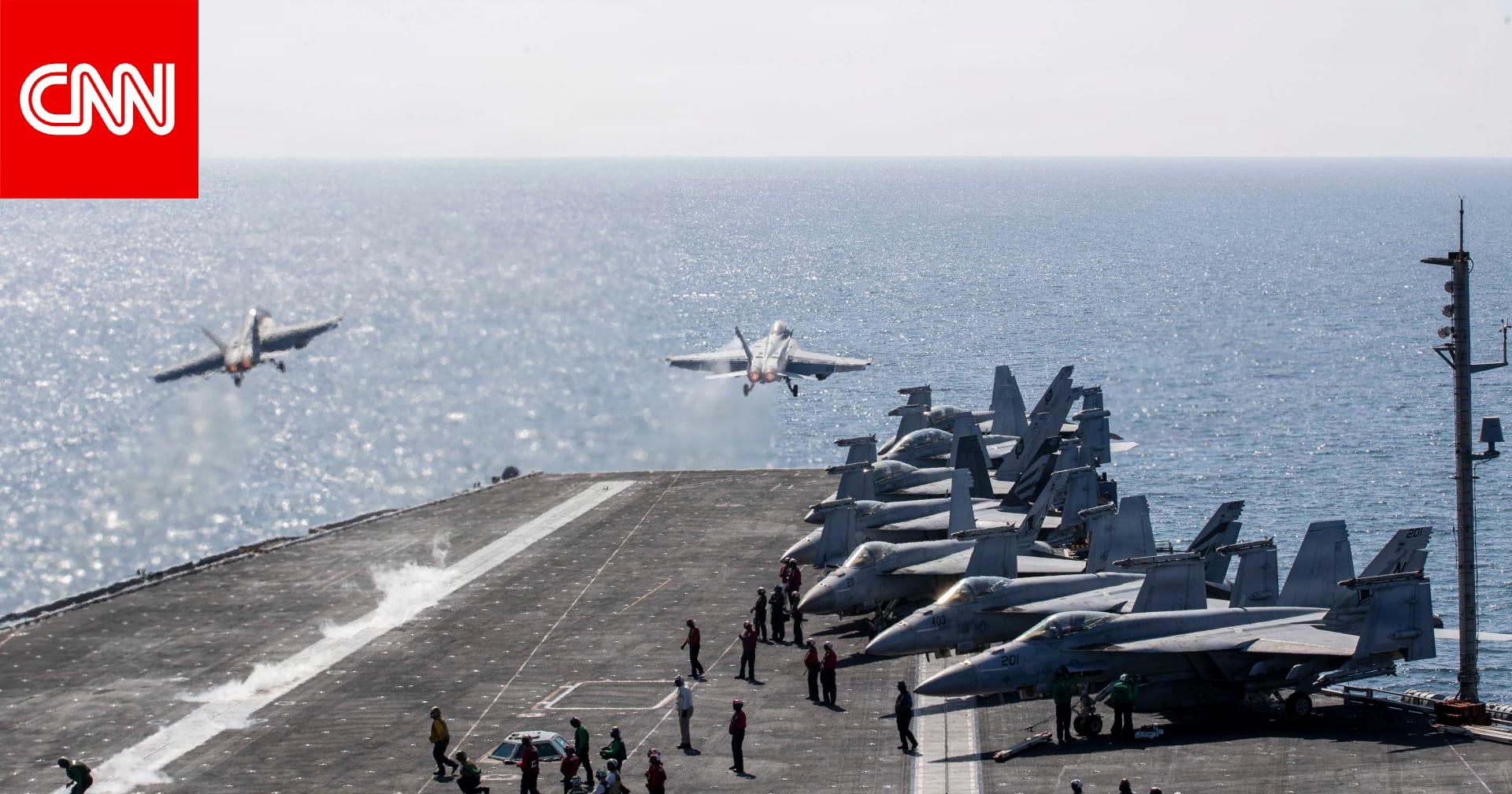
It quoted Cooper’s statement posted on social media that “estimates indicate that about 90% of the Iranian economy relies on internationally traded goods moved by sea.”
CNN Arabic also said that “In less than 36 hours since the blockade began, American forces have succeeded in stopping all commercial and economic activities entering and leaving Iran by sea entirely,” and that CENTCOM previously stated that “no ships had breached the blockade since it took effect.”
The report acknowledged that there were “reports that some commercial traffic was passing through the Strait of Hormuz,” and said that “the presence of that commercial traffic does not automatically invalidate what Admiral Cooper claimed.”
CNN Arabic explained the distinction by saying the blockade covers “all Iranian ports, whether inside Hormuz Strait or outside it,” but “it does not include the Strait itself, as navigation not linked to Iran is allowed to pass.”
It also described enforcement reach, saying U.S. forces can intercept ships carrying shipments tied to Iran even if they are “tens of thousands of miles away,” and cited Carl Schuster, a former U.S. Navy captain, saying the United States does not need to deploy ships inside the Gulf to enforce the blockade.
The report added that CENTCOM said it is deploying “more than 12 warships, more than 100 aircraft, and more than 10,000 personnel” to enforce the blockade, and it referenced the Institute for the Study of War’s claim that the blockade has “no defined geographic borders.”
Russia’s Critique Meets Market Talk
The Russian legal and political objections to the blockade were accompanied by claims in other reporting about potential workarounds and the broader economic stakes.
“IRGC General Esmail Kowsari has suggested Iran could reroute oil exports through Russia if the Strait of Hormuz blockade persists”
In the Crypto Briefing account, IRGC General Esmail Kowsari suggested Iran could “reroute oil exports through Russia if the Strait of Hormuz blockade persists.”
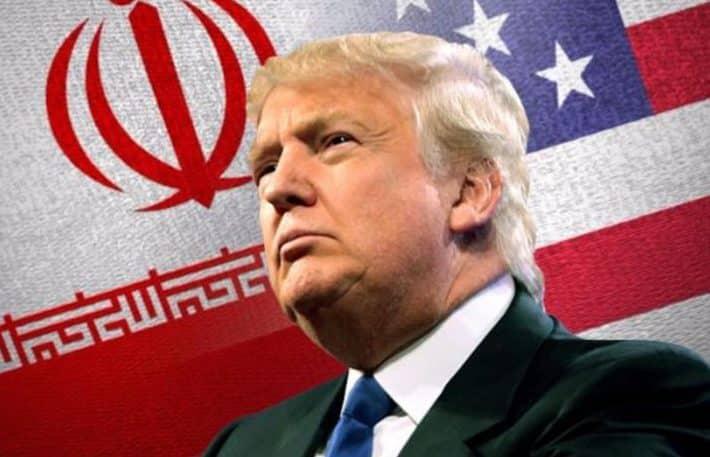
That same piece framed the issue as a strategic pivot rather than a concession, stating that Kowsari’s comments “point to a strategic pivot rather than a concession, which complicates the blockade’s resolution timeline.”
It also asserted that the odds of Trump announcing the blockade’s end by April 17 were being priced in a market, and it referenced “Strait of Hormuz traffic returning to normal by end of April” as a separate pricing target.
Although the Crypto Briefing text is written in the language of prediction markets, it still ties the blockade’s duration to potential routing changes involving Russia.
In parallel, the Global Times and China Daily accounts emphasized that Zakharova said the blockade “only serves to escalate tensions” and “leads to corresponding economic consequences,” linking the legal dispute to economic impacts.
China Daily also reported that Zakharova said the U.S. blockade and the conflict have disrupted shipping and “damaged agriculture and industry in many countries,” while also citing Hegseth’s warning about strikes on “infrastructure, power and energy.”
Taken together, the sources show Russia’s position as centered on UN Charter authority and international maritime law, while other reporting highlighted enforcement claims and possible alternative export routes.
More on Russia

Dmitry Medvedev Threatens To Strike Elsight Drone Facilities Across Europe, Including Prague And Riga
11 sources compared
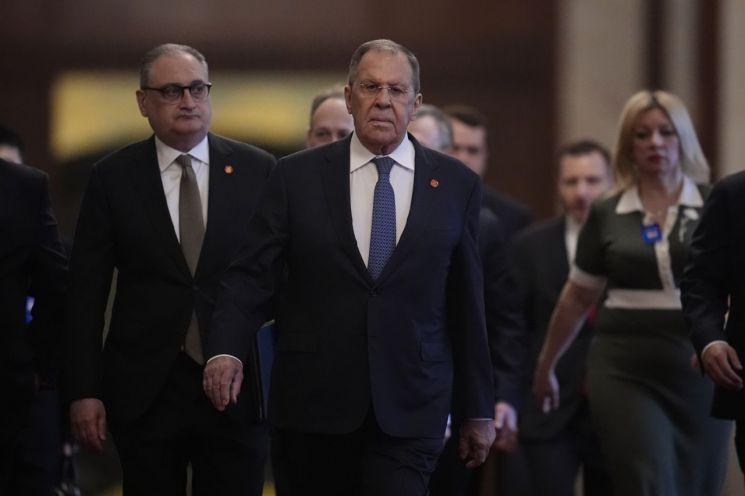
Russia Offers Energy Support to China Amid Middle East and Ukraine Crises
10 sources compared
Xi Jinping Urges Stronger China-Russia Strategic Coordination During Lavrov Meeting
10 sources compared
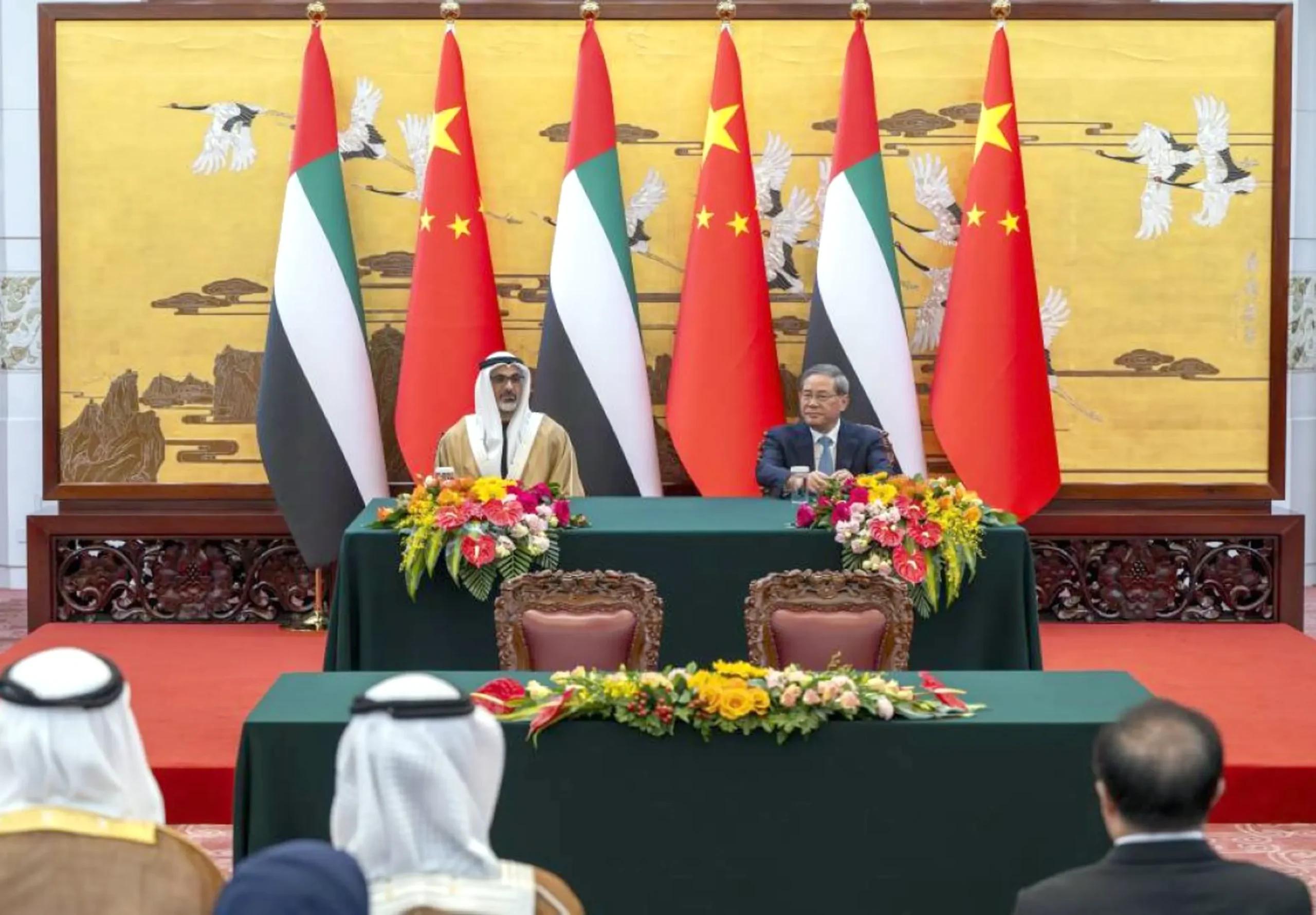
UAE and China Expand Economic Partnership with $111 Billion Non-Oil Trade
11 sources compared