Marketplace®
Key Takeaways
- Federal Reserve Bank of New York published its February Survey of Consumer Expectations.
- Median consumer expectation for inflation one year ahead is 3%.
- The 3% expectation exceeds the Fed's inflation target.
February consumer expectations
The Federal Reserve Bank of New York published its Survey of Consumer Expectations for February on Monday, offering a snapshot of consumer sentiment.
“Consumers are the engine of the U”
The median expectation for inflation one year from now is 3%, which the article notes is higher than the Fed’s target and similar to what consumers expected in January.
Views on the labor market were relatively stable: consumers expected their earnings to grow by 2.5% in the year ahead, down from an expectation of 2.7% in January.
Consumer sentiment and inflation
The article describes this survey data as 'soft data' but stresses that it can still have real economic impacts.
Joanne Hsu, director of the University of Michigan's consumer sentiment survey, said consumer attitudes influence what people decide to do with their money: 'What decades of research has shown is that consumer attitudes do influence what they decide to do with their money.'
Hsu pointed to last year when the Trump administration signaled tariffs were coming, saying consumers worried prices would rise and 'we saw a surge of purchasing in durables and cars during that time.'
She warned that if that kind of demand surge lasts long enough 'it could put upward pressure on prices' and 'could make inflation a self-fulfilling prophecy.'
Survey on consumer sentiment
The article notes the February survey was fielded just before the war in the Middle East began and says the war's effects should be apparent in next month's data.
“Consumers are the engine of the U”
Tuan Nguyen, an economist with RSM, said, "Something like an increase in oil prices or conflict in the Middle East — it is immediately going to impact consumers' expectations."
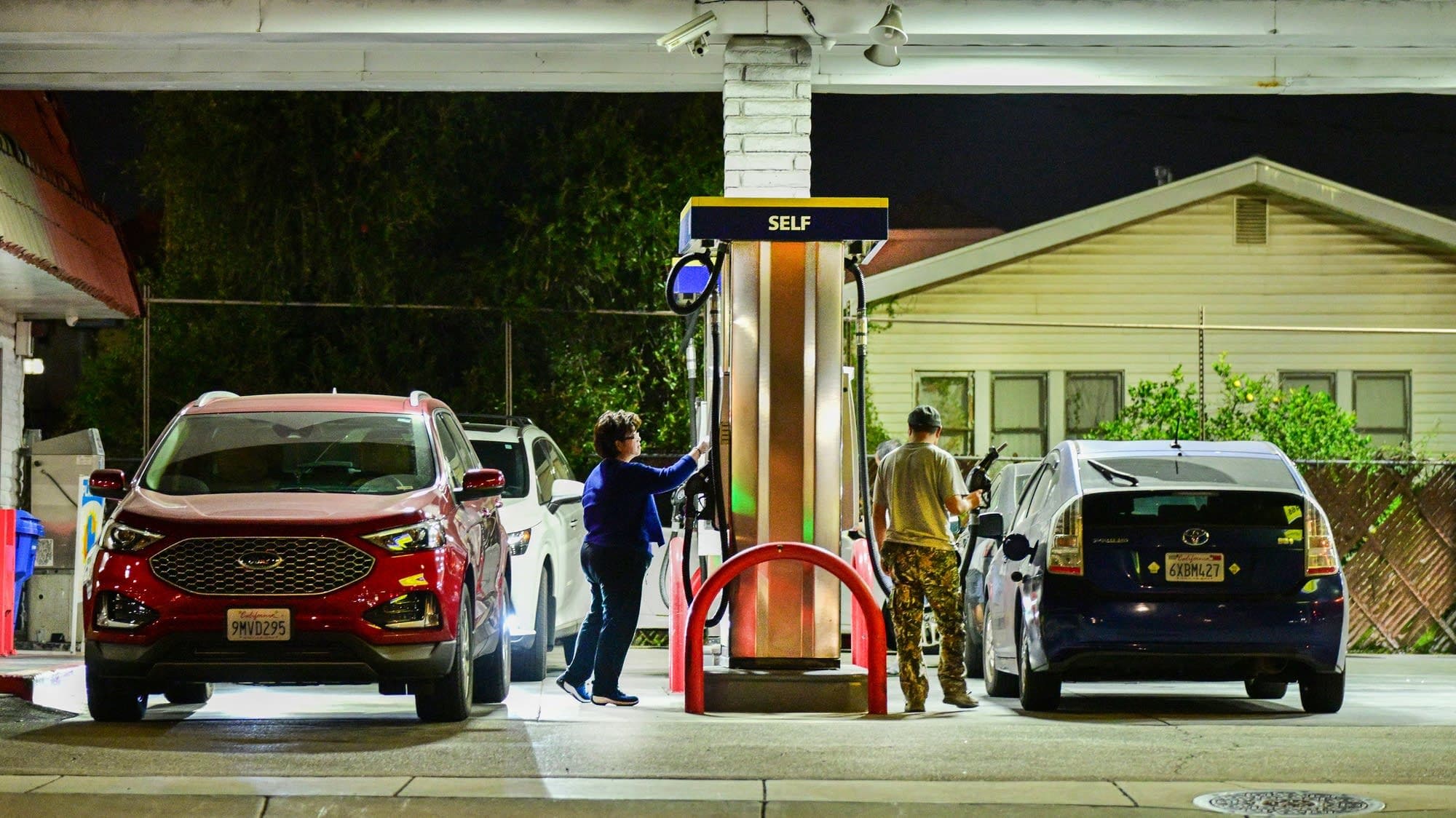
Kayla Bruun, lead economist with Morning Consult, said consumers are already feeling the impact: "They've gotten gas over the past week and they've already started to see higher prices," and Morning Consult observed "a drop in sentiment."
Consumer reaction to wars
The piece compares that reaction to the drop in sentiment after Russia invaded Ukraine and oil prices jumped.
Hsu said earlier consumer reaction was short-lived.
Hsu said, "As the war continued, consumers began to think more about other factors in addition to the war in forming their economic expectations."
On the current war in the Middle East, Hsu says we do not yet know if the negative consumer reaction will persist.