South America20 April, 20267 min read
Mexico, Spain and Brazil Pledge More Aid to Cuba, Urge Protection of Sovereignty
Brazil, Spain, and Mexico pledged to boost aid to Cuba. They urged respect for Cuba's sovereignty and international law, opposing military intervention.
Cuba Aid, Sovereignty Push
Mexico, Brazil and Spain pledged more aid to Cuba and called for the island nation’s sovereignty to be protected in a joint statement released on Saturday, as the Trump administration intensified pressure on Havana. The Al Jazeera report says the leaders expressed “great concern about the serious humanitarian crisis that the people of Cuba are going through” and appealed for respect for Cuba’s “territorial integrity, sovereign equality and peaceful settlement of disputes,” as outlined in the United Nations Charter. The same statement framed the response as coordinated humanitarian action, with the trio saying, “We are committed to coordinating an increase in our humanitarian response, aimed at alleviating the suffering of the Cuban people,” and insisting that any solution must ensure “it is the Cuban people themselves who decide their future in full freedom.”
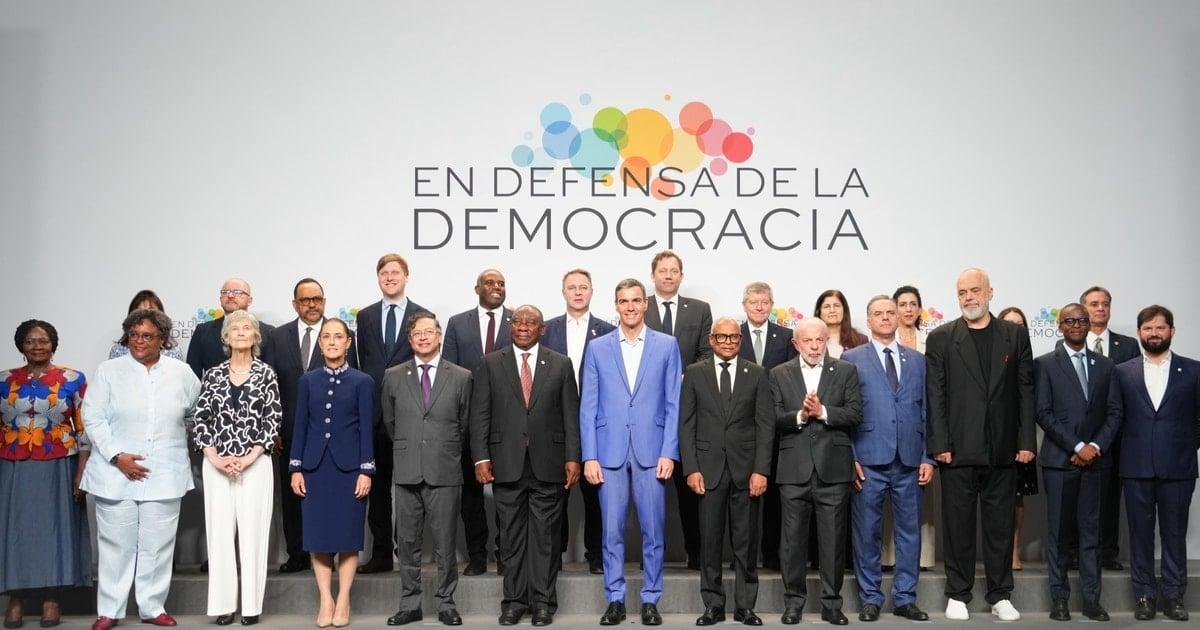
The joint statement was released as leftist leaders from across the globe met in Barcelona, with Mexico’s President Claudia Sheinbaum, Spain’s Prime Minister Pedro Sanchez and Brazil’s President Luiz Inacio Lula da Silva represented in the communiqué. DW similarly described the three governments as vowing to boost aid efforts for Cuba to ease a humanitarian crisis they said is the result of a US blockade, and said the statement also called for dialogue and urged against any military intervention.
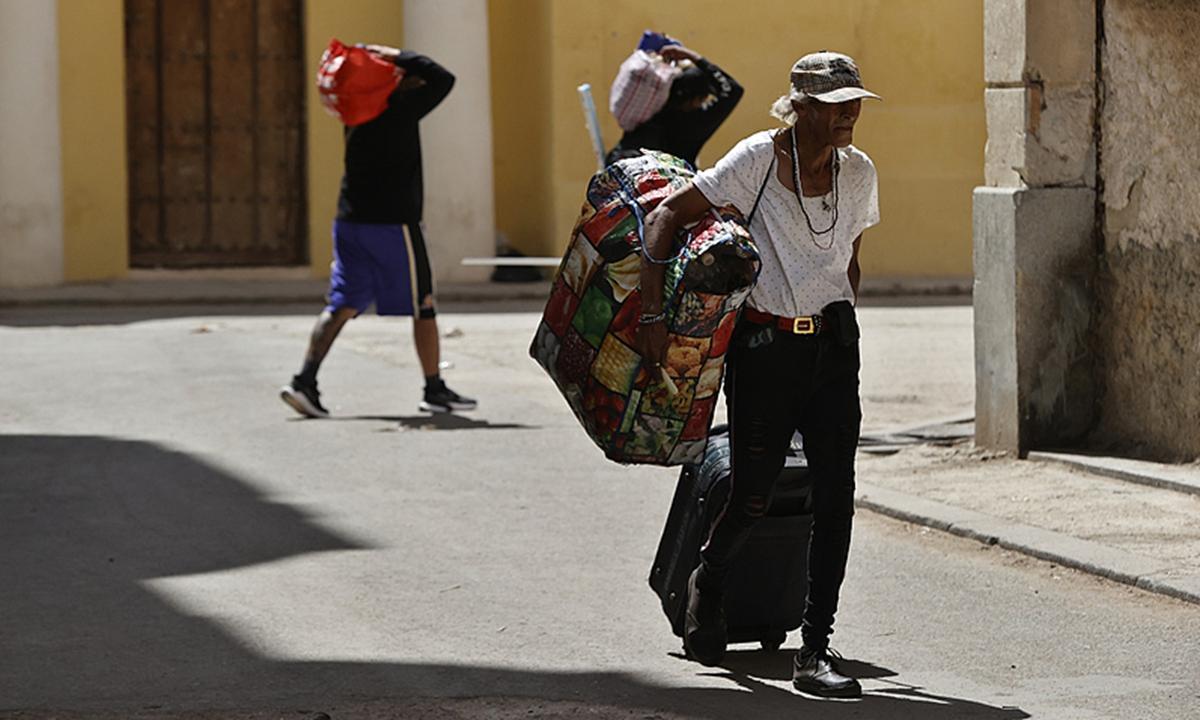
In parallel, CGTN reported that the three governments urged “taking the necessary measures to ease the situation” and pledged to “strengthen, in a coordinated manner, their humanitarian action” to alleviate suffering. The actions and language across outlets consistently tied the aid pledge to a demand that international law be respected and that Cuba’s future be decided by Cubans themselves.
Pressure Timeline and Trump Threats
The joint statement’s call for humanitarian action and sovereignty was set against a pressure campaign described by multiple outlets as escalating under US President Donald Trump. Al Jazeera says the US has imposed a trade embargo on Cuba since Cold War tensions emerged in the 1960s, but adds that the Trump administration “has ratcheted up pressure on the island’s communist government,” in an apparent attempt to prompt leadership change. It reports that “Since January, Trump has barred the import of oil from Venezuela,” and that he threatened other countries with sanctions if they deliver oil to Cuba, “leading to fuel shortages and energy blackouts.”
Al Jazeera also says Trump has floated the removal of Cuba’s President Miguel Diaz-Canel and that Trump suggested earlier this week the US could use military force against Cuba, saying, “We may stop by Cuba after we finish with this.” DW similarly states that Trump has repeatedly threatened to invade Cuba and has imposed an oil blockade on the Caribbean island, and it links the pressure to “massive nationwide blackouts as a result of the US blockade.”

The Guardian adds that Cuba has been bracing for a possible attack in light of repeated warnings from Trump that Cuba is “next” after he toppled Venezuela’s leader Nicolás Maduro and went to war against Iran. The Guardian also says Trump has imposed an oil blockade of Cuba, aggravating what it calls the island’s “worst economic and energy crisis in decades.”
Dialogue, Democracy, and Defiance
While the joint statement emphasized humanitarian relief and respect for international law, the sources also show how leaders framed the political stakes and the need for dialogue. The Guardian reports that Mexico, Spain and Brazil urged “sincere and respectful dialogue” and called for “the adoption of necessary measures to alleviate this situation,” without explicitly mentioning the US. It quotes the joint statement’s purpose as to “find a lasting solution to the current situation and to ensure that it is the Cuban people themselves who decide their own future in full freedom,” and it places the appeal during a summit of leftist leaders in Barcelona led by Spanish prime minister Pedro Sánchez.
Al Jazeera adds that the statement did not directly reference the US but called for respect for “territorial integrity, sovereign equality and peaceful settlement of disputes,” and insisted that any solution must “ensure that it is the Cuban people themselves who decide their future in full freedom.” In Cuba, Al Jazeera describes President Miguel Diaz-Canel as defiant during a gathering marking the 65th anniversary of Fidel Castro’s declaration on the socialist nature of the Cuban Revolution, and it quotes Diaz-Canel saying, “The moment is extremely challenging and calls upon us once again, as on April 16, 1961, to be ready to confront serious threats, including military aggression.”
Diaz-Canel continued, “We do not want it, but it is our duty to prepare to avoid it and, if it becomes inevitable, to defeat it.” DW also includes Sanchez’s remarks at the opening of the IV Meeting in Defense of Democracy, saying, “Democracy cannot be taken for granted,” and it quotes Sanchez denouncing attacks on multilateral systems and “the repeated attempts to undermine international law.”
European and Latin American Framing
The sources also diverge in how they frame the same diplomatic event, particularly around the role of the US and the broader political context. Al Jazeera presents the joint statement as a response to an “ongoing pressure campaign from United States President Donald Trump,” and it explicitly links the pressure to oil import restrictions, sanctions threats, and the possibility of leadership change, including Trump’s floated removal of Miguel Diaz-Canel. The Guardian, by contrast, says the trio voiced concern about Cuba’s “dramatic situation” and urged “sincere and respectful dialogue” “without explicitly mentioning the US,” while still describing Trump’s warnings that Cuba is “next” and the oil blockade that aggravates Cuba’s “worst economic and energy crisis in decades.”
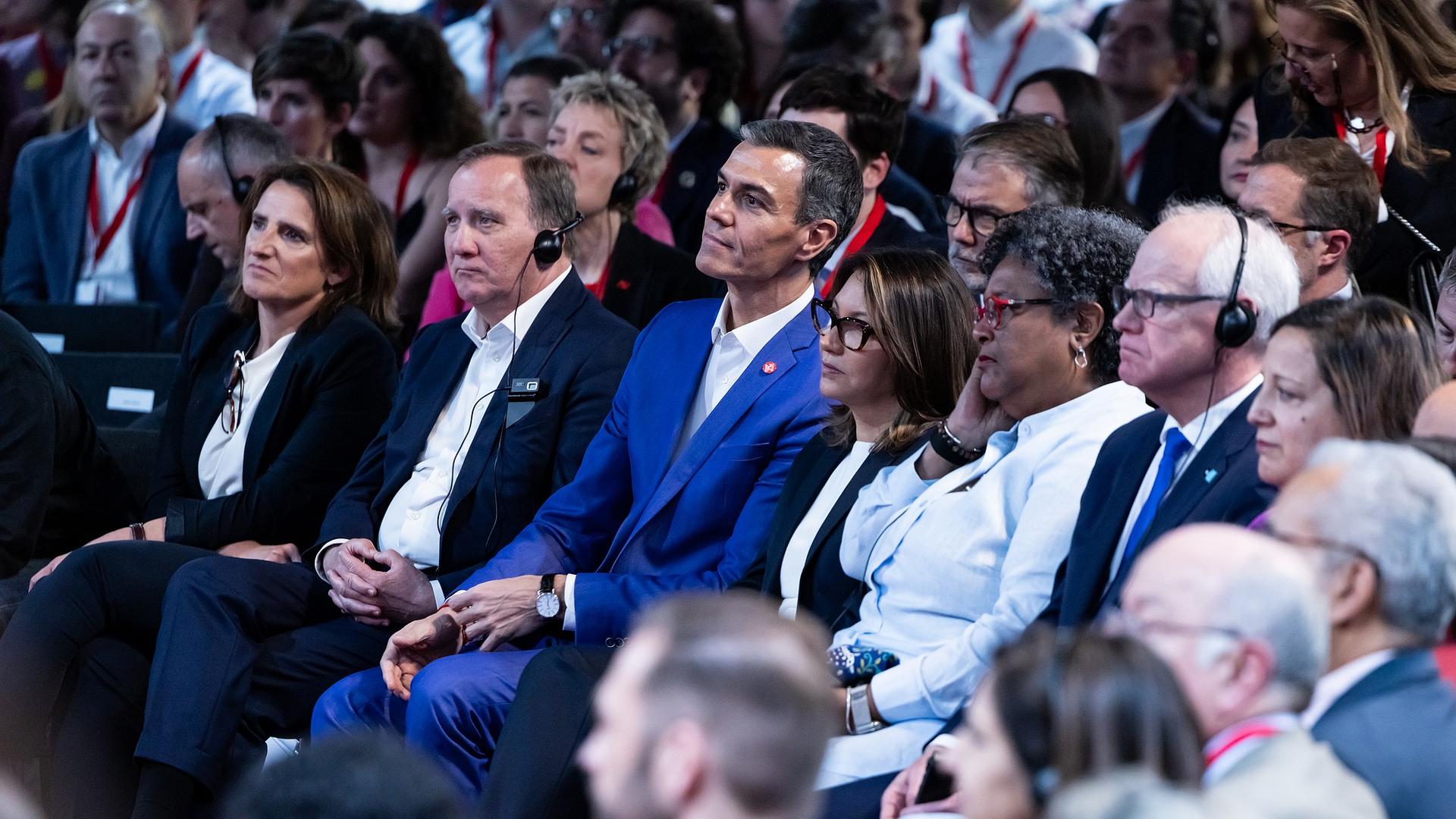
Firstpost similarly emphasizes that the joint statement urged US President Donald Trump to have a “sincere and respectful dialogue” with Cuba, while also describing the appeal as coming during a summit of leftist leaders in Barcelona led by Pedro Sánchez and attended by Claudia Sheinbaum and Luiz Inácio Lula da Silva. DW frames the same statement as part of a broader defense of multilateralism and democracy, describing the summit in Barcelona as “held to defend multilateralism and democracy in the face of the rising challenge from the far right,” and it includes Sanchez’s criticism of Trump’s attacks on global institutions like the United Nations and NATO.
The Global Times report adds a different angle, saying the statement came as US President Donald Trump indicated a shift from the war in Iran to Cuba, and it quotes a claim by Trump: “It’s called a new dawn for Cuba,” and “We’re going to help them out with Cuba.” It also says the Trump administration has blocked energy shipments to Cuba since January as part of a strategy to force Havana into submission, and it includes commentary from Wang Hanyi about the statement’s “symbolic significance” opposing hegemony.
Cuban Response and Next Steps
The diplomatic initiative also prompted a direct response from Cuba’s government, with the sources describing how Havana interpreted the joint statement and what it demanded in return. Europa Press reports that Cuba’s Foreign Minister Bruno Rodríguez expressed thanks to the governments of Spain, Brazil and Mexico for the joint statement issued on Saturday, in which they expressed concern about the humanitarian crisis and advocated for a solution based on international law. Europa Press quotes Rodríguez saying, “In the midst of the difficult situation facing Cuba due to the escalating U.S. blockade to extreme levels, the current energy siege, and the constant threats from the U.S. government, we recognize the dignified and solidarity Joint Communiqué issued by the governments of Brazil, Spain, and Mexico,” and it adds that he said the communiqué “expresses concern” and “calls for avoiding actions contrary to International Law that would worsen the living conditions of the Cuban people and urges respect for the territorial integrity of Cuba.”
Rodríguez also underscored the need to reinforce respect for international norms and stressed “the urgency of respecting the UN Charter and International Law,” while highlighting “the protection of the principles of self-determination, independence, and the sovereignty of peoples” and “the abstention from threats and the use of force.” Europa Press further says the Cuban foreign minister’s remarks came after Spain, Brazil and Mexico pledged to reinforce humanitarian aid in a coordinated manner and defended the need for “a ‘sincere and respectful’ dialogue.”

CGTN and CGTN Français both describe the joint statement’s call to avoid actions that worsen living conditions or violate international law and to strengthen coordinated humanitarian action, reinforcing that the next steps are framed as aid and dialogue rather than military escalation. DW adds that the joint statement urged against any military intervention in Cuba, aligning the diplomatic response with a demand to prevent force.