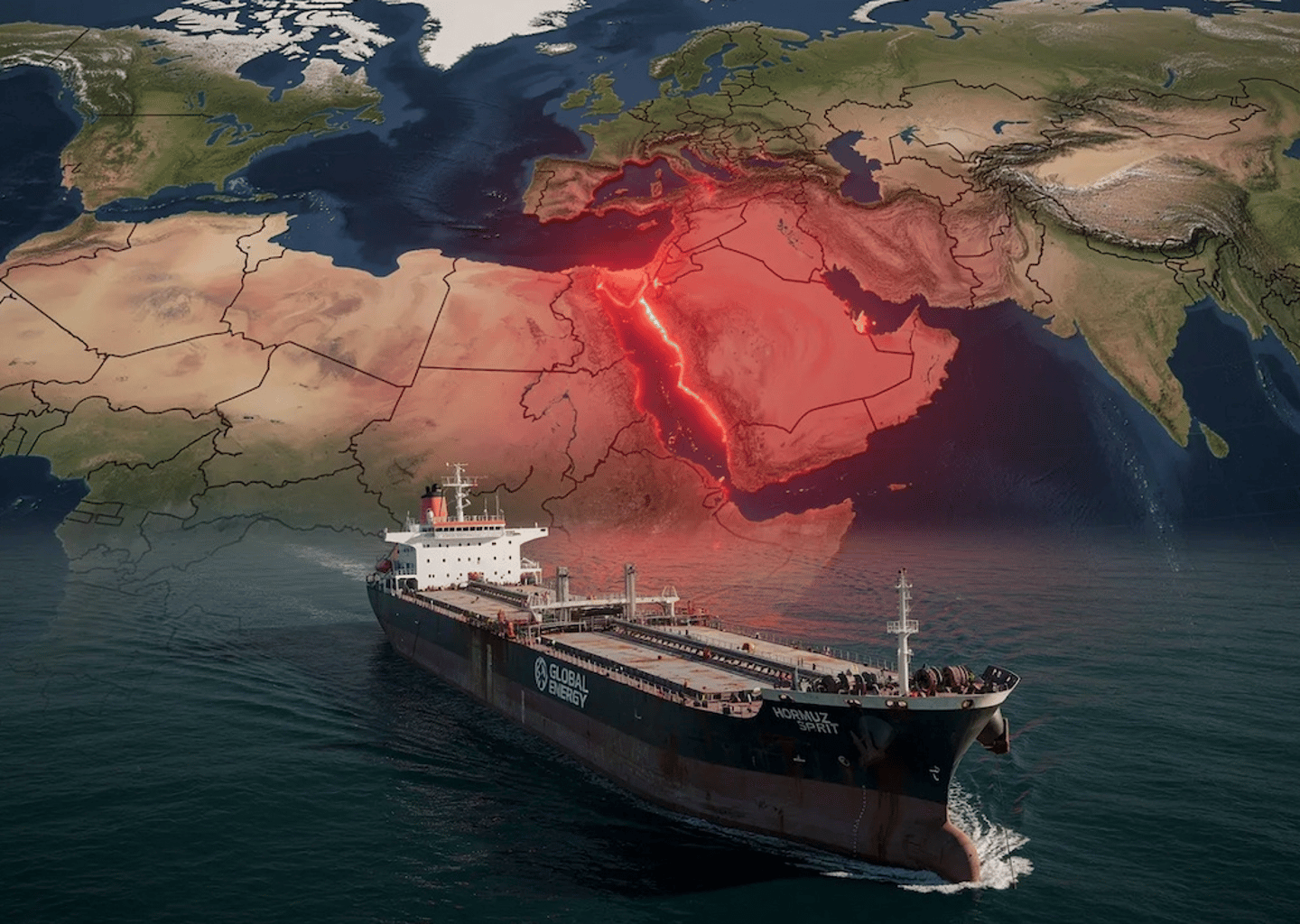
Middle East Conflict Forces Emergency Oil Measures, Pushing Global Energy Markets Into Turmoil
Key Takeaways
- Middle East conflict triggers emergency oil measures, disrupting global energy markets.
- Oil prices and stocks move as markets react to ongoing war developments.
- Global energy disruptions prompt Asia policy actions to stabilize fuel costs.
Supply Disruption
The escalating Middle East conflict has triggered unprecedented global energy market turmoil through severe disruptions to critical supply routes.
“Energy markets under pressure as Middle East conflict triggers emergency oil measures The ongoing conflict in the Middle East is continuing to send shockwaves through global energy markets, exposing the vulnerability of supply chains and highlighting the strategic importance of coordinated international responses”
Particularly the Strait of Hormuz handles approximately 20 million barrels of crude oil and petroleum products daily under normal conditions.
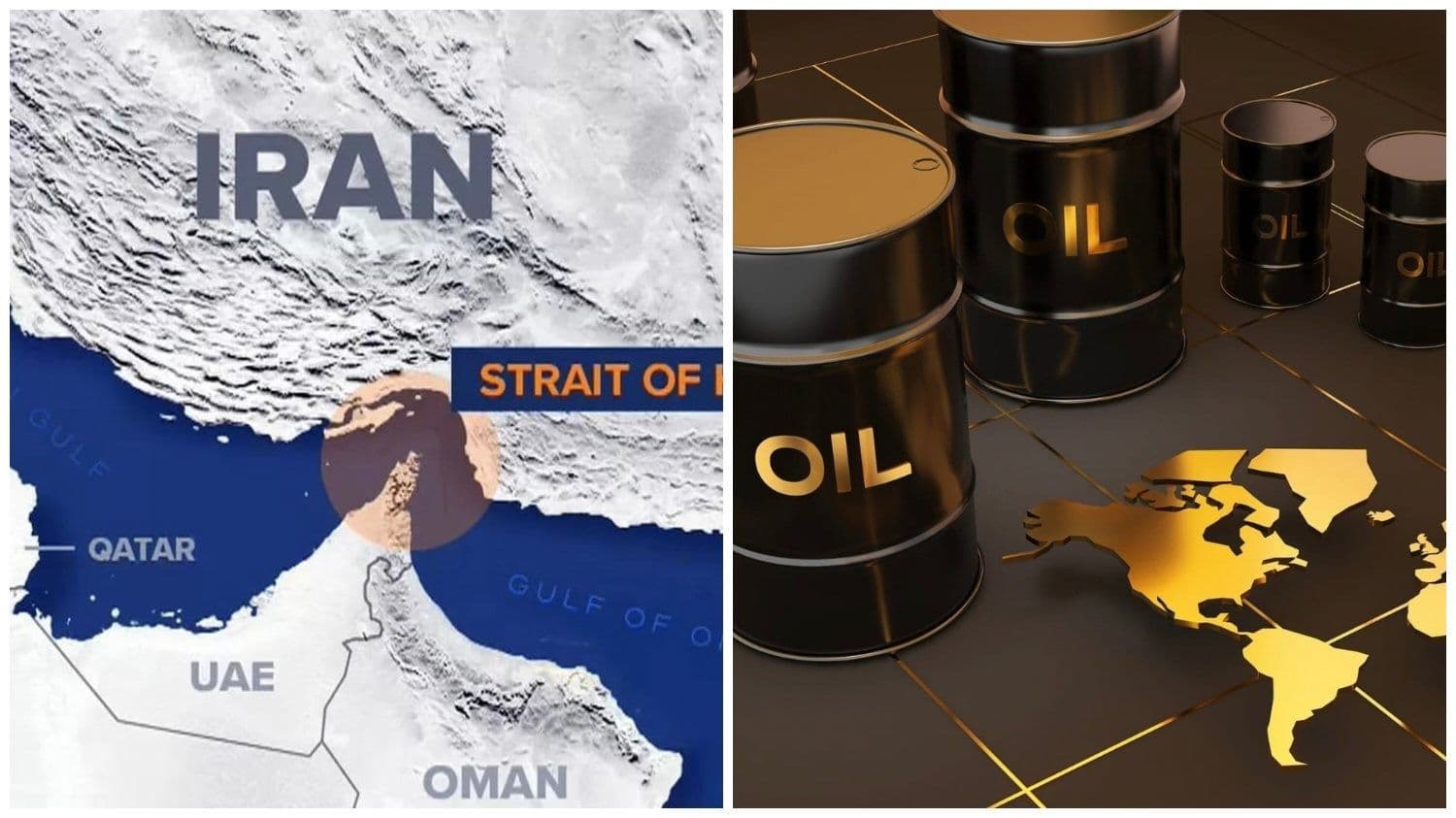
This vital maritime chokepoint accounts for roughly one-quarter of global seaborne oil trade.
Export volumes have plummeted to less than 10 percent of pre-conflict levels.
Energy operators across the region have been forced to suspend or dramatically reduce production.
Countries with limited domestic energy resources face immediate economic pressure and price volatility.
With few viable alternative transport routes available, the ongoing crisis represents one of the most significant supply shocks to global energy markets in recent history.
International Response
The International Energy Agency's 32 member countries unanimously agreed on March 11 to release 400 million barrels of oil from their emergency reserves.
This represents the agency's largest emergency response in its history.

The coordinated action follows an extraordinary meeting convened by Executive Director Fatih Birol.
IEA members collectively hold more than 1.2 billion barrels of government-controlled emergency oil stocks.
They also hold an additional 600 million barrels held by industry under government obligations.
Analysts caution that even this unprecedented release may struggle to fully offset the disruption if it continues.
The speed at which reserves reach buyers will determine effectiveness.
Regional Responses
Governments across Asia and beyond have implemented emergency measures to protect domestic economies from the energy crisis.
“Governments across Asia are rushing to conserve fuel, stabilize prices, and protect their economies as soaring oil costs and disruptions in the Strait of Hormuz trigger an energy shock with global implications”
Indonesia, Southeast Asia's largest economy, allocated roughly 381.3 trillion rupiah (about US$22.6 billion) for energy subsidies.
South Korean President Lee Jae Myung announced a price cap on petroleum products.
Japan is considering tapping into national oil reserves.
Industry Minister Ryosei Akazawa stated the government will take all possible measures to ensure stable supplies.
Bangladesh moved to conserve energy by bringing forward the Eid-al-Fitr holiday period.
Pakistan introduced a four-day workweek for government offices.
India suspended LPG shipments to commercial operators to prioritize household supplies.
Economists warn these measures could become increasingly expensive if oil prices remain elevated for prolonged periods.
Market Impact
The energy crisis is triggering significant market reactions with Asian economies particularly vulnerable due to their reliance on energy imports.
Equity markets across the region show substantial declines in Tokyo, Hong Kong, Shanghai, Singapore, Seoul, Wellington, Manila and Jakarta.
The dollar has strengthened against major rivals due to its safe-haven status.
Expectations that US interest rates will remain elevated longer than expected are creating additional economic pressure.
Investment professionals are warning that markets could face prolonged pain after years of strong equity markets.
Matt Weller, head of market research at City Index, states that 'the default assumption as long as the Strait of Hormuz remains functionally closed is that stocks will be under pressure, oil prices will trend higher, and interest rates will tick up in unison.'
This market uncertainty is complicating monetary policy decisions for central banks worldwide.
Geopolitical Tensions
Geopolitical tensions surrounding the energy crisis are intensifying as the United States temporarily allows the sale of Russian oil at sea.
“Oil price dips under US$100, stocks fall tracking Middle East war developments Analysts say the record 400 million barrels released from International Energy Agency stockpiles had little impact”
German Chancellor Friedrich Merz called the decision 'wrong', claiming it could help fund Moscow's war against Ukraine.
French President Emmanuel Macron stated that easing sanctions on Moscow was 'in no way' justified.
Moscow urged the United States to lift more sanctions on its oil exports, arguing it would help stabilize global energy markets.
The crisis has revealed maritime security challenges, with Iran better positioned to withstand prolonged disruption.
Ian Ralby, CEO of maritime security consultancy IR Consilium, warned that Iran has demonstrated an ability to adapt in the maritime domain.
Tehran employs unconventional tactics including small craft, drones, and other low-cost, high-impact methods.
These tactics could sustain threats against merchant vessels, complicating efforts to restore normal traffic.