Middle East Conflict Sends German Investor Morale to a Year Low
Key Takeaways
- ZEW economic sentiment dropped to -0.5 in March, the weakest since April 2025.
- German investor morale at a near-year low as Middle East tensions rattle European markets.
- Middle East conflict drives market turmoil, with energy prices threatening Germany's fragile recovery.
Investor Confidence Collapse
German investor sentiment has experienced a dramatic collapse, plummeting to its lowest level in nearly a year as the escalating Middle East conflict severely impacts European economic confidence.
“German investor morale has plunged to its lowest level in almost a year, with sentiment in the eurozone also deteriorating, as the Middle East conflict rattles European markets, according to the latest indicators from the Centre for European Economic Research”
The ZEW Indicator of Economic Sentiment, a key gauge of investor confidence in Europe's largest economy, fell from 58.3 points in February to -0.5 points in March, representing a catastrophic drop that far exceeded market expectations of 39 points.
This sharp decline reflects growing concerns about the economic fallout from the regional conflict, which has created significant uncertainty among financial market experts.
The deterioration in sentiment extends beyond Germany to the broader eurozone, indicating widespread apprehension about the economic consequences of the Middle East turmoil.
The speed and magnitude of this deterioration have economists warning about the potential derailment of Germany's fragile economic recovery.
Sentiment Indicator Analysis
The economic sentiment indicator's dramatic fall represents one of the most significant drops since the early stages of the Ukraine war, underscoring the severity of the current economic challenges facing Germany.
Analysts polled by Reuters had expected the reading to fall to 39.0 points from February's 58.3, but the actual -0.5 reading revealed much deeper pessimism among investors.
ZEW President Professor Achim Wambach characterized the situation as a collapse of the ZEW Indicator, highlighting how the escalation in the Middle East is driving up energy prices and increasing inflationary pressure.
This heightened risk environment threatens to stall Germany's nascent economic recovery that had shown promise at the beginning of the year.
The survey, conducted between March 9 and March 16, captured investor sentiment during a critical period when the full economic impact of the Middle East conflict was becoming apparent.
Energy Sector Vulnerabilities
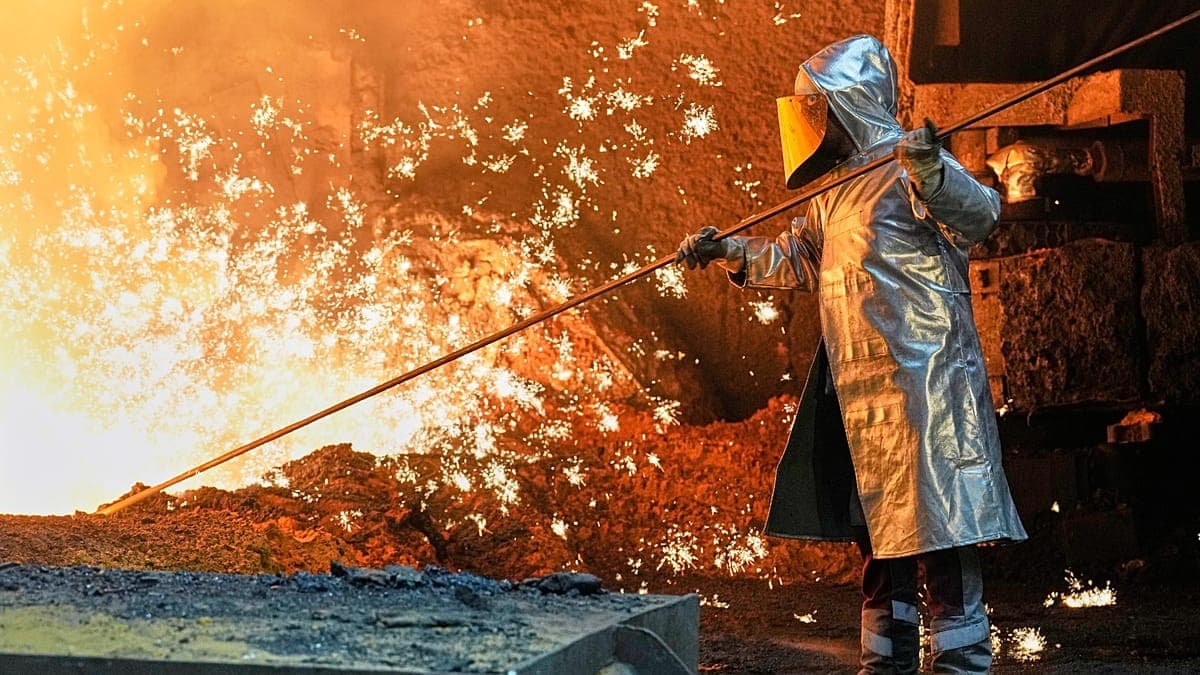
Energy-intensive industries in Germany are facing particularly severe challenges as soaring energy costs threaten to undermine economic stability.
“German investor sentiment deteriorated significantly in March, according to a survey released on Tuesday by theZEW Center for European Economic Researchin Mannheim”
The main concerns centre on sectors including steel, cement, and chemicals, which are highly vulnerable to fluctuations in energy prices.
ZEW experts note that the extent of these effects depends on the duration and intensity of the Middle East conflict, with financial market experts expressing skepticism about a swift resolution.
The closure of the Strait of Hormuz by Iran to vessels from countries it considers allied with the United States and Israel has created significant supply chain disruptions.
This vital shipping route typically carries around a fifth of global oil and gas trade, making its closure particularly damaging to global energy markets.
This disruption has caused oil and natural gas prices to surge dramatically since the end of February when the United States and Israel attacked Iran, killing its supreme leader and plunging the region into deeper conflict.
Inflationary Pressures
The economic fallout from the Middle East conflict is expected to persist, with significant inflationary pressures continuing to impact both Germany and the broader eurozone economy.
Approximately 80% of survey respondents expect inflationary pressure to remain elevated, suggesting that the economic consequences of the conflict will extend beyond the immediate crisis period.
Economic analysts are warning that Germany has transformed from a source of economic hope back into a cause for concern, with the fiscal package and fuller order books now taking a back seat to geopolitical instability concerns.
Alexander Krueger, chief economist at Hauck Aufhaeuser Lampe, noted that investor sentiment hinges on the question of when oil and gas supplies will once again be delivered without risk.
The ongoing conflict has already resulted in major financial institutions revising their economic forecasts downward, reflecting the growing pessimism about economic prospects.
Economic Forecast Revisions
Major financial institutions are rapidly downgrading their economic forecasts for Germany as the full impact of the Middle East conflict becomes clearer.
“German investor morale has plunged to its lowest level in almost a year, with sentiment in the eurozone also deteriorating, as the Middle East conflict rattles European markets, according to the latest indicators from the Centre for European Economic Research”
Deutsche Bank has cut its 2026 growth forecast to 1.0% from 1.5% in December, reflecting the deteriorating economic outlook.
While some economists maintain a cautiously optimistic stance, with Marc Schattenberg of Deutsche Bank Research stating they do not expect the recovery of the German economy to come to a complete standstill, the overall trend is toward more conservative projections.
Ulrich Wortberg, economist at Helaba, observed that the war has been leaving deep scars on the economy after more than two weeks of conflict, suggesting the damage may be more sustained than initially anticipated.
Looking ahead, experts like Ankita Amajuri, Europe economist at Pantheon Macroeconomics, warn that the surge in energy prices resulting from the ongoing conflict will continue to weigh on sentiment for the foreseeable future.