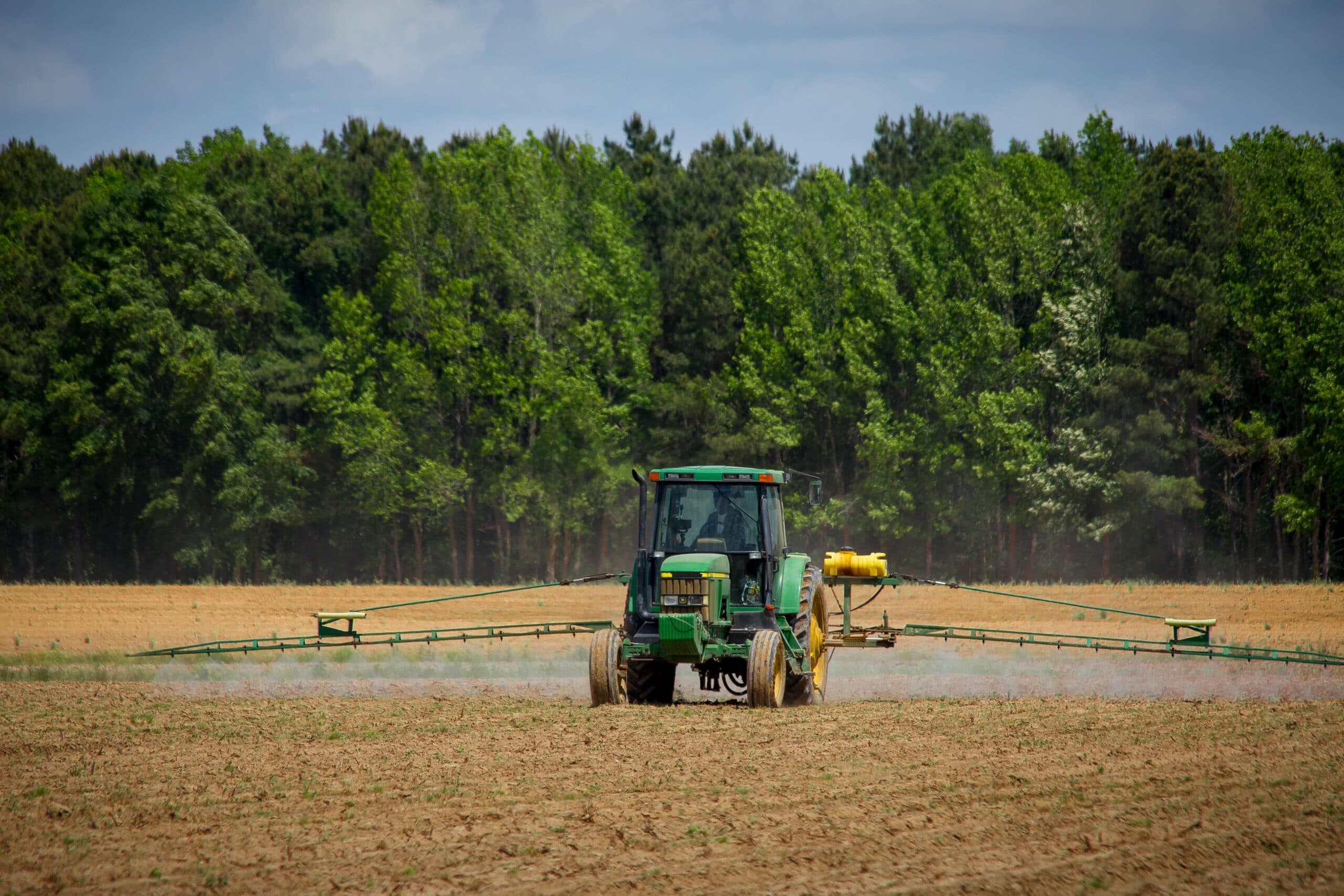
Middle East war is another wake-up call for fossil fuel-reliant food systems
Key Takeaways
- U.S. and Israel bombard oil depots and civilian infrastructure in the Middle East war.
- Toxic clouds loom over Tehran and Beirut linked to the bombardments.
- The article frames the conflict as a wake-up call for fossil-fuel-reliant food systems.
War disrupts fertilizer supply
As toxic clouds loom over Tehran and Beirut from the US and Israel’s bombardment of oil depots and civilian infrastructure in the region’s ongoing war, the world is witnessing the connections between conflict, hunger, food insecurity and the vulnerability of global food systems that rely on fossil fuels.
“Lena Luig is the head of the International Agricultural Policy Division at theHeinrich BöllFoundation, a member of the Global Alliance for the Future of Food”
The Strait of Hormuz remains a critical trade route for nearly half of the global supply of urea, the main synthetic fertilizer derived from natural gas, and disruptions here threaten fertilizer availability.
With Iran’s blockades impacting the Strait, urea prices have shot up by 35% since the war started, just as planting season begins, risking higher production costs and food price spikes for farmers and consumers.
The World Food Programme projects that an extra 45 million people could be pushed into acute hunger if the conflict continues until June.
Fossil fuel–food nexus
At the Global Alliance for the Future of Food, Lena Luig, head of the International Agricultural Policy Division at the Heinrich Böll Foundation, and Anna Lappé, Executive Director of the Global Alliance for the Future of Food, frame the fossil fuel–food nexus and describe how roughly 15% of annual fossil fuel use goes into food systems, driven by inputs like pesticides and synthetic fertilizer.
The alliance notes the fragility of food systems propped up by fossil fuels and advocates policy frameworks to reduce synthetic fertilizer and pesticide use while subsidizing organic fertilizers and bio-inputs to advance agroecology that prioritizes livelihoods, health, climate, and biodiversity.
Examples include G-BIACK in Kenya training farmers to produce compost, Evola Company in Cambodia producing organic fertilizer and protein-rich animal feed with black soldier fly farming, and Sabon Sakein in Ghana turning sugarcane bagasse into vermicompost.
At the African Union fertilizer and Soil Health Summit in 2024, African leaders agreed that organic fertilizers should be subsidized as well, not only mineral fertilizers.
In 2024, the Global Alliance organized dozens of philanthropies to call for a tenfold increase in investments to help farmers transition from fossil fuel dependency toward agroecological approaches that prioritize livelihoods, health, climate, and biodiversity.
They detail a shift from subsidies for synthetic fertilizer and pesticides toward locally sourced bio-inputs and biofertilizer production, with evidence of benefits such as stable incomes, better health, and climate outcomes.
They also warn against accepting industry spin that green hydrogen or green ammonia can produce fertilizer without heavy fossil energy, which they deem viable only in limited cases.
As we mourn the conflict’s destruction, including hundreds of children, we recognize that peace cannot mean a return to business-as-usual and that transforming food systems is essential to justice.
Global policy momentum
Learning lessons from the war in Ukraine, many countries invested heavily in renewable energy and/or increased domestic oil production as a way to decrease dependency on foreign fossil fuels, but few took the same approach to reimagining domestic food systems and their food sovereignty.
“Lena Luig is the head of the International Agricultural Policy Division at theHeinrich BöllFoundation, a member of the Global Alliance for the Future of Food”
Russia’s invasion of Ukraine in 2022 sparked global disruptions in fertilizer supply and food price volatility.
As the conflict worsened, fertilizer prices spiked—driven by both speculation and real cost increases from production and transport—triggering a global food price crisis.
Since then, fertilizer industry profit margins have continued to soar; in 2022, the largest nine fertilizer producers increased their profit margins by more than 35% compared to the year before.
A new summit in Colombia seeks to revive stalled UN talks on fossil fuel transition.
This context underscores the need to reframe policy toward agroecology and reduced fertilizer dependence to strengthen resilience.
Moral framing and action
As we mourn this conflict’s senseless destruction and death, including hundreds of children, we also recognize that peace cannot mean a return to business-as-usual.
We must upend the systems that allow the richest and most powerful to have dominion over so much.
We need to fight for a food system based on genuine sovereignty and justice, free from dependency on fossil fuels, one that honors natural systems and puts power into the hands of communities and food producers themselves.
This unprecedented reporting provides experts and professionals globally with the analysis and insight they need to navigate the most important climate issues.
Trusted by the UN, World Bank, and governments around the world, sign up today and see why our award-winning coverage has been considered the authority for almost 15 years.
A few top stories each week alongside our Climate Weekly newsletter.
More on Gaza Genocide

Trump Administration Sues Harvard University Over Civil Rights Violations Against Jewish and Israeli Students
50 sources compared

Protesters heckle Australian PM Albanese at Sydney mosque over Israel stance
18 sources compared

Iran Fires Missiles at Israel, Killing Three Palestinian Women and a Foreign Worker
23 sources compared

UEFA Cancels Finalissima as Argentina Rejects Alternatives Amid Middle East War
11 sources compared