
Middle East War Sends Oil Above $100, Sparks Global Gas Spike, Threatens 20% Of Supply
Key Takeaways
- Oil prices surged above $100 per barrel, approaching $120 amid Middle East conflict
- Conflict threatens about 20% of world oil supply by endangering Middle East production and routes
- Rising oil and diesel prices are driving gas spikes and increasing global inflationary pressure
Price surge and exposure
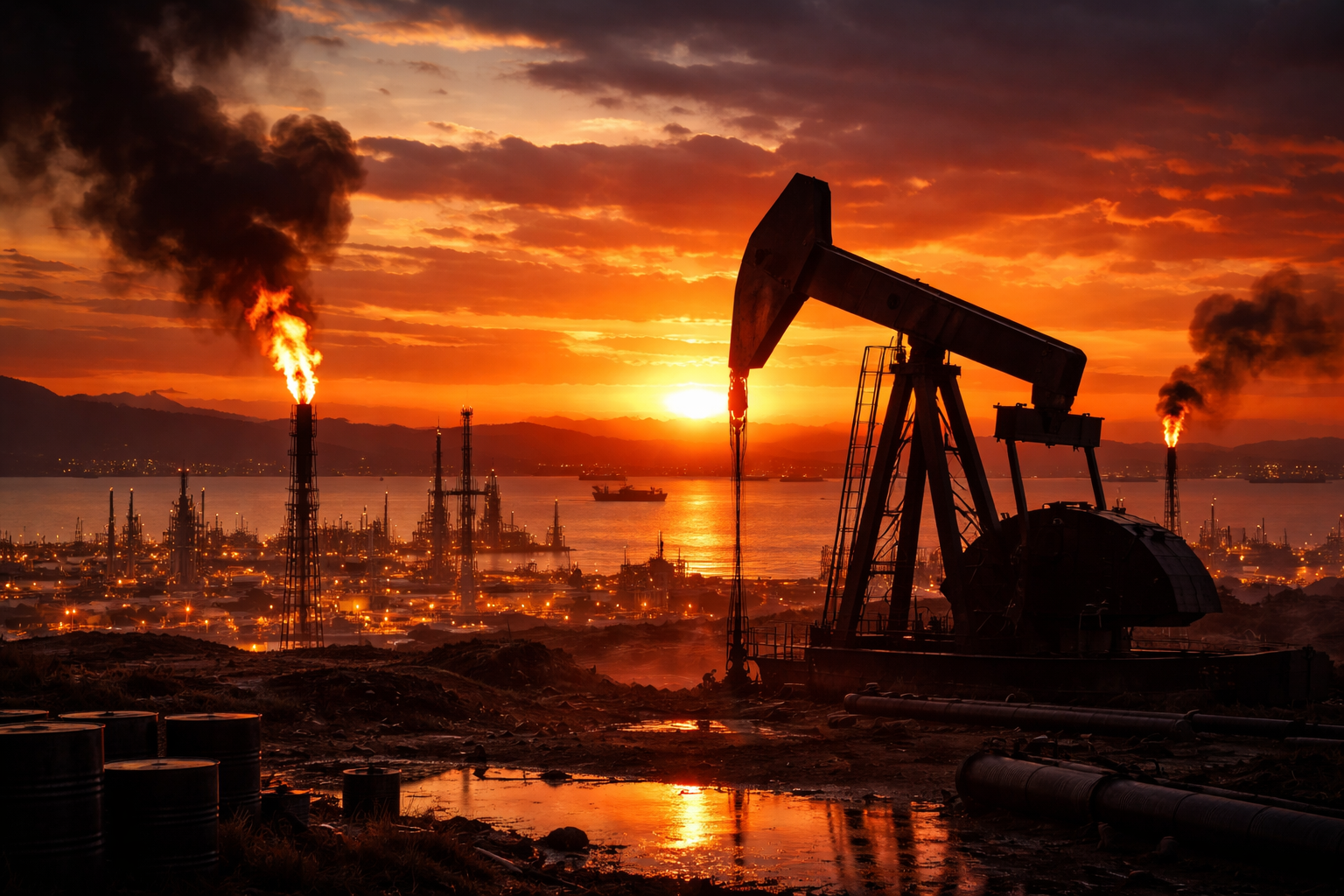
The Middle East war has pushed crude prices above $100 a barrel and briefly spiked spot prices to about $110 as markets reacted to disruptions in a key transit route, raising fears that up to roughly a fifth of global oil supplies could be at risk.
“Pain at the Pump Can Spread to Broader Inflation Drivers often feel the earliest impact of surging oil prices because gasoline prices follow oil upward almost immediately, boosting headline inflation”
International Business Times UK reported that “Sunday evening saw a sharp spike in oil prices as the market opened, with prices briefly rising to $110 (£82.71) as investors weighed the growing impact of regional hostilities on global fuel reserves,” and noted that “Brent, the global oil benchmark, hit a price not seen in nearly 4 years, climbing past $100 (£75.19).”
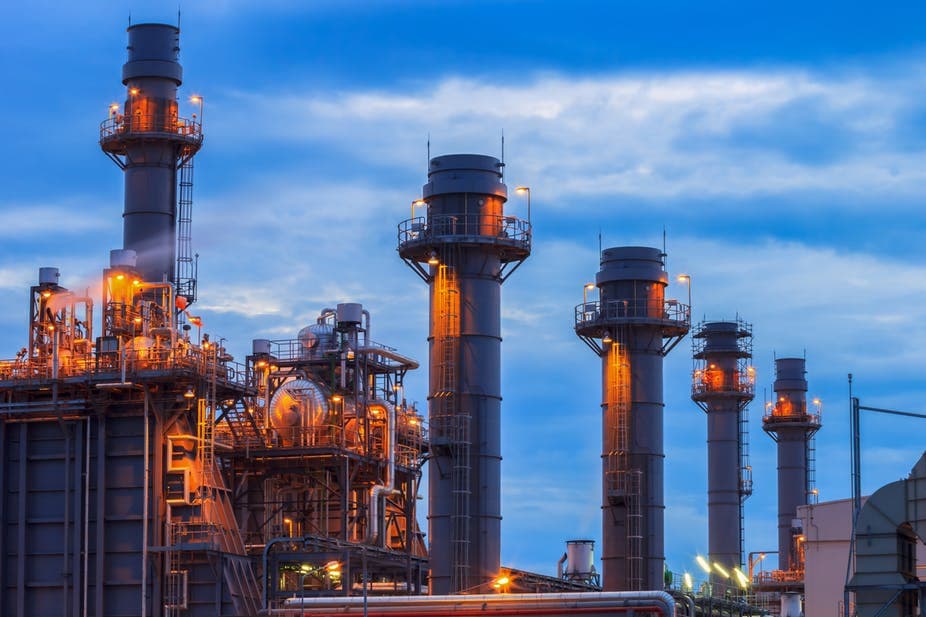
Multiple outlets linked that surge to a shutdown of traffic through the Strait of Hormuz: EconoTimes described the strait as “a critical corridor handling between 10% and 20% of global seaborne diesel,” while the Manila Standard put the figure at “About 16 percent to 20 percent of global petroleum consumption” transiting the waterway.
Together, these reports underpin the market anxiety driving the price spike.
Market reaction and risks
Financial markets responded quickly: US equity futures fell and traders priced in higher risk from interrupted energy flows, even as some analysts cautioned markets had not collapsed.
International Business Times UK said “The S&P 500, Nasdaq Composite, and Dow Jones Industrial Average all saw their respective futures slip by approximately 1.5 percent,” while AllianceBernstein observed that “So far, financial markets have been volatile but largely well-behaved; there’s been no collapse in either equity or fixed-income markets.”
Analysts and commentators warned that the size and duration of the disruption determine whether headline volatility becomes a prolonged economic problem, with AllianceBernstein warning that “Stagflation is a nasty mix” if higher inflation coincides with slower growth and noting that if the fighting ends quickly there may be “little reason for investors to expect a lasting market impact.”
EconoTimes quantified the supply shock backdrop, citing Philip Verleger’s estimate that disruptions were “removing roughly 3 to 4 million barrels per day from circulation, representing up to 12% of total global consumption,” a magnitude driving the market reaction.
Bottlenecks and production cuts
Logistical bottlenecks and producer responses are compounding strain: shipping through the Strait of Hormuz has been described as effectively shut for more than a week, creating backlogs and prompting some OPEC producers to pare output amid an export logjam.
“Oil Prices Surge Amid Middle East Turmoil Oil prices soared to near $120 per barrel as the Iran war intensified, disrupting production and shipping in the Middle East”
International Business Times UK said “For over a week, the Strait of Hormuz—a vital passage off the southern coast of Iran—has remained effectively shut, cutting off regional exports from reaching the global market,” and also reported that “Iraq, Kuwait, and the United Arab Emirates—three of OPEC's top producers—have been forced to scale back their output.”
EconoTimes emphasised the corridor’s importance for diesel and crude, while AllianceBernstein noted that major buyers such as China “has accumulated an oil stockpile that should enable it to manage the supply disruption for the time being,” highlighting uneven national buffers against the shock.
Consumer and country impact
The shock is already filtering to consumers and vulnerable economies: US retail fuel prices have risen sharply and state-level budgets and households are feeling the squeeze, while rating agencies warn emerging markets face elevated credit risks if the disruption persists.
International Business Times UK reported that “Since the conflict began, the cost of a gallon of regular fuel in the United States has jumped by approximately 16 percent, reaching a national average of $3.45 (£2.59), AAA data shows.”
The Seattle Times noted local pain—“the average price for a gallon of regular gas $4.69 Tuesday, up 16% from last month”—and described how lawmakers are grappling with budget forecasts amid global volatility.
Manila Standard relayed Fitch’s warning that the conflict “could expose the Philippine economy to new credit risks” and cited a local economist saying higher prices “keeps inflation sticky, pressures the peso, and squeezes household spending—especially on transport, food, and electricity.”
US officials have publicly downplayed the long-term damage, with Energy Secretary Chris Wright telling CNN: “You're seeing a little bit of fear premium in the marketplace, but the world is not short of oil today or natural gas.”
Outlook and uncertainty
Outlook remains highly conditional: several analysts and institutions said the economic fallout hinges on how long disruptions last and whether key routes reopen.
“The global economy is bracing for a significant shock as crude costs soar to triple digits”
AllianceBernstein stressed that “if the hostilities wrap up in relatively short order, we see little reason for investors to expect a lasting market impact,” but added the caveat that “if things drag out, the situation—and our assessment of the impact—could change.”
EconoTimes warned the situation “could worsen significantly if key shipping routes remain disrupted,” and Manila Standard echoed sovereign-vulnerability concerns, noting that higher import costs are “most direct” and could be acute for countries with weak financing positions.
The mix of immediate price pain, uneven national buffers and uncertain geopolitical trajectories leaves markets and policymakers watching for either a rapid normalization or a drawn-out supply shock.