Technology and Science04 April, 20261 min read
Mikko Hyppönen Shifts From Malware to Drone Defense with SensoFusion
This article is an automated aggregation of coverage from news outlets. Our editorials offer in-depth analysis curated by the NewsCord team.
Hyppönen pivoted from malware to leading drone-defense efforts against modern aerial threats. Leading a new drone-defense wave amid Ukraine war threats and European pressure.

Iconic Cybersecurity Figure
Mikko Hyppönen made a dramatic career pivot in 2025, shifting from malware to drone defense. He assumed the role of Director of Research at SensoFusion, a Helsinki-based anti-drone company.
The move comes amid heightened geopolitical tension and the lethal role of drones demonstrated in Ukraine. Hyppönen described the shift as moving from defending against software to protecting real-world spaces.
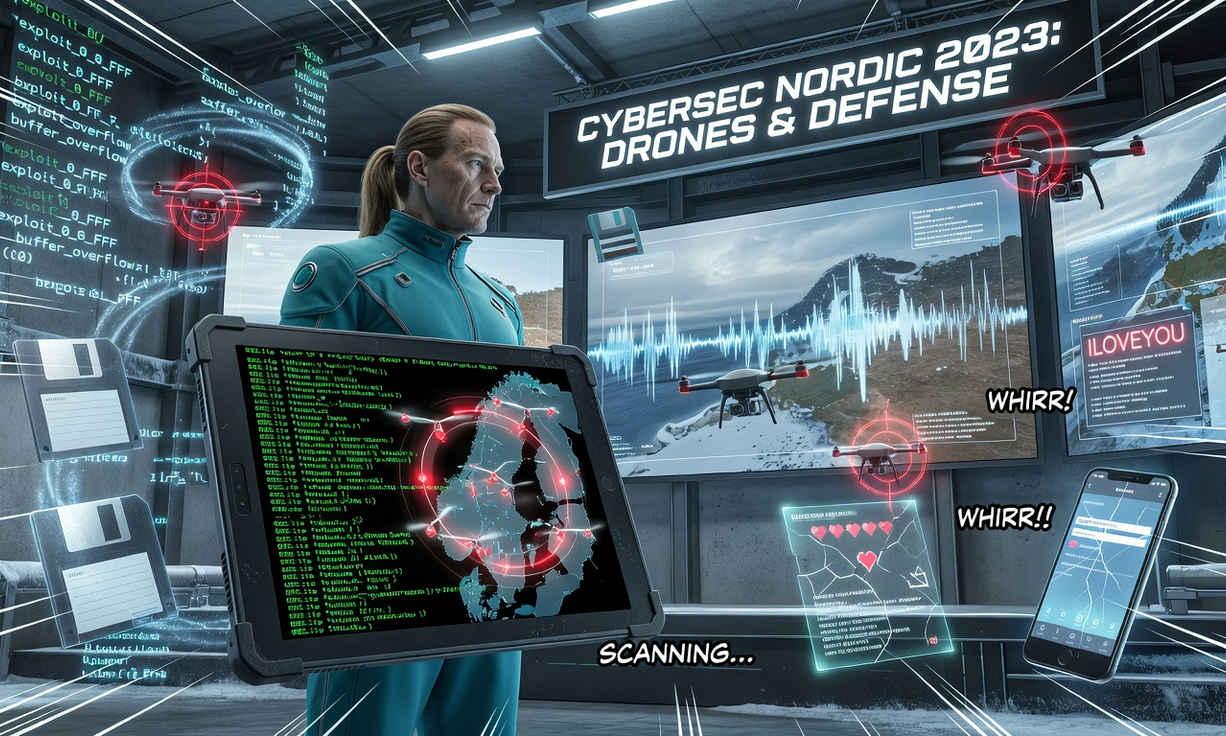
From Malware to Physical Threats
Hyppönen's career began in the 1980s when malware spread via floppy disks. The threat landscape evolved to ransomware and state-sponsored espionage. Hyppönen sees parallels between cybersecurity and drone defense.
The shift is from intangible code to physical hardware that can cause real harm. The anti-drone market is projected to surge over 19% annually.

Strategic Implications
Defenders must adapt beyond software into the physical realm. Drone defense protects civilian infrastructure and cultural heritage.
Finland's proximity to Russia makes the threat immediate. Hyppönen's pivot underscores a broader evolution in security thinking.