Technology and Science21 April, 20269 min read
Moderna Begins Phase 3 H5N1 Bird Flu Vaccine Trial in UK and United States
This article is an automated aggregation of coverage from news outlets. Our editorials offer in-depth analysis curated by the NewsCord team.
Moderna's H5N1 vaccine is in Phase III trial in the UK and US. Participants recruited in both the UK and United States.

Trial begins in UK and US
A Phase 3 trial of Moderna’s mRNA bird flu vaccine candidate against H5N1 has begun in the UK and the United States, with the first volunteers in the UK immunised to protect against a potential bird flu pandemic. The BBC reported that the vaccine targets the H5N1 flu strain and that “The vaccine uses the same mRNA technology used in current Covid jabs,” positioning it as a platform that can be created quickly and at scale if a pandemic emerges. The trial is designed to recruit people who work in the poultry industry or are over the age of 65, and the BBC identified Clare Howard, from Hampshire, as one of the first volunteers to receive the vaccine at a clinic in Southampton.
CEPI’s account of the trial places Clare Howard at a health hub clinic in Southampton as a nurse prepares her trial vaccination, and she said, “It’s nice to think I’m doing something good,” adding, “Something that will benefit society.” The trial is described across outlets as involving about 4,000 volunteers, with the BBC saying “The large-scale trial will involve 4,000 volunteers” and that “three-quarters” are recruited at 26 sites in England and Scotland, with the rest in the United States.

The Independent similarly said the Phase 3 study aims to enrol “Approximately 4,000 individuals, including 3,000 in the UK,” and the Daily Express framed it as “a clinical trial of 4,000 people, including 3,000 from the UK and 1,000 from the USA.” Dr Rebecca Clark, the trial’s national coordinating investigator based at Layton Medical Centre, Blackpool, told the BBC that the strain was “evolving and spreading across animal species,” and she said in CEPI’s report, “we have to treat human-to-human transmission as a real possibility.”
Why H5N1 and why now
The trial is framed as a proactive response to the way H5N1 is circulating and evolving across animals, with the BBC saying the threat to humans is currently low and that “almost all human cases linked to close contact with infected animals.” The BBC also reported that there have been 116 confirmed human cases around the world since 2024, and CEPI’s account echoed that figure, saying there have been “116 confirmed human cases of H5 bird flu across the world just since 2024.” CEPI described the vaccine candidate as targeting the A(H5N1) strain and identified it as “mRNA-1018,” while the BBC said the vaccine targets the H5N1 flu strain and that scientists say mRNA enables rapid creation and scaling.
Dr Rebecca Clark’s warnings about transmission risk are repeated across outlets: the BBC said she told reporters, “we have to treat human-to-human transmission as a real possibility,” and CEPI quoted her saying, “This trial is our proactive attempt to shield against that possibility, and any future pandemic that could emerge from it.” The Daily Express similarly said the virus “does not easily spread to humans and transmission among people is rare,” but it also quoted Dr Rebecca Clark saying, “We have to treat human-to-human transmission as a real possibility.” The Mirror and New Scientist both connect the trial to concerns about viral evolution and mutation, with the Mirror describing a “dangerous clade, called 2.3.4.4b,” and New Scientist naming the main threat as “a strain of H5N1 bird flu called clade 2.3.4.4b.”
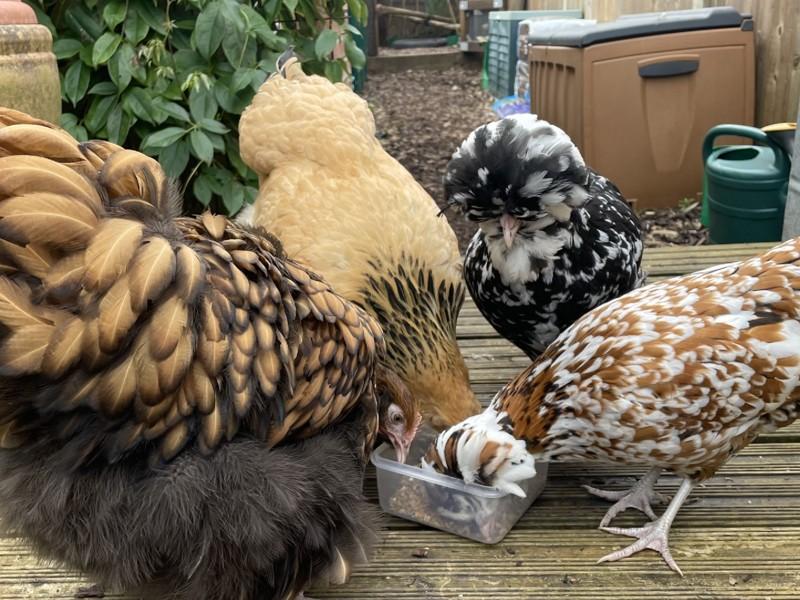
New Scientist added that there is “no evidence of the virus spreading from person to person,” while still stressing that “as long as H5N1 bird flu keeps circulating, the risk will remain.” The Telegraph’s report also placed the trial in a broader preparedness context, saying the study will run across “26 clinics in England and Scotland” and that “At least half of the recruits will be over the age of 65,” with organisers saying they would be given first priority if H5N1 starts to spread human to human.
Funding, manufacturing, and access
The trial’s launch is tied to funding and manufacturing plans described in the sources, including CEPI’s role after US funding cuts and Moderna’s capacity for rapid scale-up. The BBC reported that CEPI “provided £40m of funding for the trial,” and it also described a US funding cut in August 2025, saying the US government cut “$500m of funding for mRNA vaccines in August 2025” after Robert F Kennedy Jr said, “mRNA technology poses more risks than benefits” for respiratory viruses. CEPI’s report described “up to $54.3 million in funding from CEPI” to help advance the vaccine to licensure and enable “global equitable access,” and it quoted CEPI’s CEO Dr Richard Hatchett saying, “If successful, these efforts could transform our ability to respond swiftly and equitably to one of the world’s most enduring threats.”
The BBC also said that if the vaccine is needed, it would be manufactured at Moderna’s new plant at Harwell in Oxfordshire, which “currently produces Covid vaccines for the UK,” and it stated that the plant “can produce 100 million doses of vaccine per year,” with the possibility of increasing to “250 million doses” in a pandemic. CEPI’s account added a specific allocation commitment, saying Moderna has pledged that “20 percent of its H5 pandemic vaccine manufacturing capacity will be allocated for timely supply to low- and middle income countries at affordable price levels.” The Daily Express said the trial is supported by the National Institute for Health and Care Research (NIHR) and sponsored by Moderna as part of its partnership with the UK government, while the BBC said the trial is hoping to recruit people in the poultry industry or over 65 and that the study will examine whether the vaccine is safe and can generate a strong immune response.
The BBC also described the “traditional method” of creating flu vaccines by growing the virus in eggs and said this can be a problem when virulent avian flu strains can kill the eggs used during manufacturing. In contrast, the BBC argued that mRNA vaccines can be produced and altered rapidly as strains evolve, and it said the trial is “our proactive attempt to shield against that possibility” and “any future pandemic that could emerge from it.”
Voices: officials, scientists, and volunteers
The trial’s messaging is carried by a mix of volunteer testimony, government and agency officials, and trial leadership, with multiple outlets quoting the same key figures. Clare Howard, described by the BBC as from Hampshire and by CEPI as a physiotherapist with a hobby flock of four chickens, said at her Southampton appointment, “It was quite easy and it could be something that ultimately proves incredibly important,” and CEPI recorded her saying, “It’s nice to think I’m doing something good,” and “Something that will benefit society.” Dr Rebecca Clark, based at Layton Medical Centre, Blackpool, told the BBC that the strain was “evolving and spreading across animal species,” and she said in CEPI’s report, “This trial is our proactive attempt to shield against that possibility, and any future pandemic that could emerge from it.”
The BBC also quoted Professor Lucy Chappell, chief scientific adviser at the Department of Health and Social Care and chief executive officer of the National Institute for Health and Care Research, saying the trial was “bolstering our pandemic resilience.” The Daily Express added a statement from Dr Richard Pebody, director of epidemic and emerging infections at the UK Health Security Agency, saying, “UKHSA remains alert to the potential that this pathogen could adapt to spread from person to person, and will continue to monitor all available data.” The Mirror included a quote from Dr Pebody that “We clearly don't know when the next pandemic is going to be… but what we do know is that the flu pandemic is the most likely future pandemic,” and it also quoted him again on the need to ensure preparedness.

The Telegraph quoted Darius Hughes, UK General Manager at Moderna, saying, “By advancing research on an investigational mRNA vaccine against pandemic influenza and supporting rapid clinical trial delivery in the UK, we are helping build the evidence, experience and readiness that can inform future responses to emerging public health threats.” CEPI’s report also included a quote from Dr Richard Hatchett, CEPI’s CEO, saying, “If successful, these efforts could transform our ability to respond swiftly and equitably to one of the world’s most enduring threats,” and it quoted Clare Howard reflecting on preparedness with, “With COVID, we didn’t have the time to prepare, so it’s great to be able to do something now that will contribute to protecting society.”
Different framings of the same plan
While the core facts of the trial—mRNA-1018 against A(H5N1), recruitment of about 4,000 volunteers, and the emphasis on preparedness—are consistent, the outlets frame the story differently, from mainstream public-health resilience to tabloid urgency and technical preparedness comparisons. The BBC foregrounded the UK start and the rationale that “The vaccine uses the same mRNA technology used in current Covid jabs,” and it described the trial as “bolstering our pandemic resilience,” while also detailing the funding context including CEPI’s “£40m” and the US cut of “$500m.” The CEPI profile centered volunteer purpose and global access, quoting Clare Howard’s “mini flockdowns” and emphasizing Moderna’s pledge that “20 percent of its H5 pandemic vaccine manufacturing capacity” would go to low- and middle income countries at affordable prices.
The Daily Express leaned into scale and urgency, saying “Thousands of volunteers are being recruited” and repeating Dr Rebecca Clark’s line that “We have to treat human-to-human transmission as a real possibility,” while also quoting Dr Richard Pebody that “UKHSA remains alert to the potential that this pathogen could adapt to spread from person to person.” The Mirror framed the trial around a specific mutating clade, describing “a dangerous clade, called 2.3.4.4b,” and it quoted Dr Pebody that “the flu pandemic is the most likely future pandemic,” while also stating the trial will test “3,000 Brits and 1,000 Americans.” New Scientist used a historical comparison to COVID-19 vaccine timelines and argued that “we may have an mRNA vaccine ready,” while it described the trial’s design as focusing on immune response because “since H5N1 bird flu isn’t spreading among people, the trial will instead look at the strength of the immune response.”

The Telegraph added a preparedness procurement angle, saying that in 2024 health authorities signed an agreement with CSL Sequirus to secure “five million doses” of an H5N1 jab, but that those vaccines are “produced using egg-based technology” and “takes several months.” Across these framings, the same named officials and trial leaders recur, but the emphasis shifts between public-health messaging, global equity, viral evolution, and manufacturing timelines.