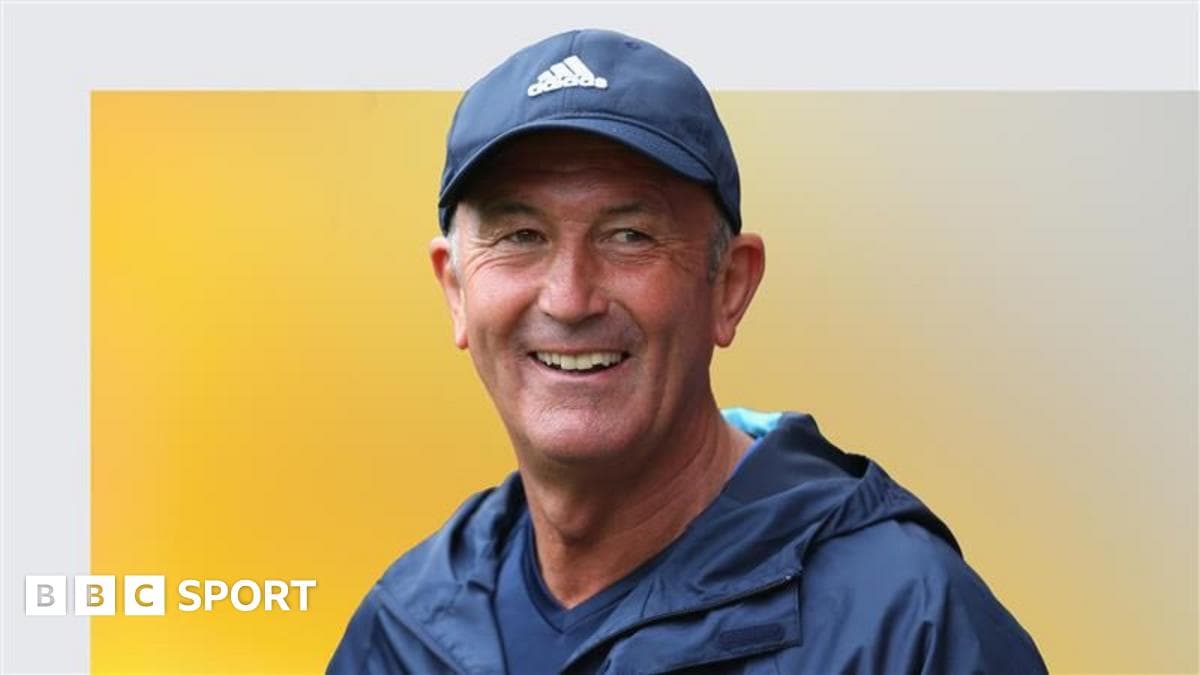
My plan to overhaul academy system and help young players
Key Takeaways
- Plan to overhaul academy system to support development of young players.
- 16-year-old Arsenal prospect Max Dowman scored decisive goal against Everton.
- Arsenal fans expect more standout moments from Dowman in coming years.
Problem: academy system flaws
Tony Pulis highlights the harsh reality of academy football: even as players like Arsenal's 16-year-old Max Dowman chase a career in the professional game, thousands of other boys and girls drop out and face crushing rejection at a young age.
“One of my favourite moments of the season came last week, watching Arsenal's Max Dowman break forward from his own penalty area to score a goal that sealed his side's Premier League win over Everton”
He recounts his 2020 report into the academy system and the Sky Sports documentary Chasing the Dream, which showed that 91% of young players at academies never play a professional game and includes the tragic case of Jeremy Wisten, released by Manchester City and who took his own life in 2020 at the age of 18.
He argues the system must do more to inform and support players who are discarded and to balance education with elite development.
EPPP system and outcomes
Right now, more than 12,000 boys are in the system, at clubs from the Premier League down.
It's an all-encompassing set-up, with coaching at least three evenings a week and a games programme that takes up most of their weekends.
Education is provided too, with lecturers employed to run BTEC programmes which are compulsory for all the youngsters.
The investment is enormous, and the top clubs reap major returns on that outlay through loans and sales of the young players these academies produce.
The Elite Player Performance Plan (EPPP) has been in place for almost 15 years now, and the statistic that only 9% of boys from academies will play a professional game shows the system has a total imbalance of success and failure.
Proposed reforms & model
I would place academies within six regions in England and Wales, each run by a director and partnered with accredited schools and colleges.
“One of my favourite moments of the season came last week, watching Arsenal's Max Dowman break forward from his own penalty area to score a goal that sealed his side's Premier League win over Everton”
Before they reach scholarship level, players would be assessed at 14 to determine the education pathway that suits them, whether academic or practical.
At 16, scholarship players would enrol in a mandatory dual education programme with the academic partners, depending on the path they want to take.
At the same time, players who are released at 16 can begin a full-time dual educational programme with the schools or colleges, again based on their preferences.
The plan introduces a new independent games programme where schools and colleges would compete against each other with teams of released players and their own students, helping keep them involved and offering a route back into the professional game.
A mentor system would provide about one mentor for each age group from under-14s upwards, all managed by an independent company, with mentors who are ex-professional or semi-professional, trained on child safety and experienced with the trauma of release.
These mentors would engage closely with players and families.
Support & call for feedback
Pulis cites conversations with top managers about mentorship, saying Sir Alex Ferguson, Pep Guardiola and Carlo Ancelotti stressed its importance, and he asks readers for feedback on whether his ideas would work.
The piece notes that Pulis spoke to BBC Sport's Chris Bevan.
More on Sports

Iran Threatens Worldwide Attacks on Tourist Sites
11 sources compared

Online Racists Target Liverpool's Ibrahima Konate After Osimhen's Injury
13 sources compared

Head coach Benjy Taylor sues Morehouse and campus officers over on-court handcuffing
11 sources compared

Nottingham Forest beat Midtjylland on penalties to reach Europa League quarter-finals
10 sources compared