
NASA's Artemis II Achieves Milestones Including Toilet Troubles and Nutella in Space
Key Takeaways
- Four astronauts aboard Orion conduct a crewed lunar flyby.
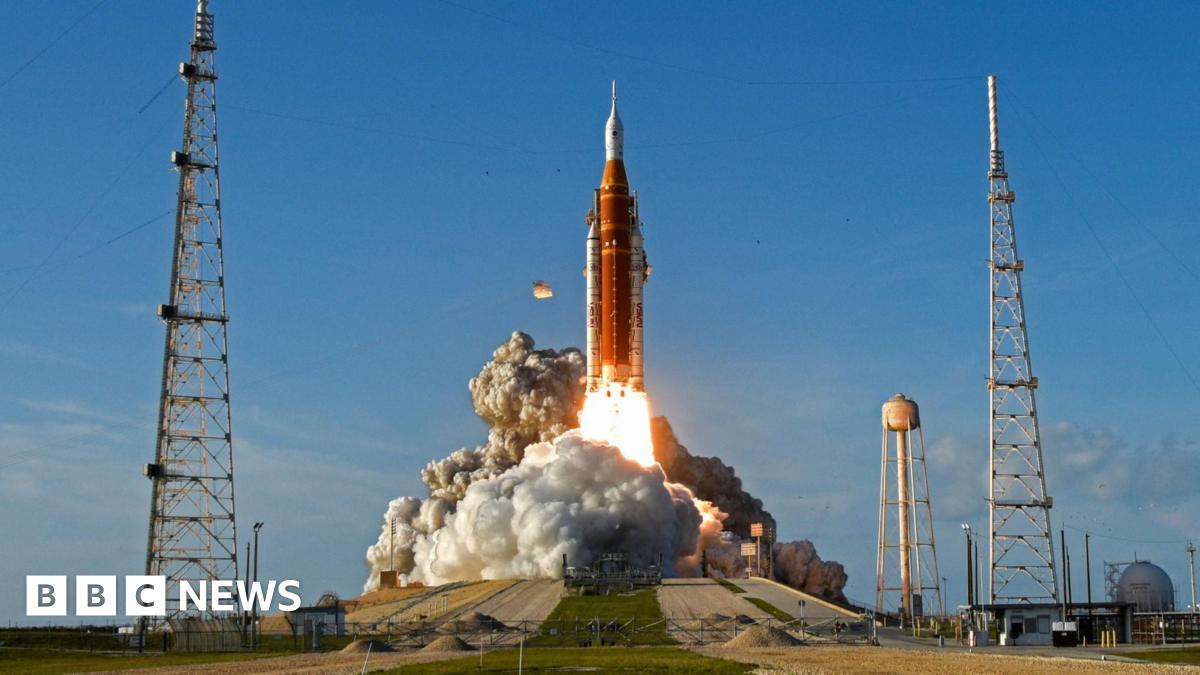
- Launched April 1, 2026, on a 10-day mission around the Moon.
- NASA and partners provide live updates of the flyby, signaling historic return.
Mission Success and Challenges
NASA's Artemis II mission surpassed expectations in its first six days, with the Orion capsule performing flawlessly with crew aboard for the first time.
The mission faced unexpected challenges including toilet malfunctions that the crew had to fix multiple times.

Nutella made a surprise appearance after a jar was spotted floating in zero gravity.
The crew memorialized Commander Wiseman's late wife by proposing to name a crater on the moon Carroll.
Record-Breaking Distance
Artemis II reached its closest approach to the moon at about 4,067 miles above the lunar surface.
The spacecraft reached a maximum distance from Earth of 252,756 miles, breaking the Apollo 13 record.
The crew observed Earthrise and witnessed a total solar eclipse from their vantage point.
All four crew members were the first Black, woman, and Canadian astronauts to make the journey around the moon.
Technology Innovations
For the first time in a crewed deep-space mission, each astronaut carried an iPhone 17 Pro Max to document the journey.
“Our live coverage of Artemis II’s historic lunar flyby has ended”
NASA approved the phones only after rigorous safety testing.
An optical communications system from MIT transmitted high-resolution video and images back to Earth.
The mission combined cutting-edge technology with practical solutions.
More on Technology and Science

Greece to Ban Social Media for Under-15s Starting January 2027
16 sources compared

Artemis II Completes 10-Day Moon Mission, Safely Returns to Earth
16 sources compared

Iran-Backed Hackers Disrupt US Water and Energy Systems Across Multiple States
25 sources compared

Apple's Foldable iPhone Faces Engineering Snags but Retains September Launch
10 sources compared