Iran04 March, 20262 min read
NATO Shoots Down Missile Turkey Says Iran Launched; Iran Denies Firing
NATO air and missile defenses intercepted and destroyed a ballistic missile fired from Iran Missile crossed Iraqi and Syrian airspace before approaching Turkish airspace and being intercepted

20 outlets told this the same way.
NATO intercepts ballistic munition
Turkey’s defence ministry said a ballistic munition was detected travelling through Iraqi and Syrian airspace from Iran toward Turkish airspace. The ministry said NATO air‑ and missile‑defence elements in the eastern Mediterranean intercepted and destroyed the munition. The ministry and multiple outlets described the intercept as occurring over the eastern Mediterranean and said NATO systems rendered the threat inactive.
“Turkey said NATO air and missile defence systems shot down a ballistic missile launched from Iran that was headed toward Turkish airspace, the first time the widening regional conflict has directly affected a NATO member.”
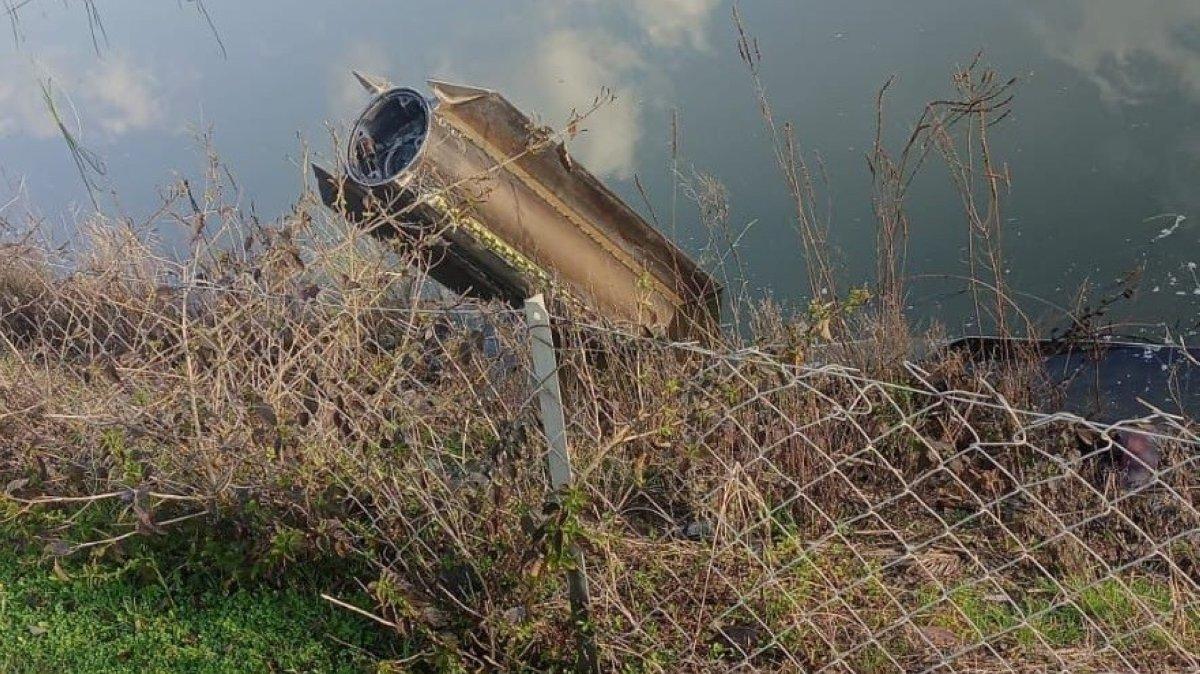
There were no reported casualties. Debris was later found in southern Hatay province (Dortyol).

Iran denies missile claims
Iran’s Armed Forces and General Staff issued formal denials that they launched any missile toward Turkey. They said Tehran respects Turkish sovereignty and called the accusations unfounded.
State media carried the denials. Some Iranian outlets suggested the Turkish claims could reflect misidentification or propaganda.
Diplomatic and military responses
Ankara and NATO responded with diplomatic and military signalling. Turkey warned against escalation, reserved the right to respond, and said it was coordinating with NATO while continuing consultations with allies. NATO condemned what it called Iran’s targeting of Türkiye and reiterated a strong deterrence and defence posture.
“Turkey said there were no casualties, reserved the right to respond to hostile actions and warned against escalation; President Recep Tayyip Erdoğan said Turkey was coordinating with NATO and boosting deterrence. Foreign Minister Hakan Fidan protested to his Iranian counterpart, NATO condemned what it called Iran’s targeting of Türkiye and reaffirmed its strong defence posture, while U.S. Defense Secretary Pete Hegseth said the incident did not appear to trigger NATO’s Article 5.”
U.S. officials were reported to have supported Turkey, and one U.S. defence official said the episode did not appear to trigger NATO’s Article 5. Turkey’s foreign minister phoned his Iranian counterpart to protest.
Coverage of regional intercept
Observers and regional reporting placed the intercept in the context of an intensifying Iran–U.S.–Israel confrontation, but accounts differ on the recent trigger events and their severity.
Several outlets framed the incident as part of a wider escalation after strikes on Iran and retaliatory attacks.
Some reports, including WION and Jordan News summaries, stated that U.S. and Israeli strikes on Feb. 28 had killed Iran’s supreme leader and other top officials, while other outlets did not make that claim.
Multiple sources described the episode as drawing a NATO member directly into the wider confrontation.
This last point was reported variably across outlets rather than uniformly.
Missile incident and responses
Turkish and other officials also suggested the missile may not have been intended for Türkiye. A senior Turkish source told AFP that the missile had been "aimed at a base in Greek Cyprus but veered off course." Reporting noted previous related strikes such as an Iranian drone attack on Akrotiri in Cyprus.
“A Turkish official told AFP the missile had been ‘aimed at a base in Greek Cyprus but veered off course.’”
Videos and debris were widely circulated and verified by international outlets. Those developments heightened diplomatic steps such as Turkey summoning Iran’s ambassador and NATO reiterating support for its ally.
