Crime17 April, 20266 min read
Nearly 160,000 Uninsured Cars Seized On UK Roads In Record Crackdown
This article is an automated aggregation of coverage from news outlets. Our editorials offer in-depth analysis curated by the NewsCord team.
About 160,000 uninsured cars were seized in the UK last year, a 17-year high. Motor Insurers' Bureau estimates about 300,000 cars are driven daily without insurance.

Record seizures and hotspots
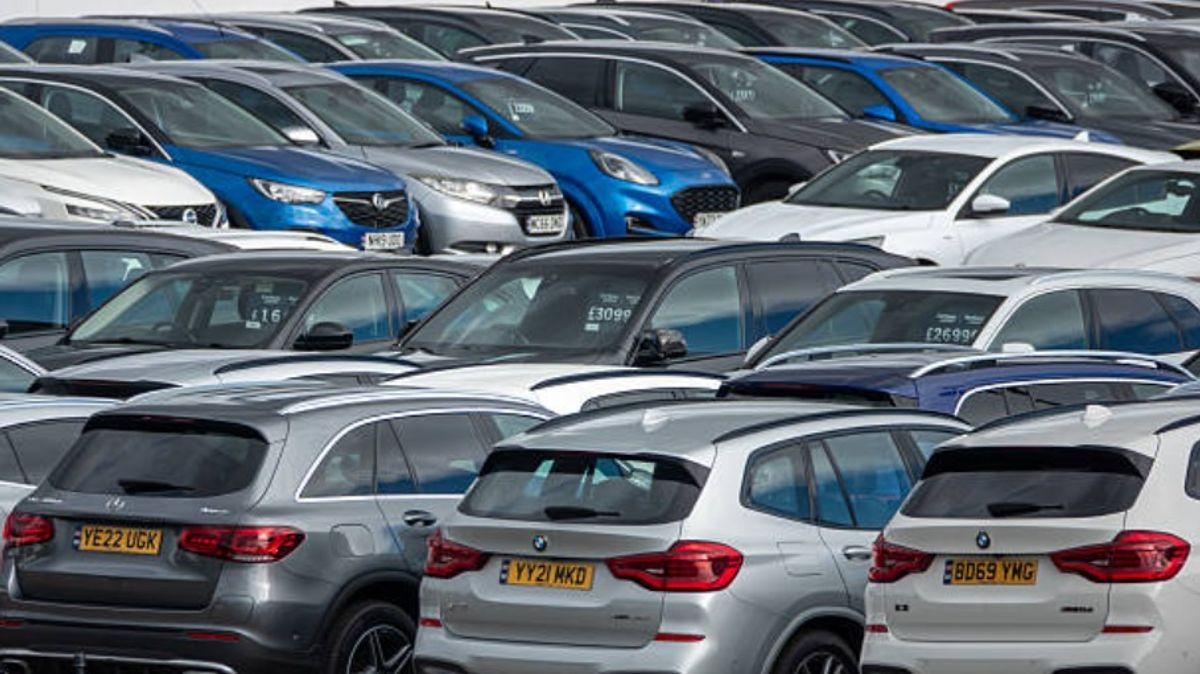
Nearly 160,000 uninsured cars were seized on UK roads last year, marking the highest number for 17 years, according to figures cited by the BBC and the Motor Insurers’ Bureau (MIB). The BBC said the cost of cover was one of the main factors for those flouting the law, and it reported that the MIB estimates about 300,000 cars are being driven every day without insurance. The BBC also identified Birmingham as a hotspot, saying it has five out of the top 15 postcodes in the UK for accidents involving uninsured drivers, listing B25, B18, B66, B21 and B35.
Other postcodes in the top 10 included Thurrock's RM19 in Essex, PE1 in Peterborough, M18 in Manchester, Havering's RM1 in London and Belfast's BT17. The BBC put the estimated economic cost of uninsured driving at £1bn every year, and said the figure includes compensation for victims, emergency services, medical costs and loss of productivity.

The MIB told the BBC that someone in the UK was affected by uninsured or hit-and-run drivers every 20 minutes, with one person each day suffering life-altering injuries. In a separate report, RAC echoed the same scale, saying “160,000 uninsured cars were seized from UK roads last year - the highest number in 17 years - according to a new report from the BBC and the Motor Insurers’ Bureau (MIB).”
Operation Scalis and enforcement
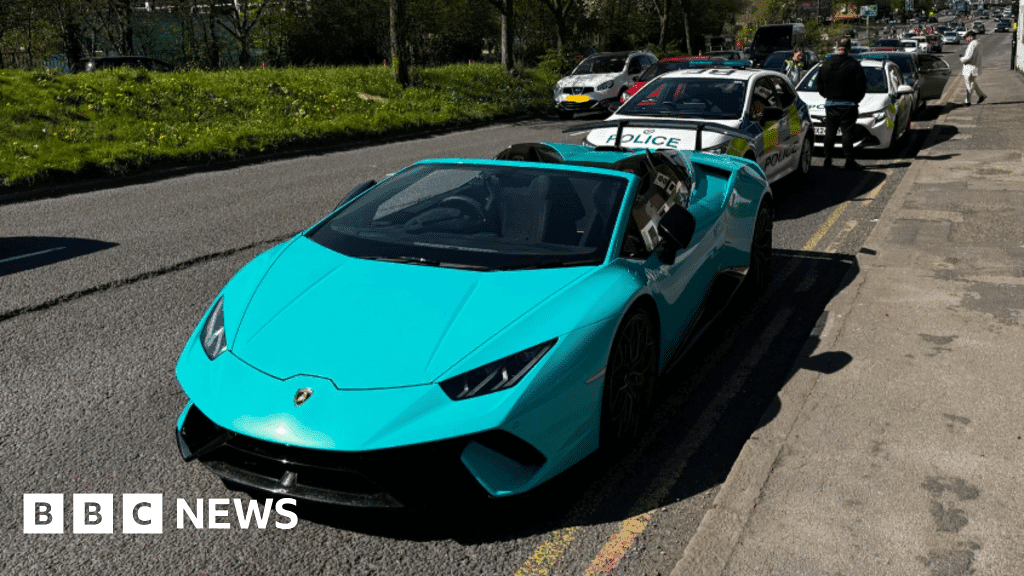
The BBC described how the MIB runs Operation Scalis in conjunction with police forces across the country to tackle uninsured driving, and it said the number of cars taken off the roads has risen by nearly 20% in the past five years, from 132,435 to 158,594. It also reported that in one police operation earlier this month, West Midlands Police took 16 vehicles off the road for being uninsured, including a Lamborghini. The BBC said uninsured vehicles and their drivers were more likely to be involved in secondary offences like driving while disqualified or be under the influence of drink and drugs, and it added that officers also found several empty gas canisters, with mouthpieces on, inside another vehicle when it was stopped.
It further said officers stopped cars with faults including bald tyres, illegally tinted windows and broken seat belts. Sgt Adrian Brown of West Midlands Police told the BBC that “A lot of people just own up to it and say 'I couldn't afford it' or 'I haven't passed my driving test'.”
He also said, “I think the other reason around this criminal aspect is they're trying to hide the identity of the car.” RAC similarly said the Birmingham area was the main hotspot and that the number of cars taken off the roads rose by almost 20% from 132,436 to 158,594, while the Rugby Observer described the same enforcement partnership through Operation Scalis.
Why drivers go uninsured
The BBC and multiple local and tabloid accounts linked the rise in uninsured driving to affordability and to gaps in knowledge about the Road Traffic Act, while also describing deliberate attempts to avoid detection.
“It's a diverse area so people coming into the country might not know the laws and the legislation of the Road Traffic Act.”
Hayley Sutcliffe, from the MIB, told the BBC that “It's a diverse area so people coming into the country might not know the laws and the legislation of the Road Traffic Act.”
She added, “We need to raise awareness around when people need to have the correct level of cover of insurance.”
The BBC also said the cost of car insurance has led to “fronting,” where older members of a family insure a young person's car to reduce premiums, describing it as a type of fraud that means vehicles and their drivers are not properly covered.
The BBC reported that West Midlands Police carry out weekly operations around the force area to target those breaking the law, and it said offenders could receive a fixed penalty of £300 and six penalty points on their licence.
The Yorkshire Live report similarly quoted Sutcliffe saying “It's a diverse area so people coming into the country might not know the laws and the legislation of the Road Traffic Act. We need to raise awareness around when people need to have the correct level of cover of insurance.”
Female First’s tabloid framing also said West Midlands Police officers continue to encounter uninsured drivers for reasons including affordability issues and deliberate attempts to avoid detection, and it repeated Sutcliffe’s quote about newcomers not knowing the Road Traffic Act.
Public reaction and calls for tougher penalties
Local reporting in Birmingham captured residents’ anger at what they described as weak deterrence and the relative ease of being fined compared with paying insurance.
Yorkshire Live included a Birmingham resident who fumed, “Alas it is cheaper to get caught and fined than paying insurance. Has been for years. Get caught and be banned for life. If you hit and maim or kill someone you should go to prison for a very long time.”

The same article quoted another resident calling for tougher measures, saying, “Raise the fine to £400 and if not paid crush the car after a week - far too many uninsured drivers on the road and sorry Hayley Sutcliffe from MIB there is no excuse,” and it also included a third comment that “If you can't afford the insurance then you can't drive.... it's not like you can just walk into a shop with no money and walk out without paying....”
Yorkshire Live also reported that the MIB argues that penalties for both possessing an uninsured vehicle and for driving an uninsured vehicle on public highways need to be raised to reflect the average motor insurance premium of £622.
Birmingham Live similarly repeated the MIB’s warning that 160,000 uninsured cars were seized and again highlighted Birmingham’s five hotspot postcodes B25, B18, B66, B21 and B35.
It also included the same resident frustration about it being cheaper to be caught and fined, and it repeated the MIB’s belief that fines need to be increased to be proportionate to the average motor insurance premium of £622.
Female First’s tabloid account framed the issue as a “record crackdown” and said campaigners and residents argued penalties may not be strong enough to deter repeat offenders.
What happens next for enforcement
Across the accounts, the enforcement response is presented as ongoing and expanding, with Operation Scalis described as a nationwide initiative and West Midlands Police conducting weekly operations. The BBC said Operation Scalis is run by the MIB in conjunction with police forces across the country, and it reported that in the past five years the number of cars taken off the roads has risen by nearly 20%, from 132,435 to 158,594. It also said the organisation estimated that someone in the UK was affected by uninsured or hit-and-run drivers every 20 minutes, with one person each day suffering life-altering injuries, underscoring the scale of harm.
“Operation Scalis is run by the MIB in conjunction with police forces across the country to tackle the rising issue of uninsured drivers.”
The Rugby Observer added that authorities said the growing scale of the issue is putting pressure on enforcement efforts nationwide, and it reiterated that West Midlands Police took 16 uninsured vehicles off the road in Birmingham, including a Mercedes, a BMW and a Lamborghini. It also said offenders could receive a £300 fine and six penalty points, while it described the possibility of court where penalties may include an unlimited fine, disqualification from driving and the seizure or destruction of the vehicle.
Carwow’s explainer went further on consequences, stating that if caught you’ll typically receive a £300 fine and six penalty points on your licence (IN10), and it said police can seize your vehicle on the spot, often using ANPR cameras to identify uninsured cars. It also stated that to get it back, you must show valid insurance, pay a release fee (often £150+) and cover storage charges, and it warned that if it isn’t claimed within 14 days it may be sold or crushed, with around one in three unclaimed vehicles ultimately destroyed.