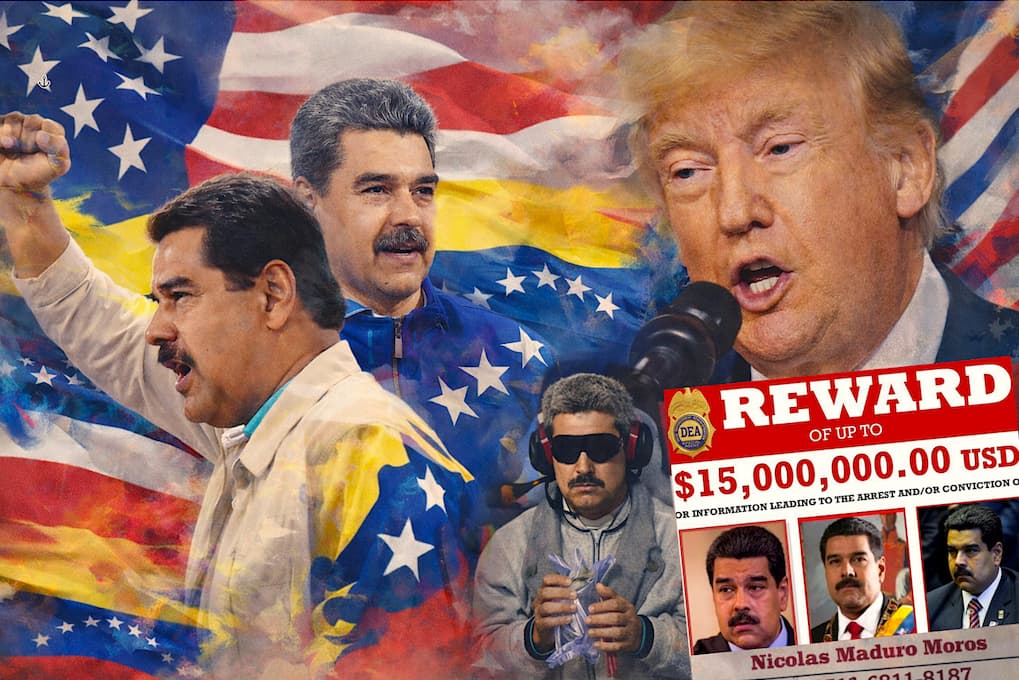
Nicolás Maduro, Venezuela, and the United States: the blurred line between sovereignty and global justice.
Key Takeaways
- Maduro was captured by United States forces on January 3, 2026, in Caracas.
- The case reopens the debate on extraterritorial jurisdiction and global power.
- Charges trace back to United States narcoterrorism charges filed in 2020.
Opening event
PHOENIX – There are moments in international politics when events cannot be understood as isolated acts, but as the convergence of processes accumulated over years, even decades.
“Nicolás Maduro becomes the center of a global debate on sovereignty and transnational justice”
The capture of the President of Venezuela Nicolás Maduro and his wife Cilia Flores by United States forces on January 3, 2026 sits in that category.
Immediate impact questions
Beyond its immediate impact, the episode raises fundamental questions about sovereignty, transnational justice, and the use of power in an international system that is increasingly fragmented.
Historical charges context
The accusations against Maduro did not arise abruptly.
“Nicolás Maduro becomes the center of a global debate on sovereignty and transnational justice”
In March 2020, the United States Department of Justice and the Drug Enforcement Administration (DEA) filed formal charges against him and other Venezuelan officials for narcoterrorism, cocaine trafficking, corruption, and weapons-related offenses.
Sovereignty vs extraterritorial action
From one perspective, certain transnational crimes justify the extraterritorial action of states.
From another, the capture of a serving or de facto head of state represents a serious violation of sovereignty and a precedent difficult to reconcile with international law.
More on USA

Trump threatens to deploy ICE agents to US airports amid DHS funding standoff
46 sources compared

ICE Detainee Royer Perez-Jimenez Dies in Florida Detention Center; Officials Suspect Suicide
10 sources compared
Elon Musk Offers to Pay TSA Salaries During Partial Government Shutdown
50 sources compared

California lawmakers rename Cesar Chavez Day to Farmworkers Day amid sexual abuse allegations.
17 sources compared