Africa10 April, 20261 min read
Nigeria Convicts Nearly 400 Islamist Militants in Abuja Mass Trials
This article is an automated aggregation of coverage from news outlets. Our editorials offer in-depth analysis curated by the NewsCord team.
Mass trials in Abuja produced nearly 400 convictions for Boko Haram and ISWAP links. Sentences ranged from five years to life imprisonment.

Mass Convictions in Nigeria
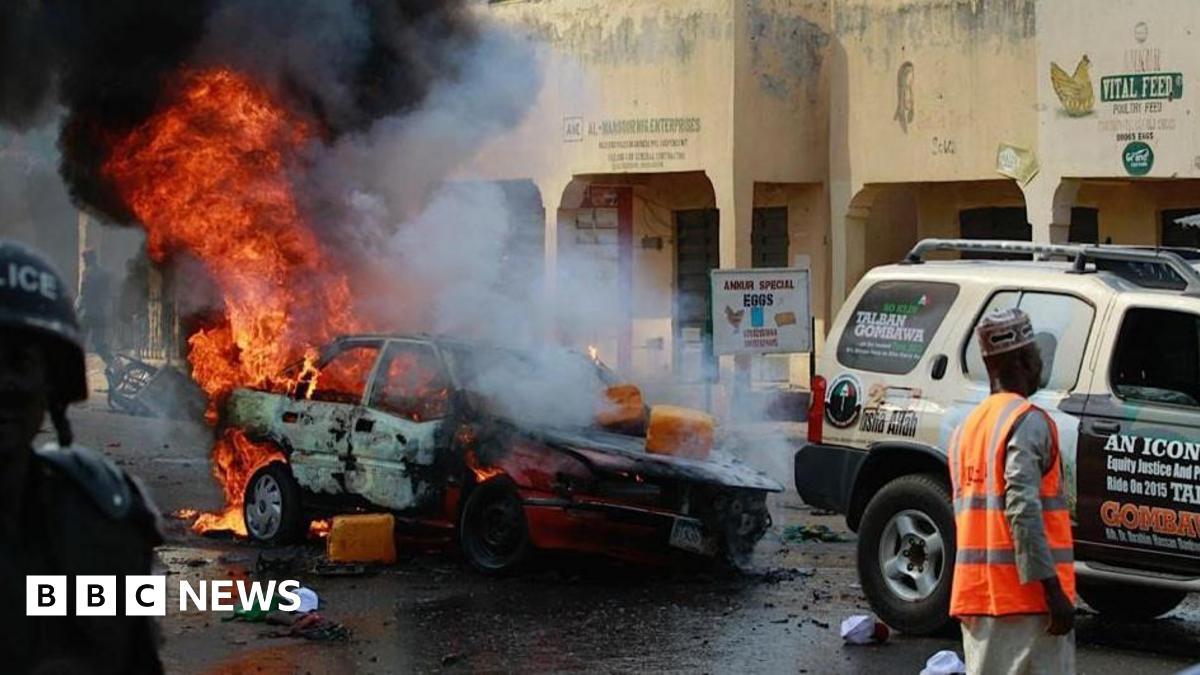
Nigeria convicted nearly 400 Islamist militants in mass trials held in Abuja. The prosecutions are part of a series of trials involving Boko Haram and ISWAP suspects that started in 2017. More than 500 cases were presented during the latest proceedings.
386 convictions were secured, eight discharges, two acquittals, and 112 cases adjourned. Sentences ranged from five years to life imprisonment. Judges stipulated that the convicts undergo rehabilitation and deradicalisation programmes.
Confessions and Sentences
The special court is tasked with trying 500 terror suspects held in military facilities. Justice Egwuatu convicted and sentenced 11 persons based on their confessional statements. The court can convict an accused upon his confessional statement without calling on the prosecution to prove the case.
One defendant was sentenced for failing to report the activities of the terrorists. The judge ordered that the convicts be rehabilitated and de-radicalized after serving their jail terms.

Context of the Insurgency
Boko Haram launched an insurgency in northeast Nigeria in 2009. The group gained global notoriety following the 2014 mass abduction of schoolgirls in Chibok. The US carried out airstrikes in northern Sokoto state on Christmas Day.
The government denied Trump's claim of Christian persecution. International observers monitored the court proceedings to ensure fair trials.