Technology and Science29 April, 20266 min read
Northern Ireland Smart Meter Rollout Begins Around 2028 Under Department for the Economy Plan
This article is an automated aggregation of coverage from news outlets. Our editorials offer in-depth analysis curated by the NewsCord team.
Smart meters rolled out in Northern Ireland from 2028, costing over £500m. No upfront installation cost and consumer choice preserved.
Rollout Timeline
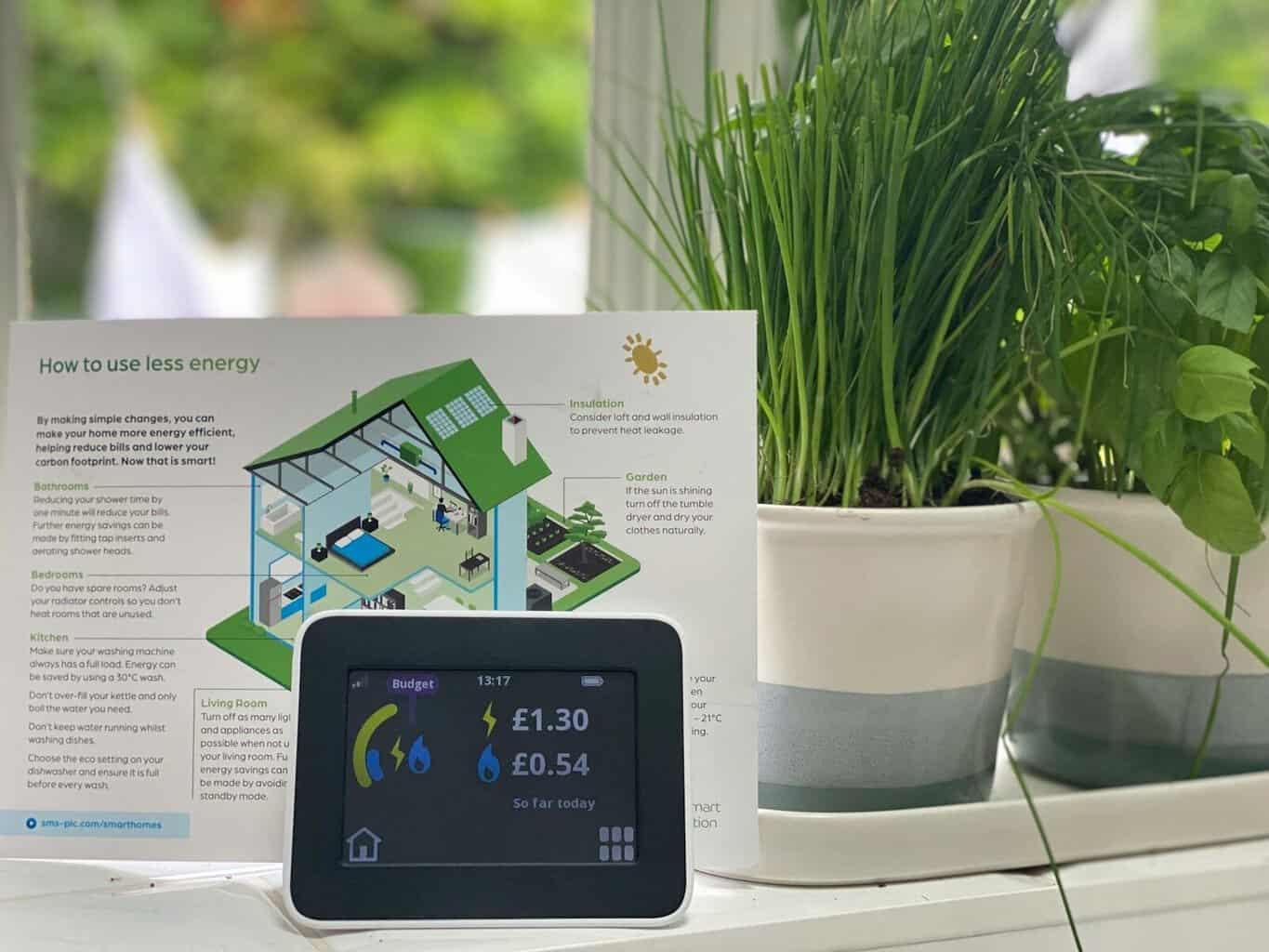
Northern Ireland is preparing to introduce smart electricity meters from 2028, with the Department for the Economy setting out a “Smart Electricity Meters Design Plan” and Economy Minister Caoimhe Archibald saying the rollout will begin “around the beginning of 2028” and last “three years.” The BBC describes Northern Ireland as the only part of the UK not yet installing smart meters, noting that “Smart electricity meters will be rolled out there from 2028, according to the Department for the Economy,” and that the meters will “replace traditional electricity meters, providing real-time information to energy suppliers while giving households information on their electricity usage and costs.” Belfast Live and the Department for the Economy both stress that the introduction will be “carefully planned, consumer-focused,” and that “There will be no upfront cost for installation, and no loss of choice.”
“It is anticipated that the first smart meters will be installed in homes around the beginning of 2028, with a roll out lasting three years.”
Belfast Live adds that smart meters will “replace estimated bills and give people real-time information about how much electricity they use and when they use it,” while the BBC explains that at present “we all have a meter somewhere in the house which needs to be checked manually.” The BBC also quotes Utility Regulator Smart Meters Manager Aidan Thornbury saying, “estimated billing will be a thing of the past,” and adds, “Consumers can have more certainty over their usage and what their bills will be.” The Department for the Economy’s plan frames the rollout as part of a wider shift in how the grid operates, with the BBC describing it as “part of a wider push to increase the efficiency of the grid and to encourage power consumption patterns that are more aligned with intermittent renewable sources such as wind and solar.”

Cost, Capacity, and Data
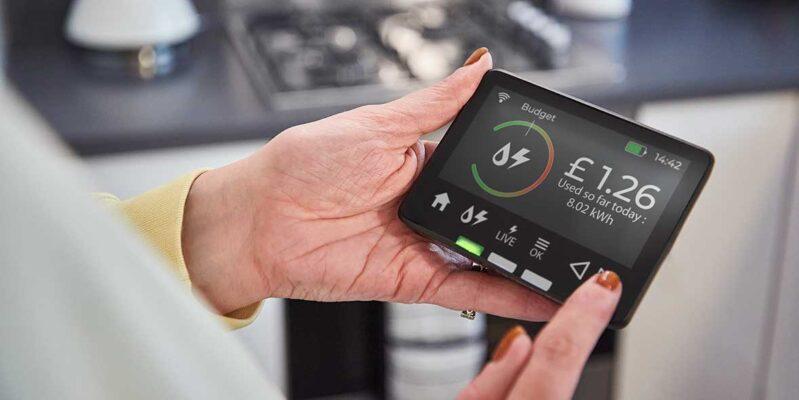
The rollout’s cost and scale are central to the debate in Northern Ireland, with multiple outlets quoting figures and explaining how the meters work. Derry Daily says the rollout “is set to cost more than £500m,” and adds that the regulator expects “IT costs expected to increase that total to the ‘late hundreds of millions’.” It also describes what smart meters do in practice, saying they “automatically send that information straight back to the network, along with other data about how the grid is operating,” and that they “show bill payers their own electricity usage in real-time on a small display.”
The Department for the Economy similarly emphasizes that “Electricity meters in homes and businesses are already paid for through electricity bills, so there will be no additional upfront charge for the change to smart meters,” while Belfast Live states that the rollout “will not involve upfront costs” and is “expected to begin at the start of 2028 and will last three years.” Derry Daily also reports that DfE analysis found “a net benefit from smart meter of £300m over 30 years,” and it notes that smart meters “aren’t mandatory,” with householders “will not have to take one when installations begin in 2028.” The BBC adds that smart meters are already standard elsewhere in the UK and Ireland, and it explains that Northern Ireland’s delay included a 2009 trial and a 2013 decision not to install them, citing “the ‘immaturity of the technology’ at that stage.”

Officials and Advocates
Economy Minister Caoimhe Archibald and a range of energy and consumer representatives argue that smart meters will both reduce bills and improve consumer control, while also addressing vulnerable households. Belfast Live quotes Archibald saying the cost of energy and “volatile fuel prices driven by the war in Iran” “is not fair and not sustainable,” and it repeats her claim that “Today’s announcement marks an important step forward for the north, supporting consumers to better manage their electricity usage and helping to reduce electricity bills, as well as creating greater resilience in our local grid.” The Department for the Economy’s release likewise ties the policy to the “months following the war on Iran,” with Archibald saying, “The cost of energy here, driven by volatile fossil fuel prices, is not fair and not sustainable for homes and businesses.”
Pat Austin, director of National Energy Action Northern Ireland, is quoted in both Belfast Live and the Department for the Economy saying, “Smart meters can deliver real benefits for households by helping people better understand their energy use and avoid estimated bills,” and he adds that “A fair and inclusive rollout will be important to ensure vulnerable households can benefit from greater control over their energy costs and enjoy warmer, healthier homes.” The Consumer Council’s Noyona Chundur tells Belfast Live that “Smart meters will help consumers better understand and manage their electricity use, supporting informed choices that can reduce bills and improve energy efficiency,” and the Department for the Economy quotes her saying the rollout will be supported by “strong consumer protections.” NIE Networks’ head of smart metering, Gemma McHale, is quoted in Belfast Live and the Department for the Economy welcoming the plan and saying, “Smart meters will help deliver a more efficient electricity system and help customers get better value.”
Why Northern Ireland Waited
The BBC provides the most detailed account of why Northern Ireland has not installed smart meters earlier, describing both technology concerns and political disruption. It says smart meters are “already standard in homes across England, Scotland, Wales as well as the Republic of Ireland but one place is yet to install them – Northern Ireland,” and it links the current plan to the Department for the Economy’s 2028 timeline. The BBC says smart meters were “trialled in Northern Ireland in 2009,” but that “in 2013 it was decided that smart meters should not be installed,” with the Department for the Economy citing the “immaturity of the technology” at that stage.
It also points to Assembly suspensions, saying “Stormont was down between 2017 and 2020, and again between 2022 and 2024,” which it frames as part of the delay. The BBC adds that Archibald has said Northern Ireland has the opportunity to learn from things that have gone wrong elsewhere, stating that “Archibald has said Northern Ireland has the opportunity to learn from things that have gone wrong elsewhere.” Belfast Telegraph similarly reports that an energy price expert called for the Executive to “learn from” issues around the introduction of smart meters in the Irish Republic, and it dates the call to “29 Apr 2026 5:10 PM.”
Debate Over Benefits and Risks
While the Department for the Economy and BBC outline benefits and consumer protections, Slugger O’Toole frames the smart meter spending as potentially wasteful and cites concerns about technology aging and network coverage. Slugger O’Toole questions whether “spending a billion on electric smart meters” is “a really dumb idea?” and it argues that “the regular estimates are going to cost closer to a billion,” while also calculating “£1 billion divided by the 800,000 homes in Northern Ireland work out at £1,250 each.” The piece also claims that “some of the smart metres that were previously installed are already out of date,as they use the old 2G and 3G networks,” and it says “These are being switched off by the mobile companies.”
“Fixed tariffs and prepayment options will continue to be available, and smart tariffs will be optional.”
It further contrasts the promised benefits with what it describes as problems elsewhere, quoting an “executive at one major energy supplier” saying, “Honestly, it has been a mess from the beginning,” and “So many of the problems that we have encountered were predictable and preventable.” Slugger O’Toole also cites a founder of MoneySavingExpert.com writing to Ed Miliband, saying the consumer group’s research suggests “about 20% of home smart meters are not working properly,” and it asserts “So a lot of these smart metres just don’t work.” In contrast, the BBC and Department for the Economy emphasize that smart meters are optional and that fixed tariffs and prepayment options will continue, with the Department for the Economy saying “Fixed tariffs and prepayment options will continue to be available, and smart tariffs will be optional.”