
NWS Warns Blizzard Conditions as Up to Five Feet of Snow Descends on Midwest
Key Takeaways
- NWS issued blizzard warnings across the Midwest and Upper Midwest.
- Storm will bring heavy snowfall and hazardous travel across the region.
- Warnings extend into the weekend across multiple states.
Widespread Blizzard Alerts
The National Weather Service has issued widespread winter storm alerts across multiple states as a powerful blizzard system descends on the Midwest.
“Winter isn't ready to give up just yet”
A combination of Arctic air colliding with a deepening low-pressure system has triggered critical blizzard warnings for parts of the Upper Midwest.

Forecasters are warning of up to five feet of snow in mountainous regions and significant accumulations in populated areas.
The storm system stretches from the Northern Rockies through the Great Lakes, with 16 states currently under various winter weather advisories.
This mid-March weather pattern demonstrates that winter's grip remains firm across the northern tier of the United States.
The Climate Impact Company notes that a significant pressure gradient is funneling hurricane-force gusts across the plains.
Dangerous Midwest Conditions
The Upper Midwest is experiencing the most dangerous conditions, with blizzard warnings creating life-threatening travel situations across Minnesota and northern Wisconsin.
In northeastern Minnesota including parts of the North Shore and areas south of Duluth, forecasters are warning of whiteout conditions with wind gusts up to 60 mph.
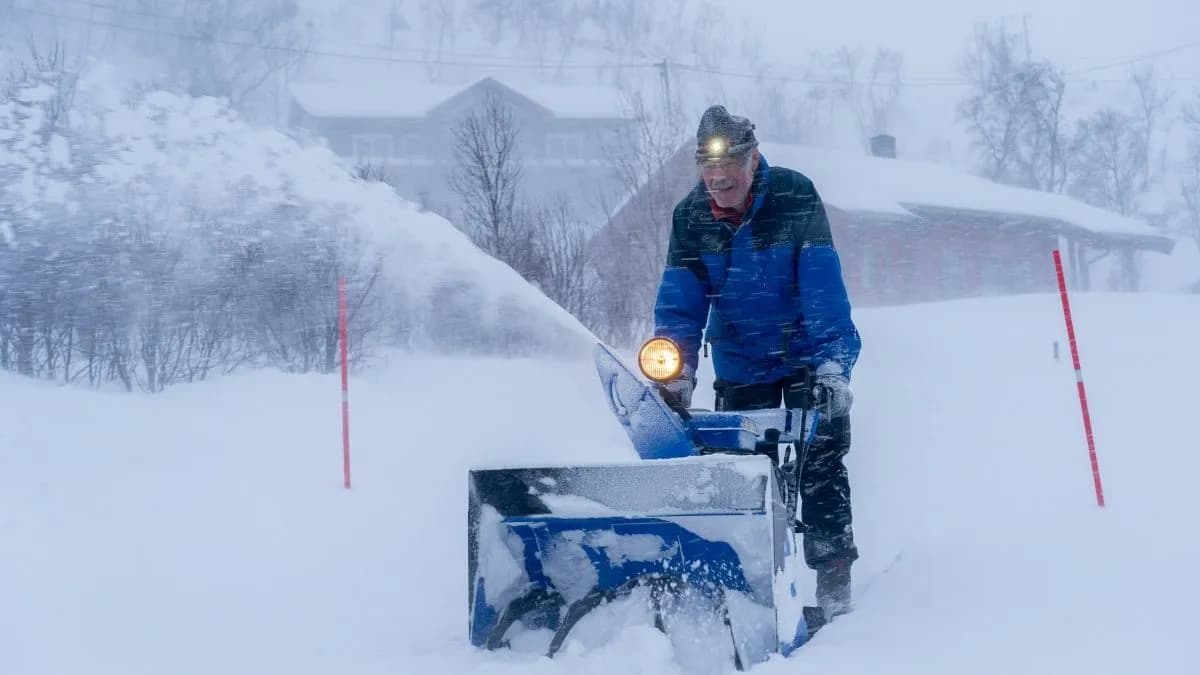
Visibility is dropping below a quarter mile, creating extremely dangerous travel conditions.
South-central Minnesota, eastern North Dakota, and portions of South Dakota are under Blizzard Warning zones.
Widespread Winter Storm Warnings cover Wisconsin, Northern Michigan, and the Wyoming Rockies.
The rapid intensification of this storm, known as 'bombogenesis,' is maximizing snowfall rates during overnight hours.
The NWS Twin Cities office reports that wind gusts exceeding 60 mph will create near-zero visibility, effectively paralyzing major transit corridors.
Mountain Snow Extremes
Mountain regions across the western United States are facing extreme winter storm conditions, with the Northern Rockies expecting the most significant snowfall totals.
“A wave of late-winter weather has triggered National Weather Service (NWS) alerts across multiple states, with forecasters warning of multiple feet of snow and hazardous travel into the weekend”
In Idaho and western Montana, winter storm warnings call for 20 to 50 inches of snow in higher elevations of the Clearwater Mountains.
Wind gusts up to 60 mph are creating 'extreme winter storm impacts' in these mountainous regions.
Forecasters are advising against travel in mountainous and backcountry areas during the warning period.
The Washington and Oregon Cascades are bracing for very difficult to impossible travel conditions.
These areas expect 1 to 3 feet of snow through Saturday morning, with localized higher totals around Mount Rainier.
Along key mountain passes including Lookout Pass and sections of Interstate 90, near-zero visibility and deteriorating road conditions are expected.
In Montana and northern Wyoming, winter storm warnings extend through Sunday morning with 1 to 4 feet of snow forecast.
These conditions raise avalanche danger and create concerns for livestock in lower elevations.
Second Storm System
A second, potentially more powerful storm system is expected to arrive late Saturday and persist through Monday.
This developing system will further exacerbate dangerous travel conditions across the Midwest and Great Lakes region.
The system is being driven by a dip in the jet stream that will push eastward into the Northern Rockies.
It will then track into the Midwest and Great Lakes, packing wind gusts forecast to reach as high as 70 mph.
With high pressure remaining anchored over Canada, much cooler air will be ushered in behind this strengthening low-pressure area.
This colder air will allow precipitation to fall as snow and expand into the Great Lakes region by Sunday.
The heaviest snowfall is expected from eastern Minnesota through central Wisconsin into northern Michigan.
Several feet of snow could fall in these areas by Monday evening.
Forecasters warn that this magnitude of snow may halt travel, severely disrupt cities, and cause power outages for thousands across the Great Lakes region.
Travel Disruptions
Travel disruptions are already mounting as airlines proactively cancel flights in anticipation of the dangerous storm conditions.
“Show Key Points The National Weather Service (NWS) has just sent out new information that confirms that a strong snowstorm is getting worse quickly in the middle of the U”
Delta has begun processing cancellations at Midwest airports, including its Minneapolis-St. Paul hub.
These cancellations are being made to ensure customer safety ahead of the powerful system.
More airlines are expected to follow suit with additional cancellations as the storm approaches.
Residents in affected areas are being urged to complete emergency preparations before sunset.
Officials warn that the combination of heavy snow, high winds, and low visibility will make travel treacherous.
These conditions are described as potentially life-threatening by weather authorities.
The storm systems are expected to gradually taper off by late Sunday.
However, the trailing Arctic air will keep temperatures well below average through early next week.
This prolonged cold weather will continue to impact the region after the snowfall ends.
More on Technology and Science

ByteDance Halts Seedance 2.0 Global Launch Over Copyright Disputes
12 sources compared

Blizzard Bomb Cyclone Batters Midwest, Triggers Widespread Power Outages
10 sources compared

Apple Cuts China App Store Commissions to 25% After Regulator Pressure
25 sources compared

FBI Investigates Hacker Who Uploaded Malware-Laced Games to Steam
12 sources compared