Oil Prices Surge Above $110 Amid Strait of Hormuz Blockade and Trump-Iran Deadline
Key Takeaways
- Strait of Hormuz remains closed, escalating tensions and disrupting global oil supply.
- Oil prices surge above $110 as tensions between the U.S. and Iran intensify.
- Trump's deadline pressure on Iran fuels market uncertainty and price volatility.
Strait of Hormuz Closure
Oil prices surged past $110 per barrel as the Strait of Hormuz remained closed and geopolitical tension escalated.
“The Strait of Hormuz is witnessing unprecedented escalation and rapidly evolving on-the-ground and diplomatic developments, according to the latest updates issued in the last 12 hours (Friday, March 27, 2026)”
Trump set a deadline for Iran to reopen the strait, which normally carries about one fifth of global oil supply.
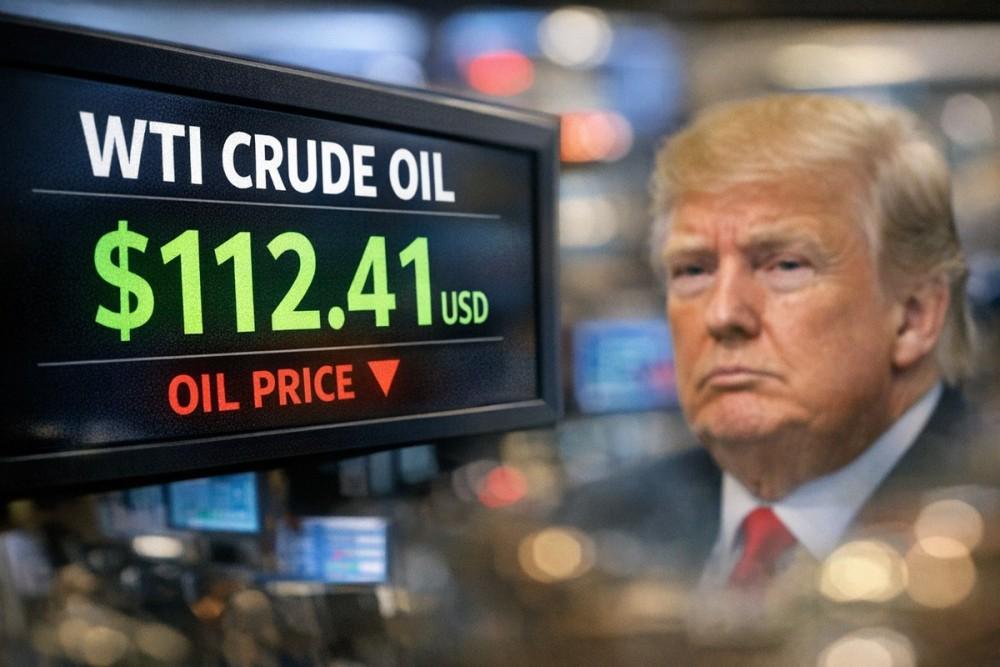
Brent crude futures traded at $108.82, while US WTI surged above $116 before settling near $112.
The closure has reduced exports from Gulf producers, causing lost revenue for stranded countries.
Trump warned Iran must reopen by midnight GMT or face strikes on infrastructure -- a threat Iran rejected.
Geopolitical Escalation
Iran declared the Strait of Hormuz closed to US and allied shipping.
Iran launched missile strikes on Israel that killed 11 people.
The UN Security Council was unable to agree on a resolution as Russia and China vetoed.
Regional tensions escalated with missile interceptions over Saudi Arabia.
The blockade immediately threatened 20% of global oil shipments.
Market Impact and Responses
The closure sent ripples through global markets, with Brent near $110.
“Gotrade News - Global oil prices have ticked upward following the latest threat from U”
Analysts noted price movements were driven as much by geopolitical signals as fundamentals.
Refiners scrambled to source alternative crude, pushing WTI spot premiums to record highs.
The IEA warned the crisis was more serious than those in 1973, 1979 and 2022 combined.
Higher oil and gas prices threatened to accelerate inflation worldwide.
Diplomatic Efforts and Challenges
Macron hosted a meeting with Gulf and ME30 partners to discuss reopening the strait.
Efforts to pass UN resolutions faced Russian and Chinese opposition.
Trump delayed strikes for 10 days to give negotiations a chance.
The Indian government stepped up contingency planning.
The US-Iran war was a geopolitical fault line with broad implications.
More on Finance

Britain Caps Student Loan Interest at 6% Amid Inflation Fears
10 sources compared

Third Circuit Blocks New Jersey, Rules Kalshi Sports Markets Covered by Federal Law
15 sources compared

Strait of Hormuz Closure Triggers Global Oil Surge, Crude Tops $118
13 sources compared

India's Bottled Water Prices Surge 11% as Hormuz Blockade Chokes Supply
10 sources compared