
Olly Robbins Says Keir Starmer’s 10 Downing Street Pressured Mandelson’s Washington Ambassador Confirmation
Key Takeaways
- Olly Robbins alleges Starmer's office pressured him to rush Mandelson's Washington ambassadorship.
- Robbins was fired by Starmer over approving Mandelson as ambassador.
- Coverage highlights Mandelson's vetting controversy and Epstein ties.
Pressure to approve Mandelson
Britain’s ambassadorial scandal involving Peter Mandelson intensified after testimony from Olly Robbins, the former head of Britain’s foreign service, who told the House of Commons Foreign Affairs Committee that he felt “an atmosphere of pressure” from Prime Minister Keir Starmer’s 10 Downing St. office to rush through Mandelson’s confirmation as British ambassador to Washington.
“Fired former UK official says he felt political pressure to approve Mandelson as US ambassador Fired former UK official says he felt political pressure to approve Mandelson as US ambassador LONDON (AP) — The former head of Britain’s foreign service said Tuesday he was pressured by Prime Minister Keir Starmer’s office to rush through the confirmation of Peter Mandelson as British ambassador to Washington, and claimed Downing Street brushed aside security concerns about the choice”
Robbins said there was “a very, very strong expectation” that Mandelson “needed to be in post and in America as quickly as humanly possible,” and he described Downing Street’s stance toward security checks as “a generally dismissive attitude.”
The Associated Press reported that Robbins said Downing Street brushed aside security concerns about the choice, and that Starmer’s office pushed to have Mandelson in place at the start of U.S. President Donald Trump’s second term.
Robbins also testified that the security vetting agency considered Mandelson a “borderline case” and was “leaning toward recommending against” giving him security clearance, but that Robbins cleared him anyway based on advice that the risks could be managed.
The AP added that Starmer fired Robbins last week after the revelation that Mandelson was approved for the job in January 2025 against the recommendation of the government’s security vetting agency.
In parallel, the CBC reported Robbins said he “walked into a situation in which there was already a very, very strong expectation … that he needed to be in post and in America as quickly as humanly possible,” and described “very frequent phone calls” from the private office of Starmer’s 10 Downing Street.
The dispute has become a direct challenge to Starmer’s judgment, with the opposition Conservative Party leader Kemi Badenoch saying Starmer “personally decided to appoint a serious known national security risk to our most sensitive diplomatic post.”
Vetting, clearance, and secrecy
Robbins’s testimony centered on how security vetting proceeded and what information reached the prime minister, with multiple outlets describing the process as both time-pressured and constrained by confidentiality rules.
The Associated Press said Robbins told lawmakers that the rules bar details of the sensitive vetting process from being shared except in “exceptional circumstances,” and it reported that Robbins declined to explain what led the government’s vetting agency to flag Mandelson as a potential security risk.
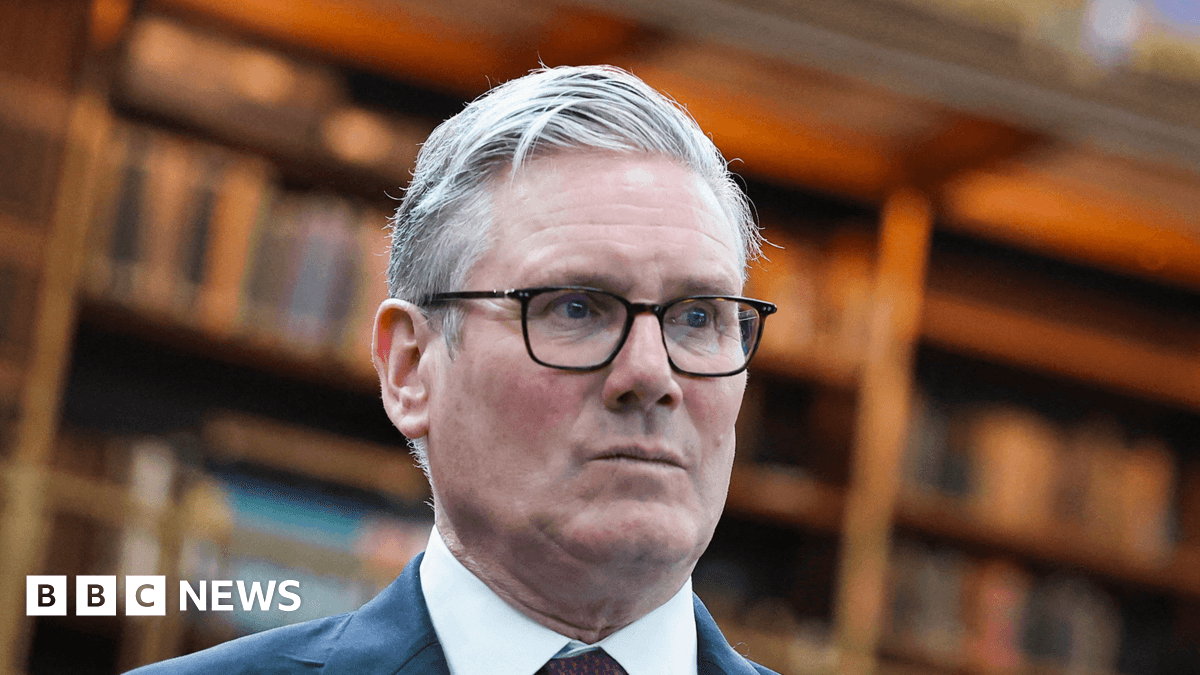
The AP also stated that the vetting agency was “leaning toward recommending against” giving Mandelson security clearance, but that Robbins cleared him anyway based on advice that the risks could be managed.
In the Associated Press account, Starmer called it “staggering” that Foreign Office officials failed to tell him about the security concerns, which he says he only found out about last week, and the prime minister fired Mandelson in September after new details emerged about his friendship with Epstein.
The myMotherLode explainer, also drawing on AP reporting, said Robbins described Downing Street as “dismissive” of security vetting and quoted Robbins saying there was “never any interest, as far as I can recall, in whether, but only an interest in when,” he said.
myMotherLode further reported that Robbins said Foreign Office confidentiality rules barred him from telling the prime minister he had approved Mandelson for the posting despite the team’s advice to the contrary, and it described the vetting body’s document as having three boxes—green, yellow and red—to indicate whether clearance should be approved or denied.
The CBC reported Starmer’s spokesperson rejected Robbins’s allegations, saying: “I would draw a distinction between the idea of pressure, and being kept informed about the process and the progress of the appointment.”
Epstein links and due diligence
While Robbins described the pressure and vetting mechanics, he also addressed what the security concerns were and were not connected to, according to the accounts in the AP-based explainer and the broader reporting.
“A former top Foreign Ministry official said on Tuesday he had faced "constant pressure" from U”
The myMotherLode takeaways said Robbins told lawmakers that the furor over the appointment arose earlier this year when new files released in Washington suggested Mandelson sent market-sensitive information to Epstein following the 2008 financial crisis when he was the U.K.’s business secretary, but it reported that Robbins said explicitly that concerns raised in Mandelson’s security screening had nothing to do with his ties to the convicted sex abuser.
myMotherLode said alarms were sounded in a “due diligence report” when Mandelson was first named as the future ambassador, and it quoted that report as raising concerns about “reputational risk.”
It also stated that the due diligence report outlined Mandelson’s “troubling business ties to Russia and China” and noted his resignations from two previous Labour governments because of scandals over money and ethics.
The Associated Press report similarly described Mandelson as a “scandal-tainted politician and friend of Jeffrey Epstein” and said a separate background report prepared before he was appointed ambassador flagged potential business links to Russia and China as a concern.
In the Associated Press account, Starmer acknowledged on Monday that he made the wrong judgment when he picked Mandelson for the job, and it said Starmer would have withdrawn the appointment if he’d known about the failed security vetting.
The CBC report added that Starmer has said he was “wrong” to appoint Mandelson and expressed regret, but it said on Monday he blamed officials for failing to tell him that a security vetting body had advised against his appointment.
Competing frames and blame
Different outlets emphasized different aspects of the same testimony, creating a picture of a dispute over blame that is being fought both in Parliament and in the political arena.
The Associated Press framed Robbins’s testimony as increasing “the heat on Starmer,” noting that Starmer is facing calls to resign over the decision to appoint Mandelson to one of the U.K.’s most important diplomatic posts.

In the same AP account, Robbins said there was “a very, very strong expectation” from Downing Street that Mandelson “needed to be in post and in America as quickly as humanly possible,” and it reported that Starmer fired Robbins after the revelation that Mandelson was approved in January 2025 against the recommendation of the security vetting agency.
The Inquirer similarly described Robbins’s claims of “political pressure” and said Starmer is facing calls to resign, but it also highlighted that Robbins said the rules bar details of the sensitive vetting process from being shared except in “exceptional circumstances.”
The CBC, by contrast, foregrounded the language of “constant pressure” and “an atmosphere of constant chasing,” describing Robbins’s account that his office and the foreign secretary’s office were under “constant pressure” throughout January [2025].
The CBC also included a direct quote from Starmer’s spokesperson rejecting Robbins’s allegations, while the Associated Press focused more on Starmer’s own statements that he made the wrong judgment and would have withdrawn the appointment if he’d known about the failed security vetting.
The myMotherLode explainer added another layer by presenting “key takeaways” and quoting Robbins’s description of Downing Street’s “dismissive attitude” and the “never any interest… in whether… only an interest in when” framing.
Consequences and next political tests
The fallout from Robbins’s testimony is playing out against a backdrop of earlier personnel moves and upcoming electoral deadlines, with multiple outlets describing how the scandal could reshape Starmer’s political standing.
“LONDON (AP) — A former top British official on Tuesday revealed behind-the-scenes details about how scandal-tainted politician Peter Mandelson, a friend of Jeffrey Epstein, came to be approved as Britain’s ambassador to Washington despite failing security checks”
The Associated Press said Starmer’s chief of staff, Morgan McSweeney, resigned in February, saying he took responsibility for the decision to appoint Mandelson, and it reported that Starmer has ordered a review of security concerns arising from Mandelson’s access to sensitive information while ambassador.
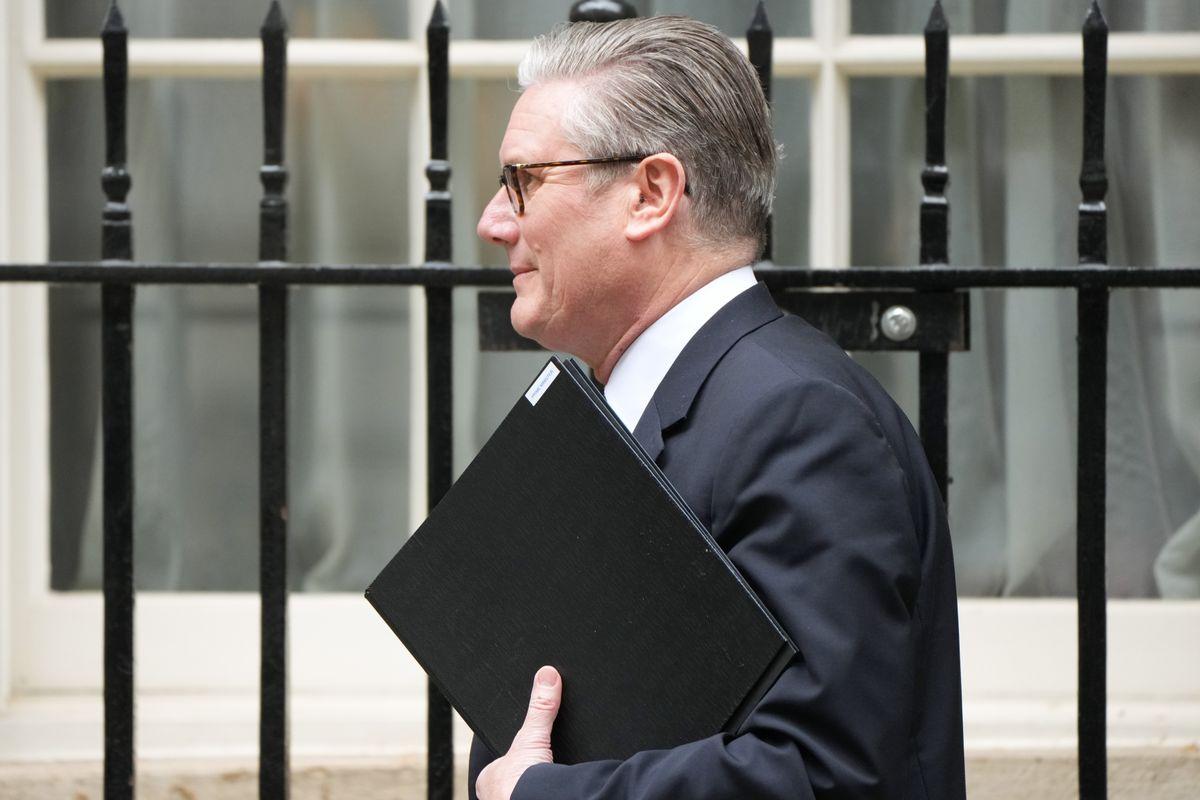
The AP also said Starmer won’t resign, but the scandal has caused gloom among lawmakers in his center-left Labour Party, already anxious about its dire poll ratings, and it noted that Starmer already defused one potential crisis in February when some Labour lawmakers urged him to quit over the Mandelson appointment.
The AP added that Starmer could face a new challenge if, as expected, Labour takes a hammering in local and regional elections on May 7, which give voters a chance to pass a midterm verdict on the government.
The CBC reported that Labour lawmakers have said there would not be an immediate move to oust Starmer over the scandal, especially as the party is expected to suffer big losses in local elections in England and regional votes in Wales and Scotland in just over two weeks.
In the CBC account, the return of focus on Starmer’s Downing Street operation was described as doing little to appease lawmakers who have repeatedly raised concerns over its operation, criticizing what some call a bunker mentality and lack of access.
The CBC included a direct quote from Energy Minister Ed Miliband to Sky News: “That it could blow up, that it could go wrong.”
More on Britain
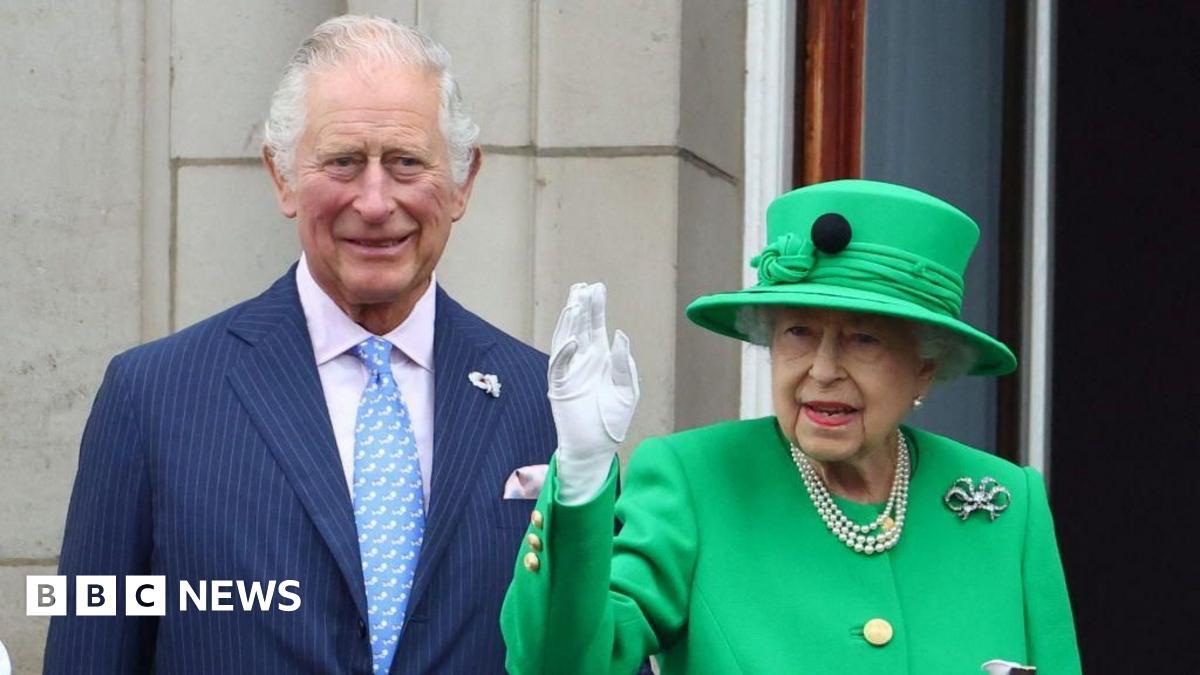
King Charles III Says Queen Elizabeth II Would Have Been Deeply Troubled By Today’s World
10 sources compared

Baroness Jacqui Smith Moves To Make Phone Bans Statutory In England Schools
10 sources compared
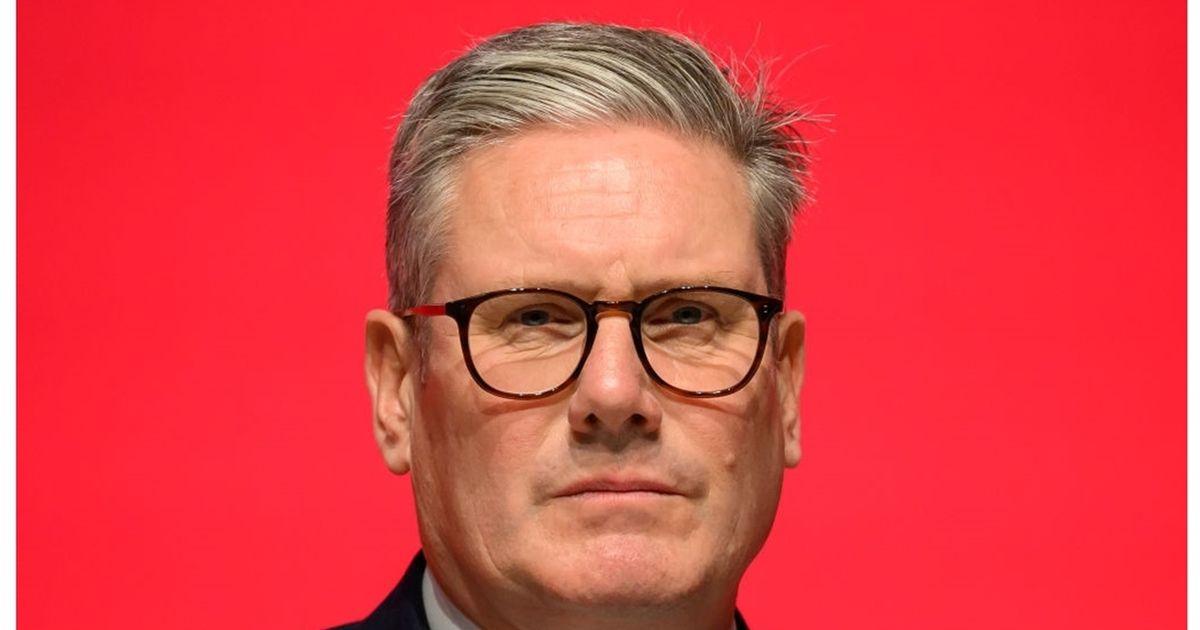
UK Police Arrest Two Over North London Synagogue Arson, Iran Links Under Investigation
43 sources compared
Iran-Linked Group Ashab Al-Yamin Claims Arson Attack on Kenton United Synagogue in London
20 sources compared