
Oman Warns Allies Ships Through Strait Of Hormuz May Face Transit Fees
Key Takeaways
- Oman said ships may incur transit fees to pass Hormuz.
- Fees could cover pollution control and navigational services.
- A vessel was attacked near Oman, damaging its bridge but causing no injuries.
Oman floats possible fees
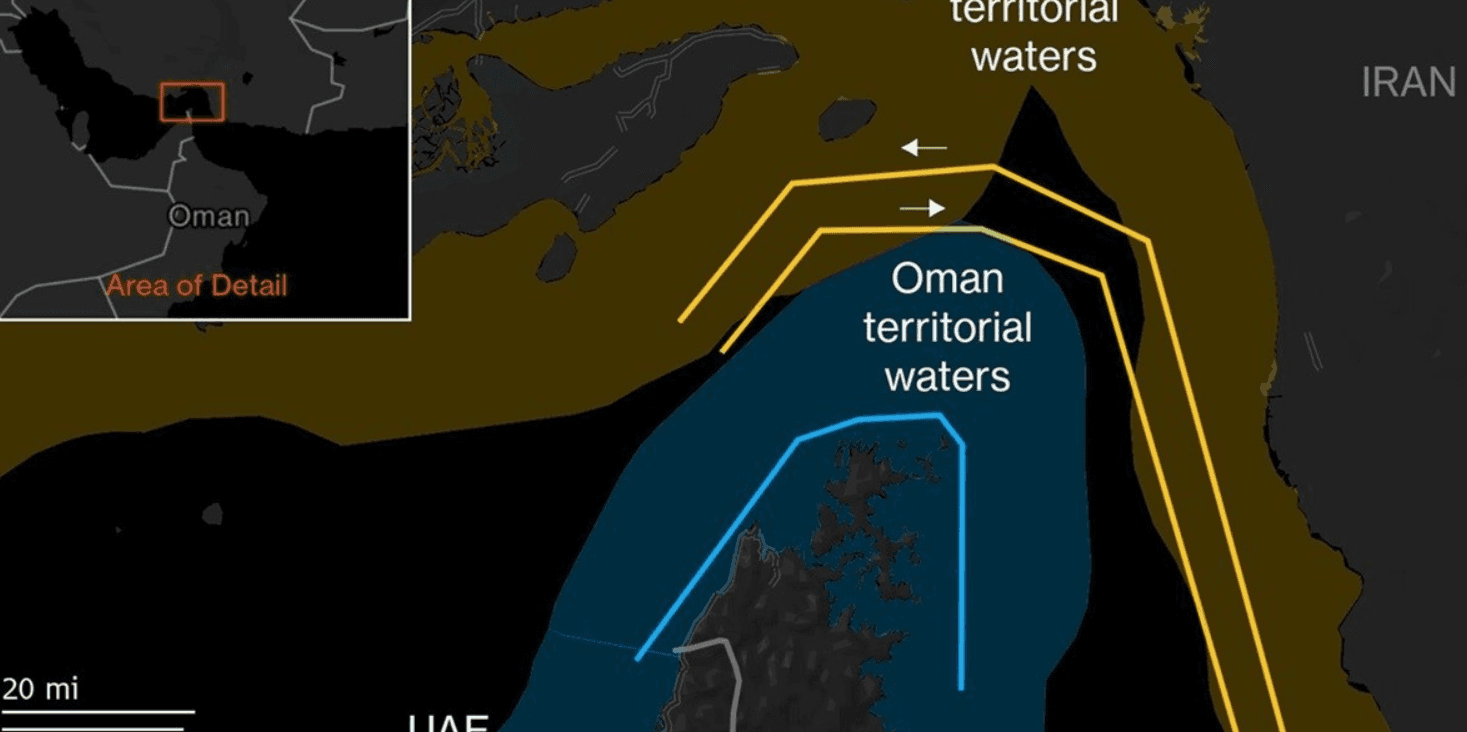
Oman warned allies that ships passing through the Strait of Hormuz may face transit fees, telling European officials there is “no way of going back to the pre-war status quo with the Strait of Hormuz.”
“Iran’s Islamic Revolutionary Guard Corps (IRGC) has warned commercial vessels to only use routes through the Strait of Hormuz approved by Tehran, reopening a point of friction in fragile negotiations between the United States and Iran over the future of the strategic waterway”
The Bloomberg-reported message said Oman would continue to comply with international maritime law while adding that charges could be introduced for services such as pollution control or navigational assistance, though it was “unclear whether any such fees would be mandatory.”
The issue is expected to feature during French President Emmanuel Macron’s meeting with Oman’s Sultan Haitham bin Tariq in Paris on Monday, with Macron’s office saying the leaders will “address the security of maritime routes, which depends on free and unconditional passage through the Strait of Hormuz.”
Oman’s stance has been mixed, with a joint statement with Iran saying they would discuss the future operation of the Strait of Hormuz and the costs associated with it, before Oman later signed a statement with the United States and the Gulf Cooperation Council that “rejected any tolls, fees, or attempts to assert control over the Strait.”
Rubio, Macron, and the dispute
US Secretary of State Marco Rubio said during a visit to Bahrain that “They said in the meeting, and they signed on to the statement that said that there aren’t going to be any fees or tolls, and so I think that’s good news,” framing Oman’s position as reassurance against tolling.
The same dispute over fees is tied to broader concerns about maritime control, with the Bloomberg report describing Omani officials telling European counterparts they are under pressure from Iran and that the sultanate is “caught between a rock and a hard place trying to maintain a balancing act between Iran and the US.”
In parallel, the UN’s International Maritime Organization said it would pause an evacuation effort after an attack in the Gulf of Oman, with Arsenio Dominguez saying, “I have decided to temporarily pause its implementation in order to reconfirm that the necessary safety guarantees continue to be in place.”
The CBS News account also tied the fee debate to navigation rules after an attack near the Oman coast, noting that Secretary of State Marco Rubio “again rejected the idea of Iran charging vessels to transit the Strait of Hormuz.”
What comes next for shipping
The Al Jazeera report said Iran’s Islamic Revolutionary Guard Corps warned commercial vessels to only use routes through the Strait of Hormuz approved by Tehran, reopening friction with the United States and Iran over how the waterway will be managed.
It described the warning as coming after Oman announced a new shipping transit route coordinated with the International Maritime Organization, while the IRGC said “The only authorised transit routes through the Strait of Hormuz are those designated by the Islamic Republic of Iran.”
In the background of the negotiations, Iran’s World Cup match against Egypt and a “Pride Match” designation were also discussed in the same source, but the core shipping stakes remained the unresolved question of whether Iran will seek greater control and impose transit or service fees after a 60-day negotiation process.
Radio Free Europe/Radio Liberty reported that US Central Command said it conducted strikes against Iran on June 26 in response to Tehran’s attack on commercial shipping, quoting CENTCOM: “US Central Command (CENTCOM) forces conducted strikes against Iran, June 26, as a powerful response to yesterday’s attack on a commercial ship.”
More on Other

Back-To-Back Earthquakes Kill At Least 235 In Venezuela, Delcy Rodriguez Declares Emergency
10 sources compared

Israel Faces Unprecedented Isolation as Boycotts Widen and Sanctions Expand Across Europe
10 sources compared
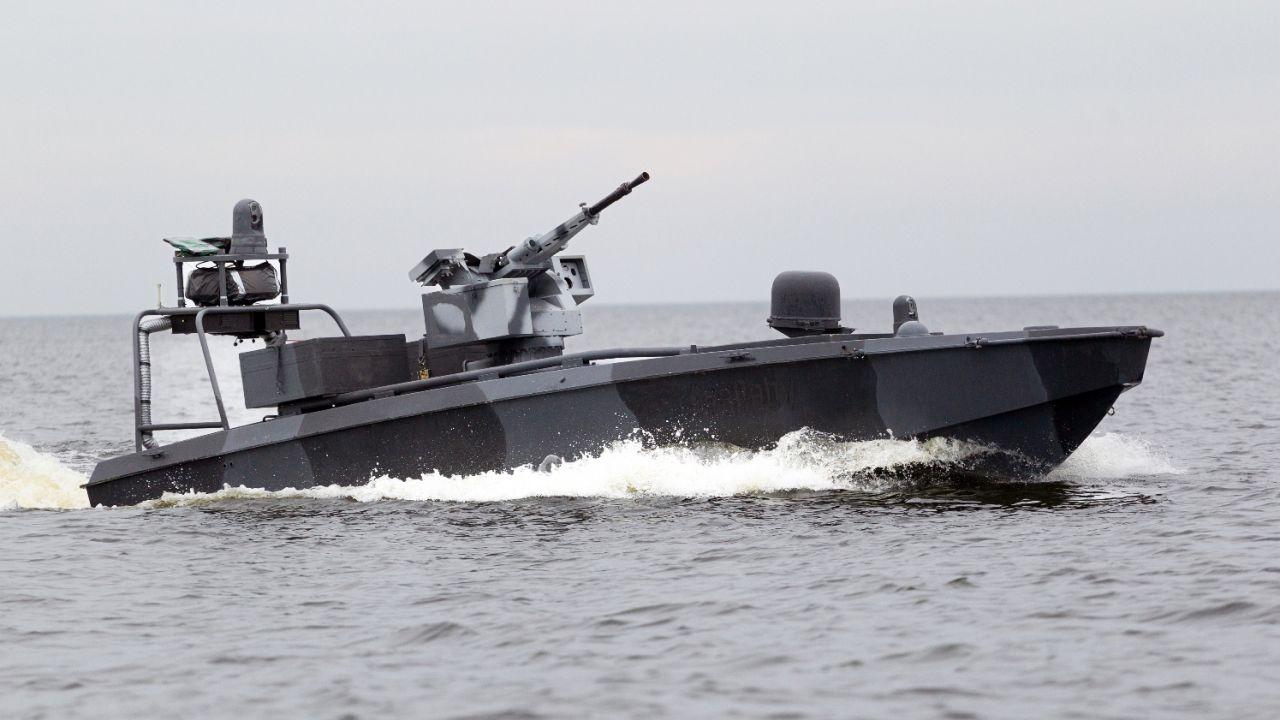
Ukrainian Marine Drone Explodes Near Constanta Oil Terminal, Romania Reports No Casualties
21 sources compared

Bangladesh Foreign Minister Khalilur Rahman Defeats Cyprus’ Andreas Kakouris for UN General Assembly Presidency
12 sources compared