
'Our children paid the ultimate price' – How the Dunblane school shooting changed Britain
Dunblane massacre summary
On the morning of Wednesday 13 March 1996, Thomas Hamilton, a 43-year-old Stirling man, entered the gymnasium at Dunblane primary school and, over the course of less than four minutes, murdered 16 children and their teacher, Gwen Mayor.
“- Published Even after 30 years, the facts of the Dunblane massacre are hard to comprehend”
Another 12 children and three adults were either shot or injured, and all but two of the children attacked that day were aged five and six.
Witnesses and survivors described Hamilton as dressed in combat gear and shooting continuously; he fired 105 bullets, carried 743 rounds of ammunition and four handguns (two 9mm Browning semi-automatic pistols and two Smith & Wesson .357 magnum revolvers), and shot himself dead at the end of the attack.
The BBC Scotland documentary Dunblane: How Britain Banned Handguns looks back at what happened and speaks to those affected as the 30th anniversary approaches.
Dunblane aftermath and response
The massacre prompted immediate shock, local confusion and intense media attention.
Michael Forsyth, Scottish secretary in John Major's Conservative government and the local MP, and George Robertson, his Labour opposite number who lived in the town, travelled to Dunblane; both had prior contact with Hamilton.
Survivors and parents recounted the anguish of learning which children had died — Kenny and Pam Ross lost their five-year-old daughter Joanna, and Mick North lost his daughter Sophie.
In the days after the killings three local women — Ann Pearston, Jacqueline Walsh and Rosemary Hunter — formed the Snowdrop Campaign to demand a total ban on handguns; their petition gathered 705,000 signatures and the organisers faced both national attention and death threats.
Dunblane handgun law response
The government launched a public inquiry chaired by Lord Cullen, which published a report with 28 recommendations but did not call for an outright handgun ban, instead proposing measures such as dismantling and separate storage.
“- Published Even after 30 years, the facts of the Dunblane massacre are hard to comprehend”
Home Secretary Michael Howard declined to pre-commit to implementing the report's findings.
The Conservative government accepted Cullen's recommendations and went further, initially restricting almost all handguns through the Firearms (Amendment) Act which became law in February 1997.
After Labour won the May 1997 general election, it legislated again and the amended act banning handguns passed in November 1997.
Three decades on, the people of Dunblane continue to mark the anniversary privately, and those who campaigned see the legislation as a hard-won response to the massacre.
Key Takeaways
- On 13 March 1996 a gunman entered the Dunblane primary school's gymnasium.
- He murdered 16 children and their teacher in under four minutes.
- Another 12 children and three adults were shot or injured in the assault.
More on Britain
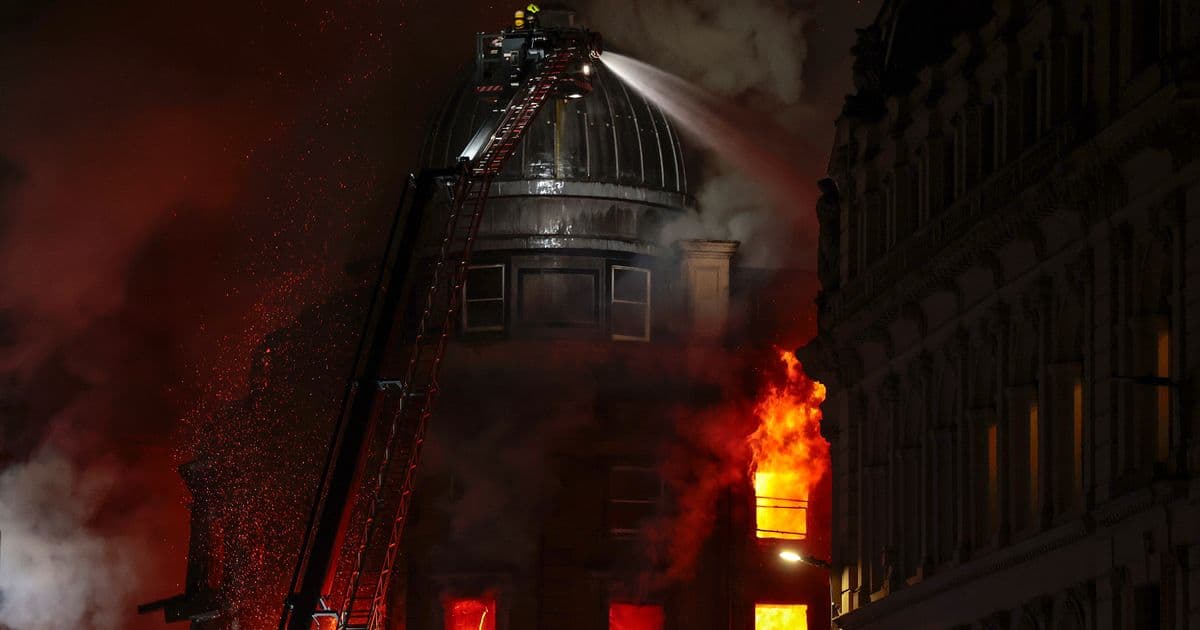
Vape Shop Fire Destroys Historic Glasgow Building, Forces Closure of Scotland's Busiest Station
24 sources compared

Vape Shop Blaze Collapses Building, Shuts Glasgow Central and Halts Train Services
25 sources compared
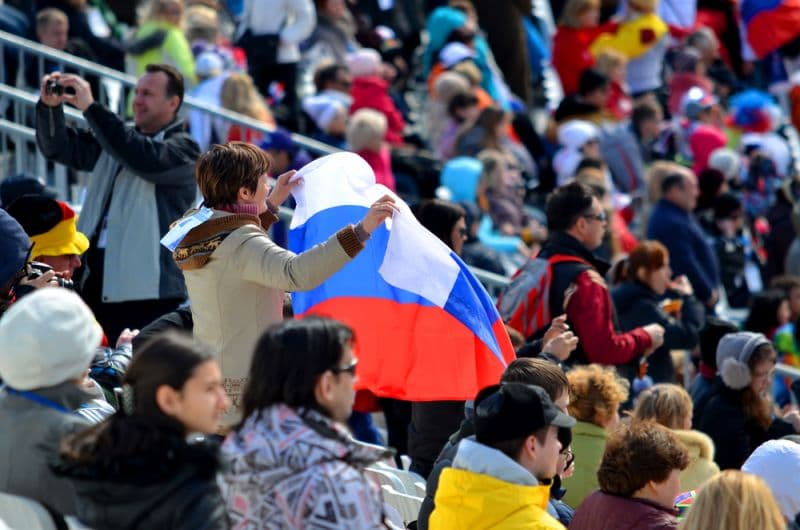
UK Government Boycotts Opening Ceremony After IPC Allows Russian, Belarusian Flags
13 sources compared
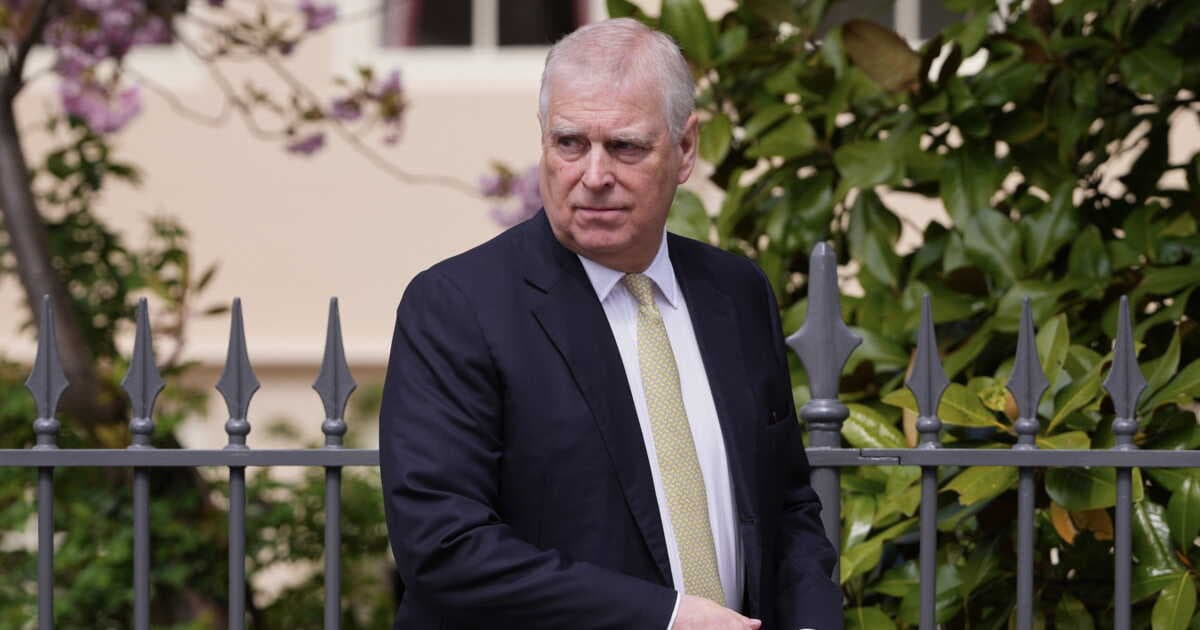
Canadian Prime Minister Mark Carney Calls To Remove Former Prince Andrew Mountbatten-Windsor From Royal Succession
13 sources compared