Pakistan18 March, 20263 min read
Pakistan, Afghanistan halt fighting for Eid al-Fitr after deadly Kabul strike
Pakistan and Afghanistan paused fighting ahead of Eid al-Fitr after Kabul blamed Islamabad for airstrike. Pause requested by Saudi Arabia, Qatar, and Turkey.
Eid Ceasefire Announcement
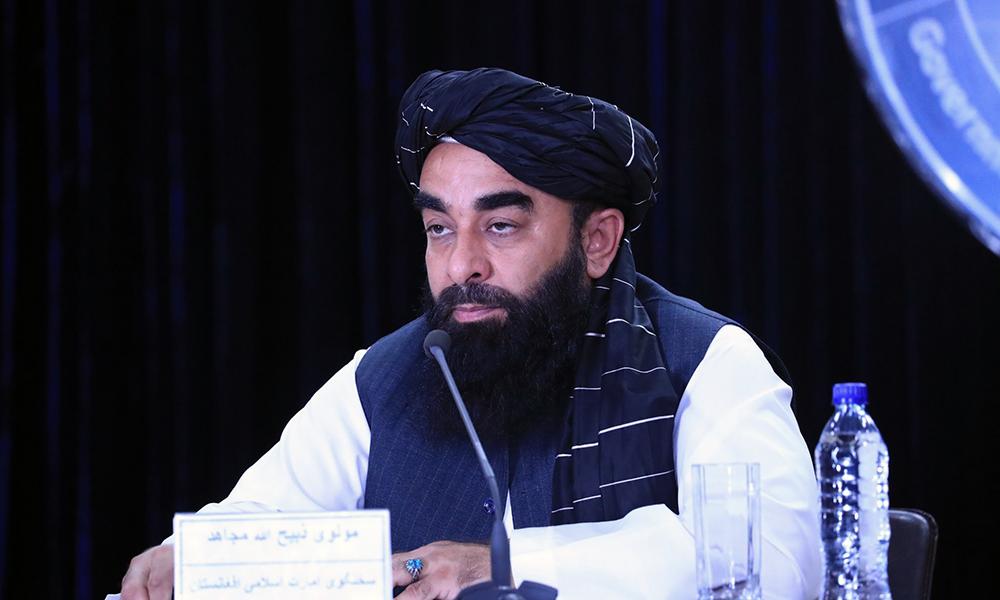
Pakistan and Afghanistan announced a temporary halt in fighting on Wednesday, March 18, 2026, for the Islamic festival of Eid al-Fitr. Both governments stated the pause was requested by Saudi Arabia, Qatar and Turkey. Pakistan's Information Minister Attaullah Tarar announced it would begin at midnight Wednesday and last until midnight Monday.
“Pakistan and Afghanistan on Wednesday declared a temporary pause in escalating fighting, two days after Kabul blamed Islamabad for a deadly airstrike in the Afghan capital that it said killed hundreds of people at a drug rehabilitation hospital.”
'Pakistan offers this gesture in good faith and in keeping with Islamic norms,' Tarar said. Operations would immediately resume 'with renewed intensity' if there were any cross-border attacks, drone strikes, or terrorist incidents inside Pakistan. The Afghan Taliban government, through spokesman Zabiullah Mujahid, announced a temporary suspension of defensive operations.
Afghanistan 'will respond courageously to any aggression in the event of a threat.' The announcements came after weeks of intense cross-border clashes that had alarmed the international community. The conflict had displaced over 100,000 people.
Deadly Hospital Strike
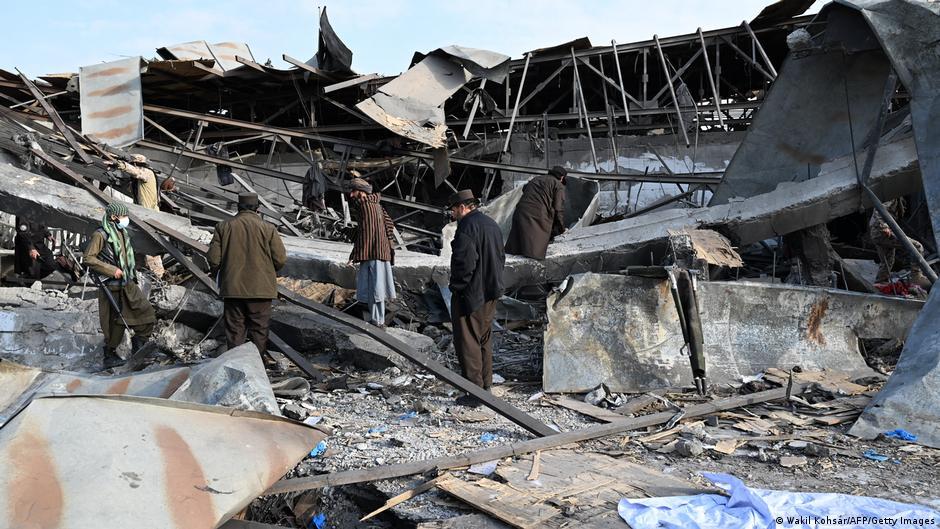
The temporary ceasefire follows a devastating Pakistani airstrike on Monday night that hit a drug rehabilitation center in Kabul. The Taliban government claimed more than 400 people were killed and 265 wounded. The United Nations Assistance Mission in Afghanistan (UNAMA) provided more conservative figures, estimating 143 people were killed and 119 wounded.
Pakistan rejected the Taliban's accusation that it deliberately targeted the Omid Addiction Treatment Hospital. Pakistan insisted its strikes were against 'military installations and terrorist support infrastructure.' The Pakistani military claimed the facility was used to store drones, equipment to launch drones, and 'reportedly also housed SCUD missiles of the Soviet era.'
The military also claimed it was used for training suicide bombers. 'There are enough elements to confirm that this was a civilian facility that was hit,' said Jacopo Caridi, country director for the Norwegian Refugee Council in Afghanistan. Independent experts agreed that establishing the truth without a third-party investigation was challenging given the competing claims.
Mass Funeral Ceremony
Afghan authorities held a mass funeral on Wednesday for some of the victims of Monday's devastating airstrike. Afghan Red Crescent Society volunteers carried dozens of simple wooden coffins from a fleet of ambulances to a mass grave in Kabul. The ceremony took place on a rainswept hillside where giant excavators had dug graves in the rocky ground.
“Afghan Red Crescent Society volunteers carried dozens of simple wooden coffins from a fleet of ambulances to a mass grave in Kabul, dug in the rocky ground of a rainswept hillside by giant excavators. At the graveside, Interior Minister Sirajuddin Haqqani said they were innocent victims targeted by 'criminals,' days before the end of the Muslim holy month. 'We will take revenge,' he added and warned those behind Monday night's bombing: 'We are not weak and helpless. You will see the consequences of your crimes.'”
At the graveside, Afghan Interior Minister Sirajuddin Haqqani addressed mourners. Haqqani said they were innocent victims targeted by 'criminals' and declared 'We will take revenge.' He warned those behind Monday night's bombing: 'You will see the consequences of your crimes.'
Despite his harsh rhetoric, Haqqani also suggested that diplomacy was preferred. Interior ministry spokesman Abdul Mateen Qani clarified that the ceremony was for identified victims.
Some victims were sent back to their home provinces for burial. Health ministry spokesperson Sharafat Zaman told AFP that 50 coffins had been brought to the Kabul site on Wednesday.
Escalating Conflict Context
The conflict between Pakistan and Afghanistan has escalated dramatically since late February. Pakistan launched 'Operation Ghazab lil Haq' in response to alleged attacks by Afghan Taliban forces. Pakistan accuses the Taliban authorities of providing safe haven for militants, particularly the Pakistani Taliban (TTP).
Afghanistan denies these accusations. The Pakistani military claims to have inflicted significant casualties, reporting at least 707 Afghan Taliban personnel killed. These figures cannot be independently verified.

The United Nations documented 76 civilian deaths and 213 injuries in Afghanistan between February 26 and March 16. Former Afghan president Hamid Karzai accused Pakistan of trying to create 'anarchy and weakness' in Afghanistan.
Karzai described Islamabad's policies as aimed at keeping Afghanistan unstable. The International Union of Muslim Scholars condemned the attack on the medical facility.
Mediation and Future Prospects
The temporary Eid ceasefire represents the latest diplomatic effort to halt the violence between Pakistan and Afghanistan. Saudi Arabia, Qatar and Turkey are playing key mediating roles. These three Islamic countries had been trying to mediate since February.
“The three countries have been trying to mediate a cessation of hostilities since Afghanistan and Pakistan renewed cross-border fighting in February, and had also been involved in helping broker a ceasefire between the two last October.”
They had also helped broker a ceasefire last October. Despite mediation efforts, the conflict has continued to escalate. The United Nations estimates more than 115,000 families have been forced from their homes.
The International Union of Muslim Scholars called on Pakistan to 'immediately halt such attacks.' Both sides face mounting international pressure to de-escalate.
Al-Qaeda, Islamic State and other militant groups remain active in the region. The temporary nature suggests underlying tensions remain significant.