Pakistan Army Chief Arrives in Tehran to Mediate Second Round of US-Iran Talks
Key Takeaways
- Pakistan army chief Asim Munir arrives in Tehran leading delegation to mediate US-Iran talks.
- Delegation aims to plan a second Iran-US round and relay Washington's messages.
- Iranian Foreign Minister Abbas Araghchi receives Munir amid mediation efforts.
Pakistani Mediation
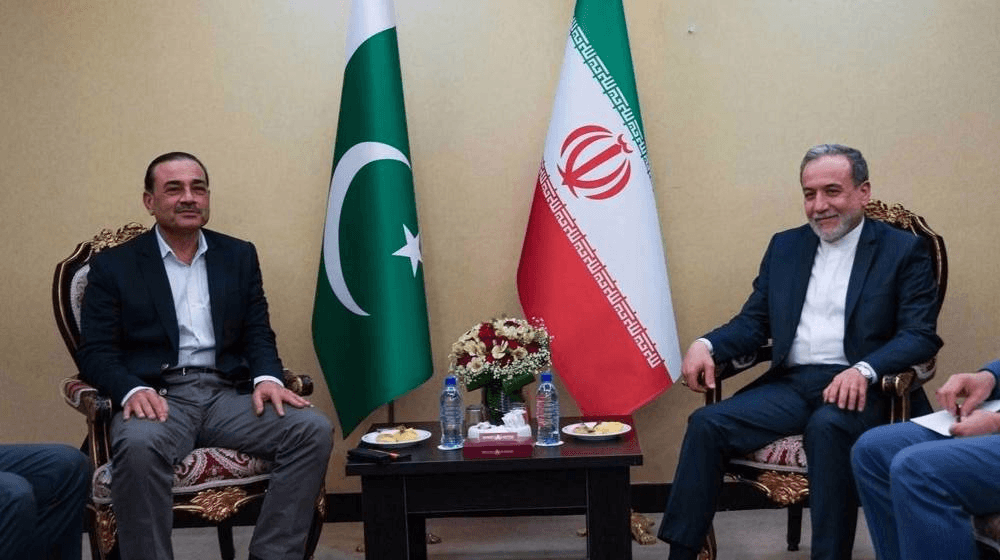
Pakistan's army chief arrived in Tehran to lead a high-level delegation aimed at arranging a second round of US-Iran talks.
“Pakistani army chief in Tehran amid bid to restart US talks A high-level Pakistani delegation has travelled to Iran to hold talks focused on arranging a fresh round of negotiations between Iran and the United States, a week before their fragile truce is due to expire”
Munir was accompanied by Interior Minister Mohsin Naqvi and other senior security officials.

Iranian Foreign Minister Abbas Araghchi received Munir upon arrival.
The Pakistani delegation carried a new message from Washington.
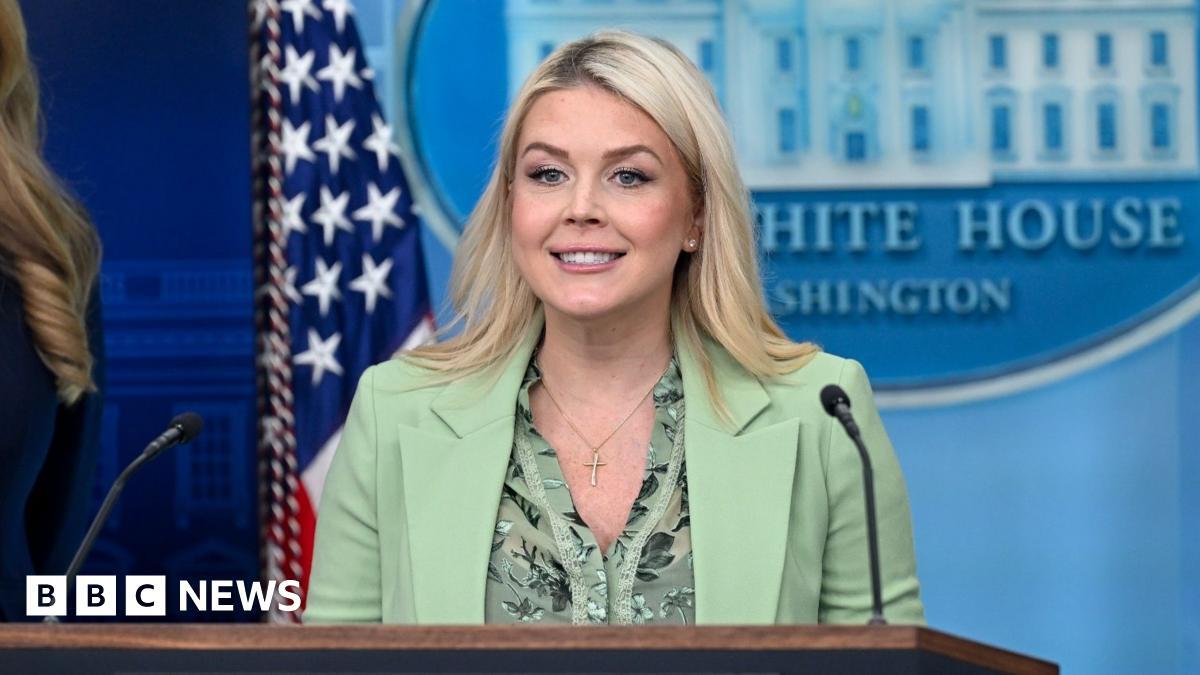
White House press secretary Karoline Leavitt said we feel good about the prospects of a deal.
The US naval blockade on Iranian ports remained in effect.
Key Sticking Points
Mediators were pushing for a compromise on three main sticking points.
Iran was open to discussing uranium enrichment but must be able to continue enrichment.

The US urged a 20-year moratorium.
Iranians rejected the US plan and countered with five years.
The war had killed at least 3,000 people in Iran.
Economic Pressure and Blockades
The US military blockade on Iranian ports continued for a third day.
CENTCOM stated it had completely halted economic trade going into and out of Iran by sea.
Nine vessels complied with direction from US forces to turn around.
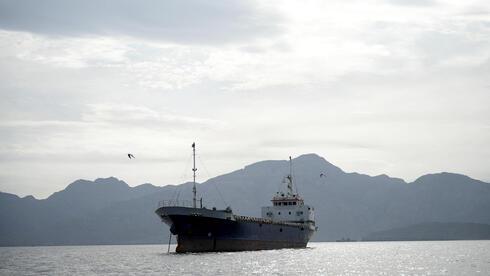
Iran's Fars News agency reported an Iranian supertanker crossed the strait despite the blockade.
Iran's armed forces threatened to block shipping if the US continued its blockade.
Treasury Secretary Scott Bessent said the US would not renew waivers.
Regional and Global Impact
The war had spiraled across the Middle East.
The UN peacekeeping mission reported one of its convoys was stopped by Israeli forces.
Finance ministers from almost a dozen countries called on the US, Israel, and Iran to implement their ceasefire.
Oil prices fluctuated as the Strait of Hormuz remained effectively closed.
Trump said the world should brace for an amazing two days.
More on Iran
Trump Administration Optimistic as Pakistan Mediates Ongoing Iran Peace Talks
14 sources compared
British Chancellor Rachel Reeves Calls US War on Iran a Mistake That Endangers Global Safety
17 sources compared
Iran Threatens to Disrupt Red Sea and Gulf Shipping Over US Hormuz Blockade
11 sources compared
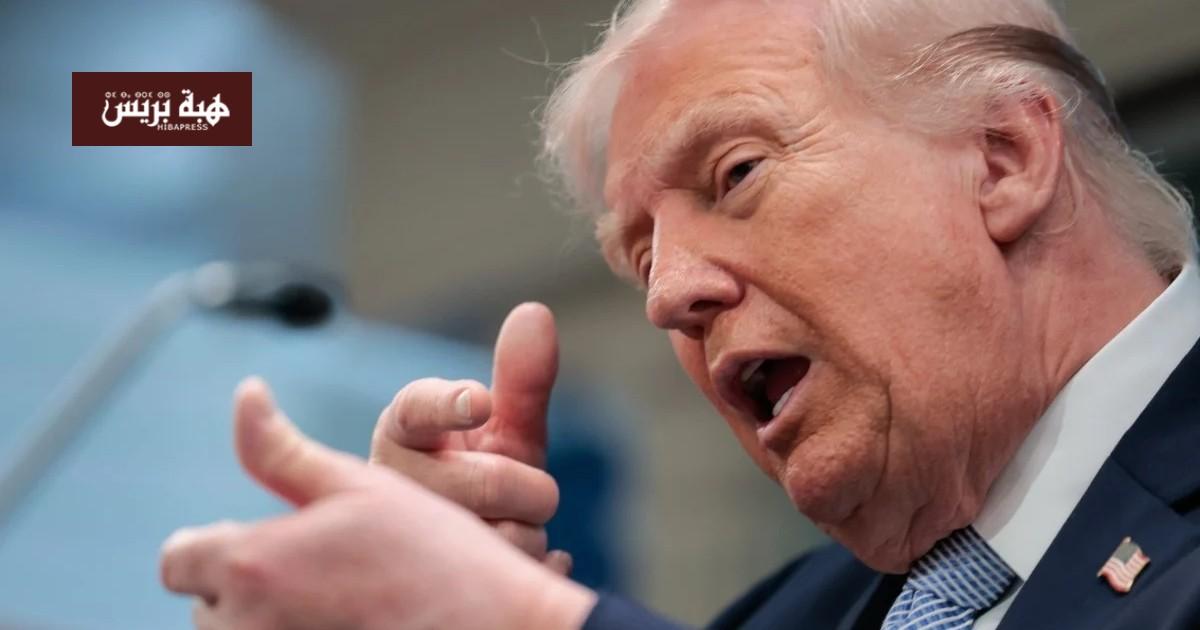
Trump Declares Iran War Close To Over Amid U.S. Naval Blockade And Iranian Threats
16 sources compared