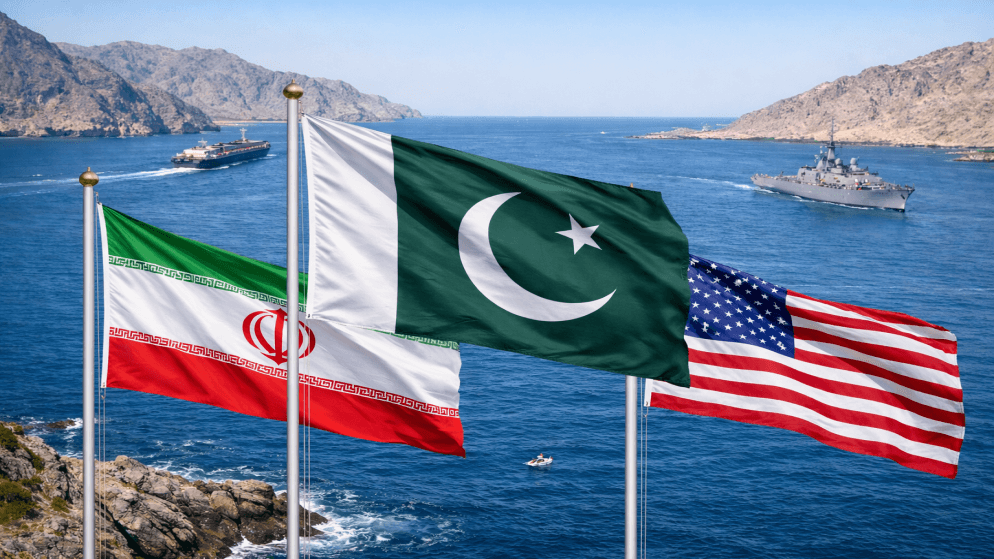
Pakistan Brokers US-Iran Two-Week Ceasefire, Opening Negotiations
Key Takeaways
- A two-week US-Iran ceasefire was agreed, brokered by Pakistan.
- Pakistan hosted negotiations in Islamabad, facilitating direct talks between Iran and the US.
- The ceasefire is temporary and aims to advance broader negotiations to end the conflict.
Pak's Mediation Success
Pakistan brokered a surprise two-week US-Iran ceasefire after nearly six weeks of bombing.
“Islamabad, Pakistan – Just under 90 minutes remained until United States President Donald Trump’s deadline to destroy Iran’s “civilisation” late on Tuesday in Washington, DC, when he took to his favourite social media platform, Truth Social, again”
Trump announced he agreed to a ceasefire based on conversations with Pakistan's Prime Minister and army chief.

Iran's Foreign Minister confirmed the ceasefire, calling Pakistan's leaders my dear brothers.
The Guardian described Islamabad as having almost lost hope before the deal.
The Express Tribune hailed it as a victory for diplomacy and dialogue.
Contested Terms and Regional Reaction
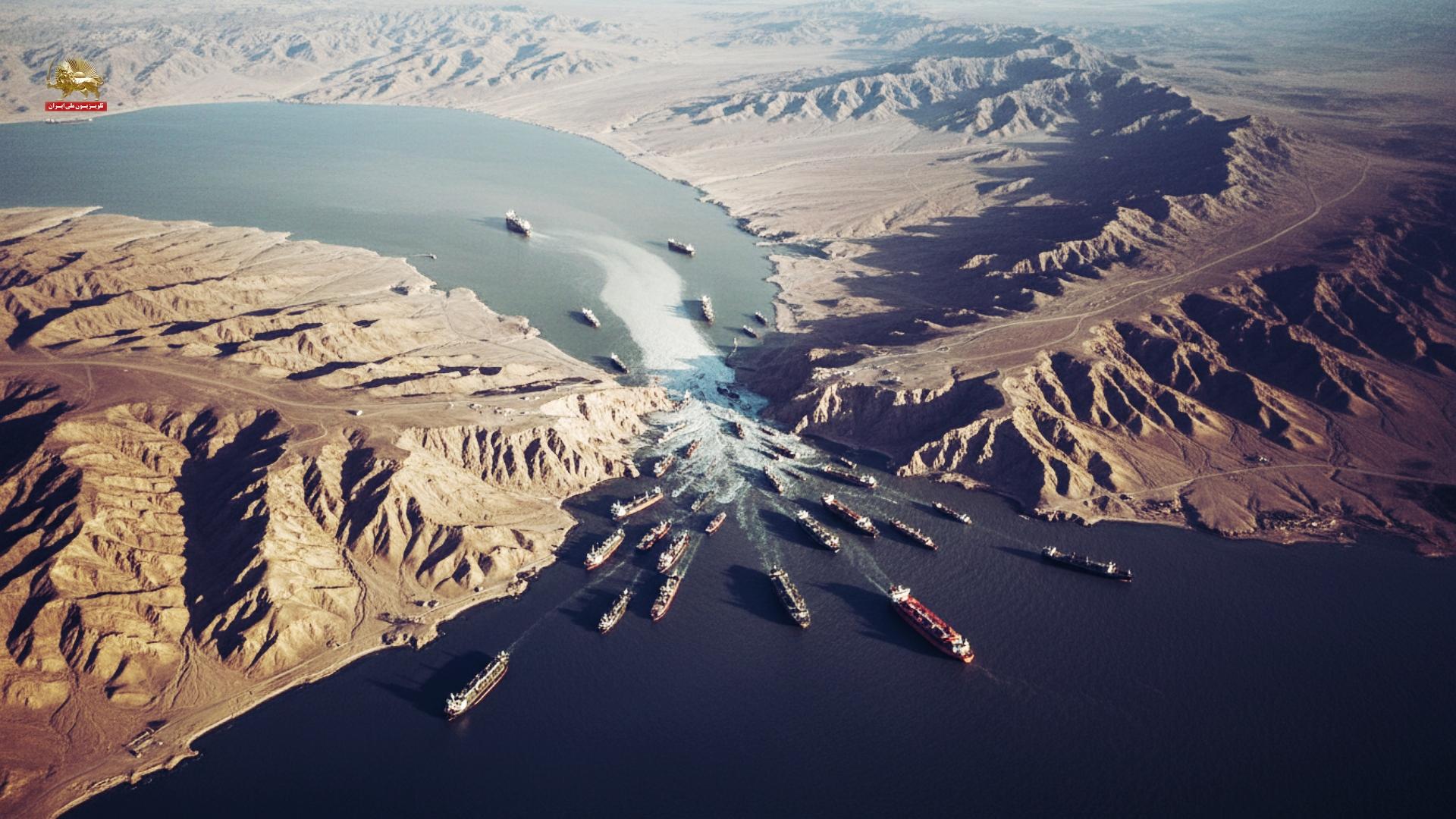
Significant questions remained about the ceasefire's terms, including how the Strait of Hormuz would be managed.
Members of the Pakistani-led quadrilateral would facilitate the talks.
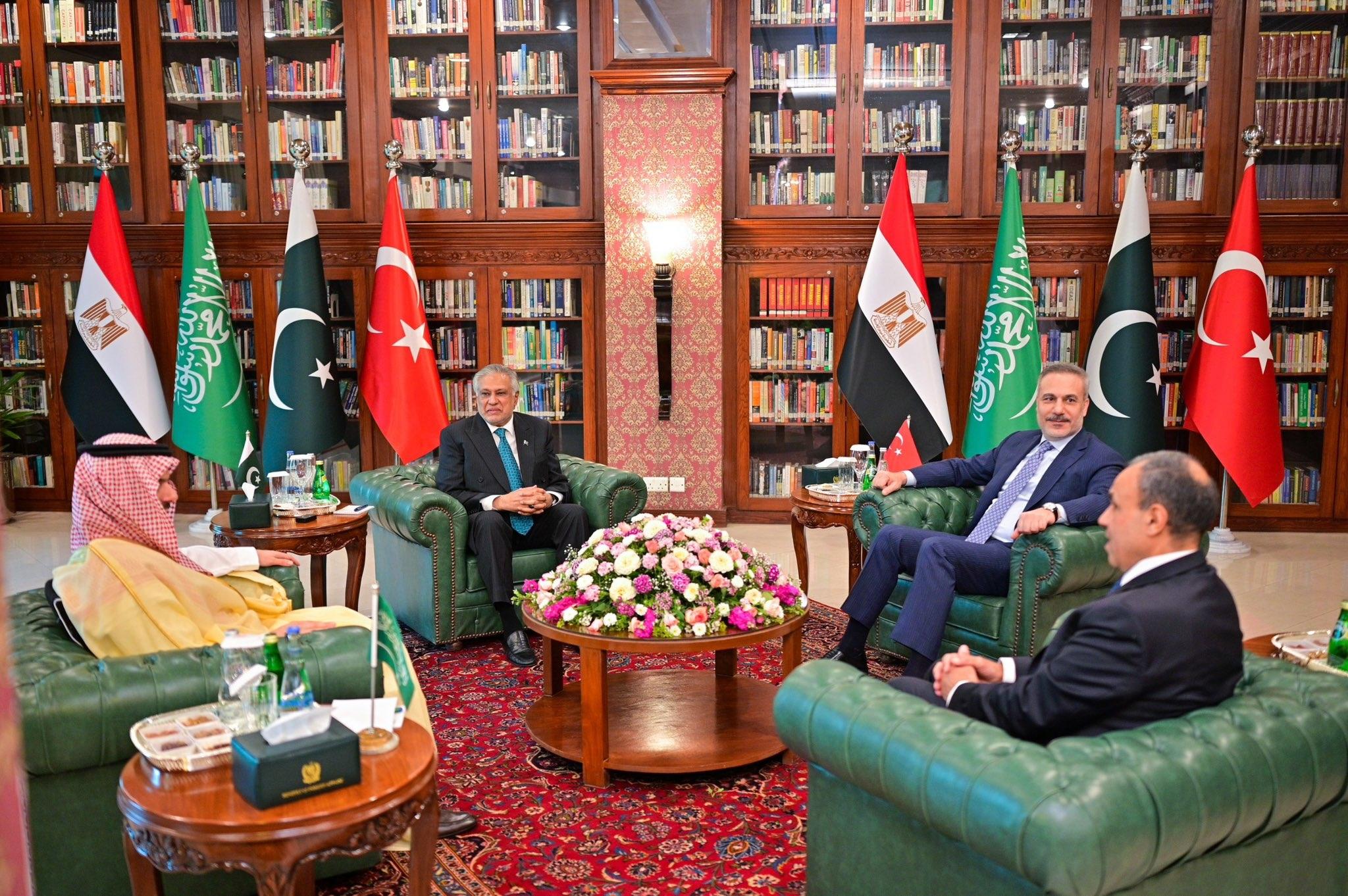
However, missile attacks and strikes on infrastructure continued across the region.
Israel and Iran exchanged fire as multiple Gulf states activated defenses.
Pakistan blamed Israel for trying to spoil the talks by attacking Tehran.
Pakistan's Regional Role
The ceasefire thrust Pakistan into an unexpected diplomatic centrality.
“How Pakistan helped secure a fragile ceasefire between the US and Iran In the hours before the two-week ceasefire between Iran and the US was announced, there were some small signs of hope from Pakistan”
Pakistan’s deepening ties with Saudi Arabia and coordination with the US suggest a loose strategic alignment.
Pakistan and Iran share more than 900 kilometers of border and relationships dating back to 1947.
The stakes were painfully clear for Pakistan's economy and national security.
Pushback and Continued Risks
Despite the ceasefire, risks persisted across the Gulf within hours.
Israeli strikes killed dozens of civilians in Tehran and Qom just hours before the ceasefire.

Pakistan had to balance facilitation with protecting Gulf partnerships.
The international community appeared cautiously optimistic.
More on Iran
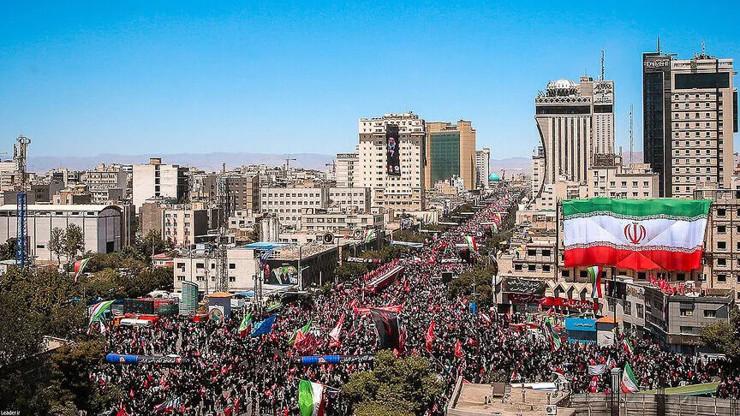
Israeli Strike Kills Ayatollah Ali Khamenei, Buried at Imam Reza Shrine in Mashhad
19 sources compared
Iran Attempts To Restore Nuclear Sites Damaged In US And Israel Strikes, CNN Satellite Images Show
15 sources compared
Abbas Araghchi and Prince Faisal Bin Farhan Discuss Regional Developments After US Attacks
11 sources compared

Trump Says U.S. Agreed to Continue Iran Talks, Ceasefire Is Over
19 sources compared