Pakistan Hosts Historic US-Iran Talks Amid Fragile Ceasefire After 40-Day War
Key Takeaways
- Islamabad hosts talks aimed at a permanent ceasefire after a 40-day war and two-week truce.
- U.S. delegation led by Vice President Vance; Iran's attendance not yet confirmed.
- Security measures include deployment of troops and a two-day public holiday in Islamabad.
Historic Talks
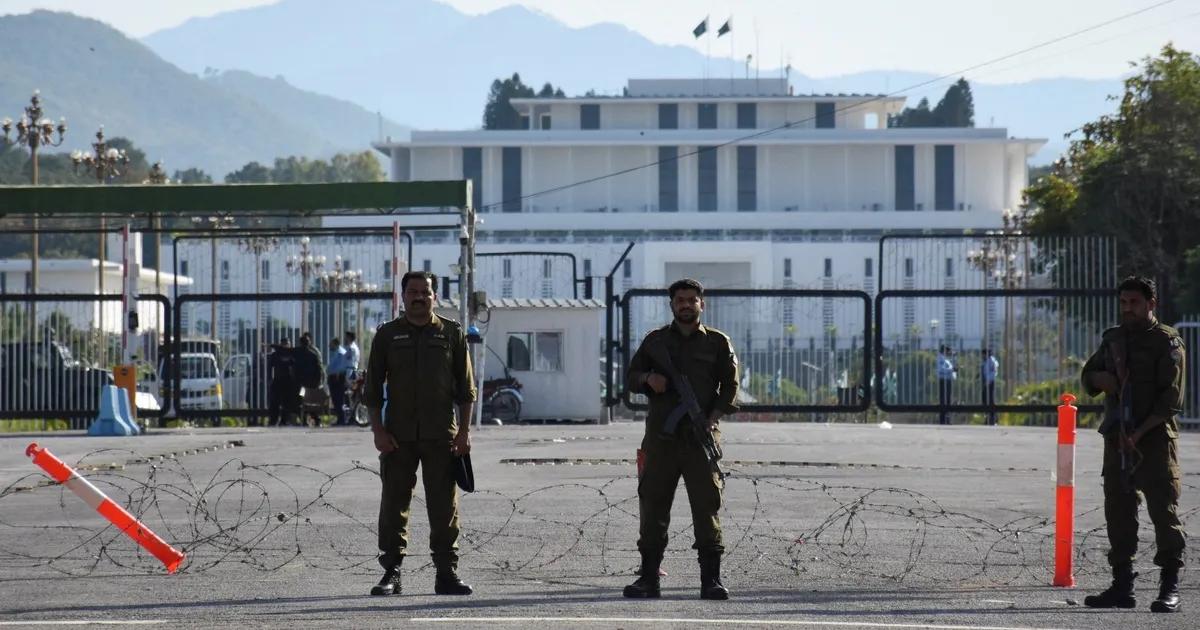
Pakistan prepared to host historic negotiations between Iran and the United States.
The US delegation was led by Vice President JD Vance, special envoy Steve Witkoff, and Jared Kushner.

Iran's delegation was expected to include Parliament Speaker Mohammad Bagher Ghalibaf and Foreign Minister Abbas Araghchi.
Pakistan declared a two-day public holiday and implemented strict security measures.
Key questions remained over whether the ceasefire covered Israel's invasion of Lebanon.
Ghalibaf warned that two measures have yet to be implemented: a ceasefire in Lebanon and the release of Iran’s blocked assets.
Divergent Ceasefire Views
The ceasefire brokered by Pakistan became a source of contention.
Iran and Pakistan insisted it covered all fronts including Lebanon, while the US and Israel denied this.

Ghalibaf conditioned the start of negotiations on a ceasefire in Lebanon and the release of frozen Iranian assets.
Netanyahu authorized negotiations with Lebanon with the aim of disarming Hezbollah.
Israel refused to discuss a ceasefire with Hezbollah, which continued to attack Israel.
Lebanon's presidency announced a meeting with Israel in Washington next week.
Key Negotiation Issues
The talks were expected to cover Iran’s nuclear enrichment and the Strait of Hormuz.
Trump said his main focus was curtailing Iran’s nuclear program: No nuclear weapon. That’s 99% of it.
Iran began sharing a 10-point list that included demands the US could never agree to.
Trump and his team had their own 15-point proposal.
The divergent proposals underscored the yawning gaps between the two sides.
Economic and Human Costs
The war has left thousands dead and caused global economic devastation.
Iran’s blockade of the Strait of Hormuz led to a global shortage of oil and gas.

The spot price of Brent crude was around $97, up more than 30% since the war started.
Before the conflict, over 100 ships passed through the strait each day; with the ceasefire, only 12 have been recorded.
An Iowa farmer told CBS News the cost of farm diesel had risen from $1.89 to $4.17.
Israel's strikes killed more than 300 people in Lebanon in one day.
More on Iran
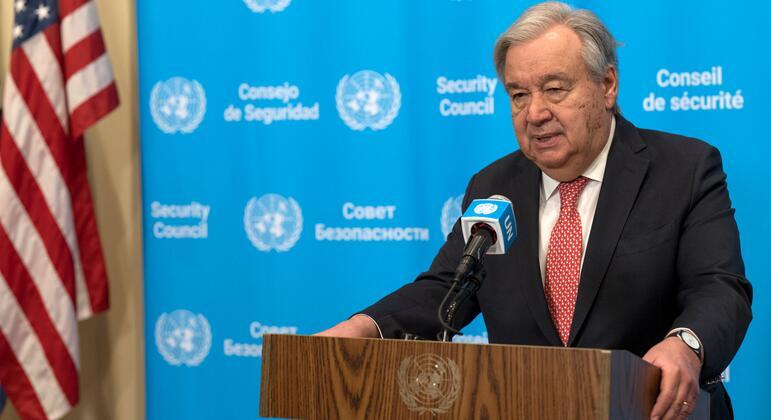
UN Secretary-General Welcomes US-Iran Talks Mediated by Pakistan Amid Fragile Ceasefire
13 sources compared

US and Iran Begin High-Stakes Peace Talks in Pakistan Amid Fragile Ceasefire
30 sources compared
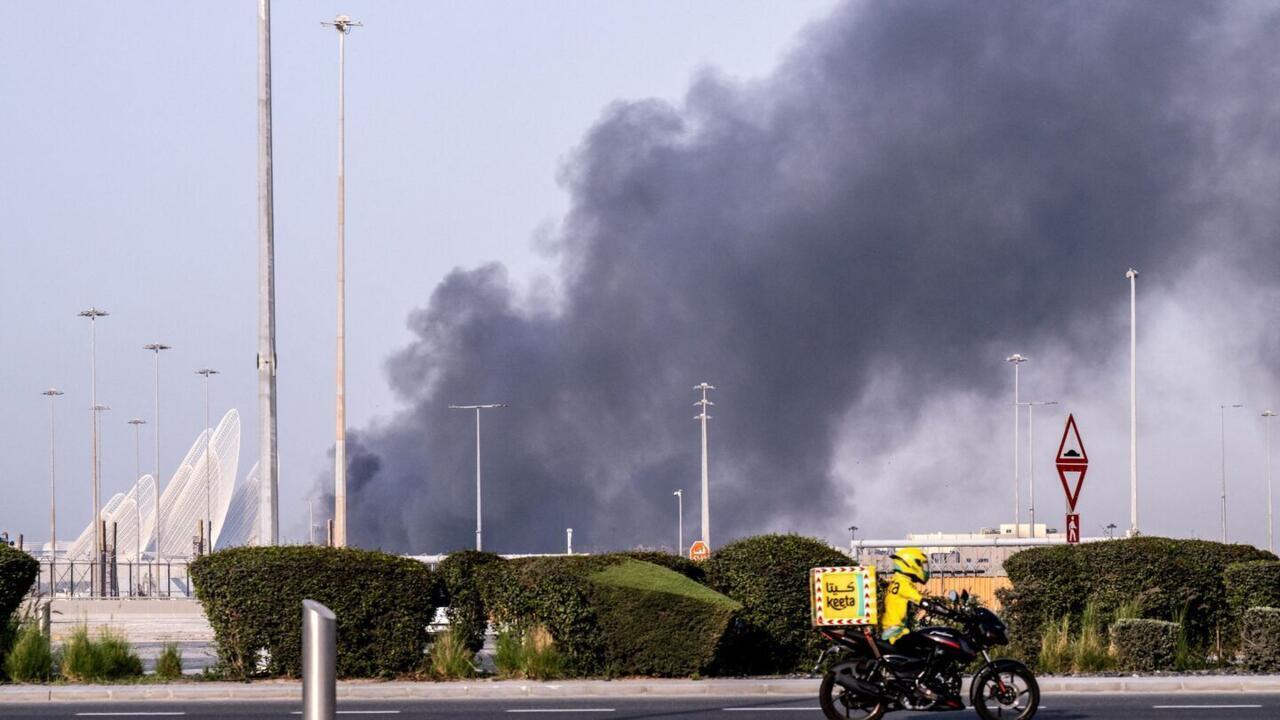
Qatar Shoots Down Two Iranian Su-24 Jets Amid Missile and Drone Attacks
10 sources compared
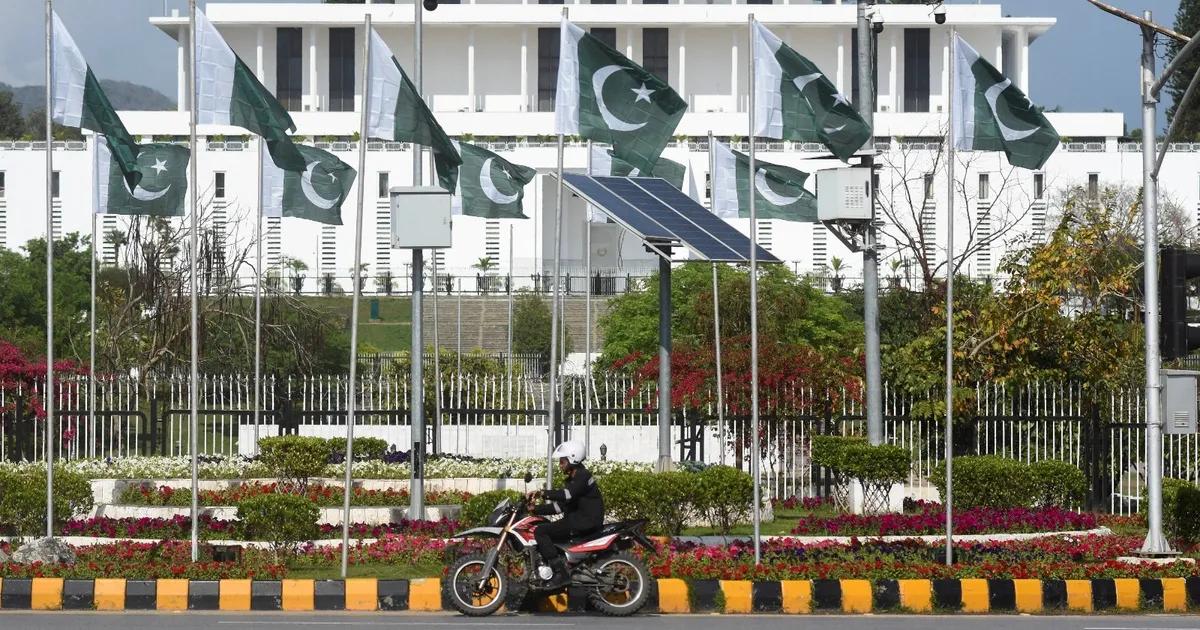
Iran Demands Ceasefire In Lebanon And Asset Release Before Pakistan Talks With US
24 sources compared