
Pakistan Hosts Quad Talks To Channel U.S. 15-Point Peace Framework To Iran
Key Takeaways
- Islamabad to host Saudi Arabia, Türkiye, and Egypt foreign ministers for Iran-war talks.
- Pakistan positions as mediator and offers to host future US-Iran negotiations.
- Talks aim to de-escalate regional tensions amid the Iran war.
Quad talks in Islamabad
Pakistan’s decision to host a quad meeting of Saudi Arabia, Turkey, and Egypt in Islamabad marks a concrete shift toward formal diplomatic mediation in the Iran-related conflict, expanding Islamabad’s role beyond shuttle diplomacy.
“Pakistan to host Saudi, Turkey, Egypt for talks on Mideast war Pakistan has emerged as a key facilitator between Iran and the United States as the conflict drags on, serving as an intermediary for messages between the two sides”
The talks are scheduled for Sunday and Monday and are described as in-depth discussions on regional tensions.

Pakistan’s government presents the gathering as a chance to facilitate dialogue between Washington and Tehran as well as Gulf capitals, reflecting Islamabad’s active diplomatic outreach.
Analysts say the meeting could lay groundwork for future US-Iran talks by establishing a mechanism to de-escalate and manage tensions.
Plan specifics and scope
Four foreign ministers are set to discuss 'in-depth discussions on a range of issues, including efforts to de-escalate tensions in the region' over two days, with a particular emphasis on safeguarding critical energy and trade corridors.
The talks are framed as a concrete step toward 'de-escalation' with a view to avoiding broader regional conflict.
The Pakistani side is also seeking to position Islamabad as a venue for potential future US-Iran negotiations.
In short, the meeting is being presented not as a mere talk-shop but as a test-bed for a structured de-escalation mechanism.
15-point plan and Iran ties
A major new dynamic is the possible direct US-Iran track: Washington has pushed a 15-point peace framework; Iran’s response is reportedly routed through Islamabad, while Tehran denies direct talks with Washington.
“Pakistan will host high-level talks with Saudi Arabia, Turkiye, and Egypt starting Sunday, as regional powers intensify diplomatic efforts to contain the escalating conflict involving Iran”
The National notes that the White House sent a 15-point framework for a peace deal to Tehran via Pakistan.
WION reports that Iran has conveyed its response to Trump's 15-point peace proposal to end the war via Islamabad, highlighting Pakistan’s behind-the-scenes diplomatic engagement.
News.az also notes Iran’s review of a U.S. proposal aimed at ending the conflict and contrasts it with Tehran’s portrayal of the plan as unbalanced.
Energy security as driver
Pakistan has its own stake in the regional crisis, including an energy crunch.
Energy prices have soared as shipments from Gulf producers are cut off by an Iranian blockade of the Strait of Hormuz.
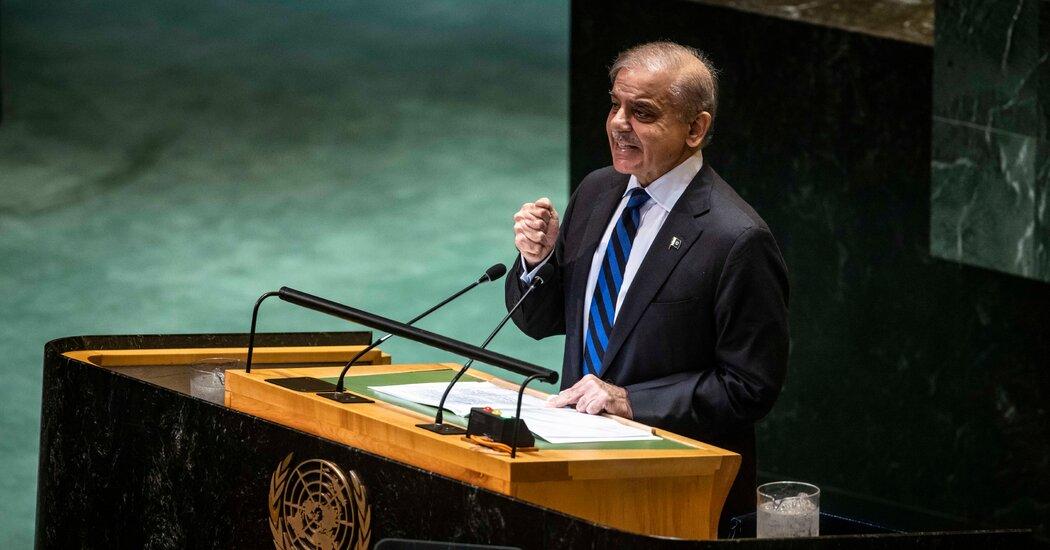
The four participating countries have expressed concern over the widening impact of the conflict, particularly its implications for global energy security and key shipping routes such as the Strait of Hormuz.
Pakistan’s emphasis on energy corridors is complemented by a push from its regional partners to protect critical trade routes.
Implications and next steps
Pakistan’s role as mediator could be reinforced if the talks yield a de-escalation mechanism and a pathway to broader negotiations.
“Live updates: Follow the latest news on US-Iran war Pakistan is set to hold talks with Egypt, Saudi Arabia and Turkey on Sunday, to discuss ways to the US-Israeli war on Iran that has affected the Gulf, as the conflict threatens to escalate after Yemen’s Houthi rebels launched a missile at Israel”
Commonspace.eu notes that Pakistan has offered to host future negotiations between Washington and Tehran.

The New York Times reports that German Foreign Minister Johann Wadephul said he expected a direct US–Iran meeting in Pakistan 'very soon'.
News.az contends the Islamabad meeting is a test of whether regional powers can build a coordinated diplomatic channel to reduce tensions and pave the way for broader negotiations.
More on Iran

Iran Allows 20 Pakistani-Flagged Ships Through Strait Of Hormuz
14 sources compared
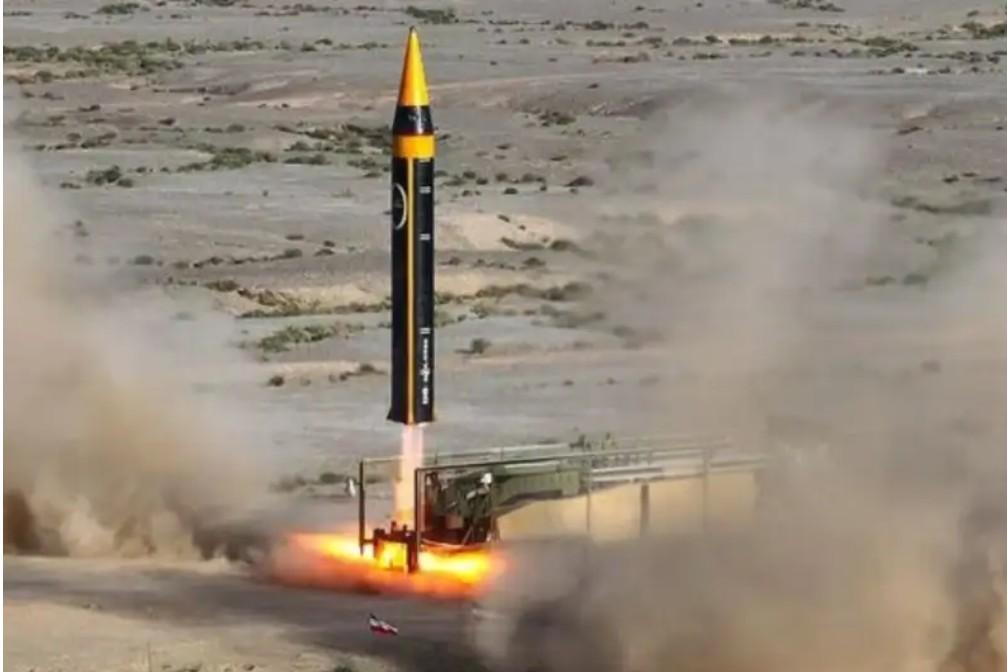
Houthis Formally Enter Iran-Israel War By Firing Missiles And Drones At Israel
16 sources compared
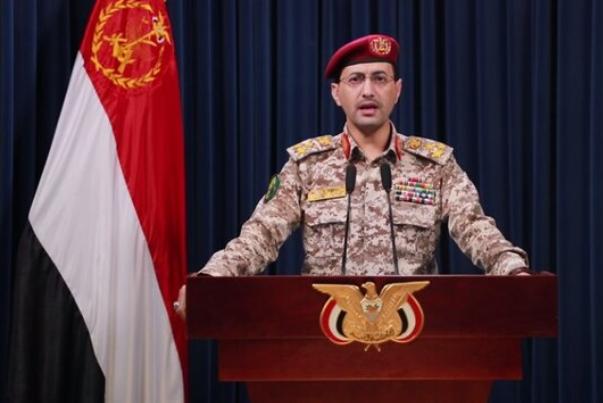
Houthis Launch First Missiles At Israel, Joining Iran War And Threatening Red Sea Routes
75 sources compared

Pentagon Plans Weeks-Long Ground Operations In Iran
21 sources compared