Pakistan Leads Regional Talks as Iran-US-Israel War Devastates Economies and Societies
Key Takeaways
- Pakistan hosts regional talks with US, Iran, and allies to de-escalate the war.
- Global economy experiences rising energy prices and volatility due to the Iran-Israel-US war.
- Emerging economies face IMF support needs as the crisis dims growth prospects.
Pakistan Hosts Four-Nation Talks
Pakistan hosted foreign ministers from Saudi Arabia, Turkey, Egypt, and Pakistan for consultations to halt the Middle East war.
Ishaq Dar expressed confidence in facilitating peace talks between Iran and the United States.

This came after a month of escalating violence.
War Shifts to Economic and Political Fronts
The US-Israeli campaign destroyed much of Iran's founding structure in a month.
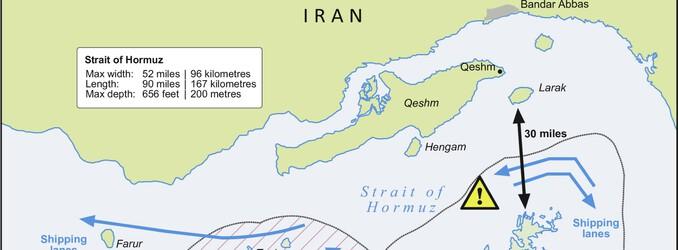
Iran retaliated by closing the Strait of Hormuz.
The Council on Foreign Relations warned the campaign was a high-risk gamble with unclear objectives.
Global Economy Reels
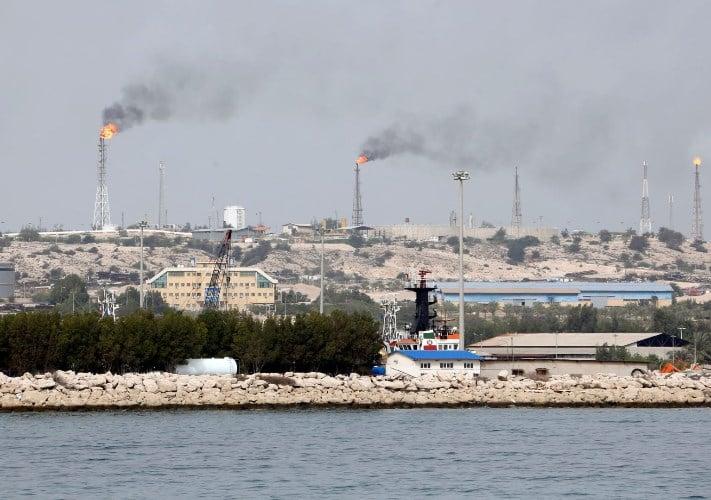
The Strait of Hormuz closure disrupted roughly 20 percent of global oil and LNG shipments.
Oil prices surged above $110 per barrel.
The IMF warned emerging economies could see GDP contractions between three and five percent.
Humanitarian Toll Mounts
The war displaced more than 12 million people across multiple countries.
The IRGC commander was killed in a US-Israeli strike on a Tehran hospital.
Israel faced increased risks as it was drawn into broader regional conflicts.
More on Iran

Spain Bans US Warplanes, Closes Airspace, Declares 'No' to Iran Strike
21 sources compared
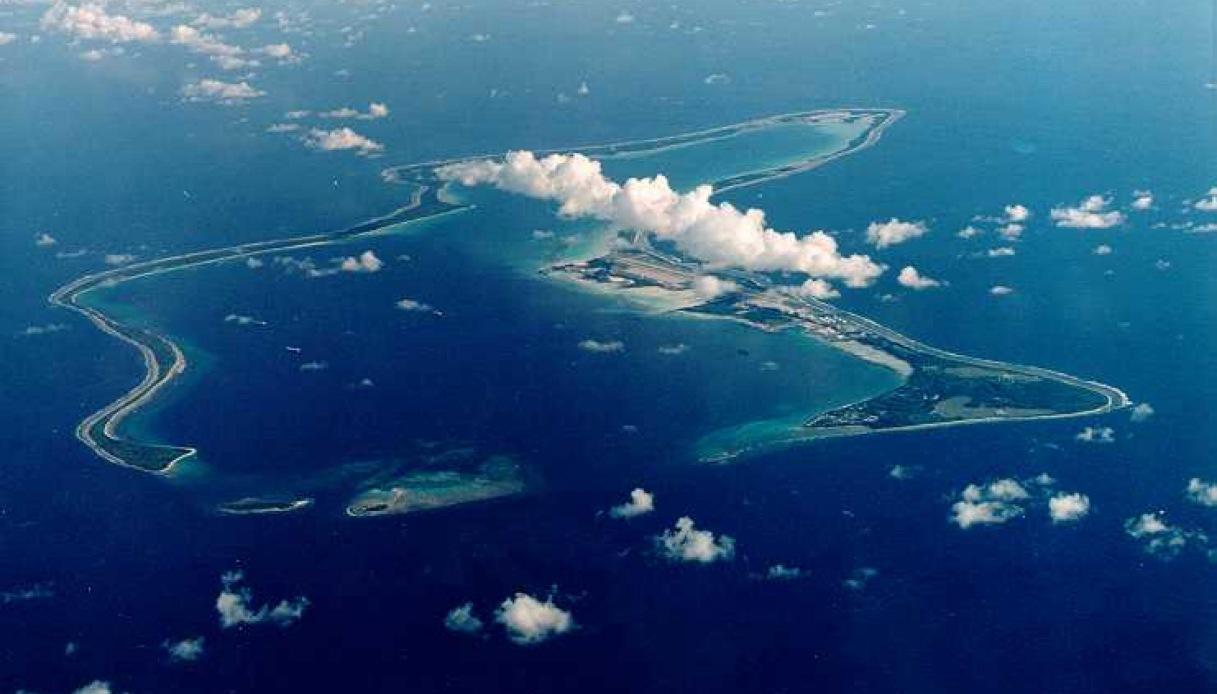
Israel Confirms Iran's Missiles Reach Berlin, Paris, Rome After Diego Garcia Strike
17 sources compared
Trump Sets 2-3 Week Iran Withdrawal Amid Contradictory Signals and Congressional Pushback
42 sources compared
Trump Extends Energy-Strikes Pause as US-Iran Peace Talks Begin
13 sources compared