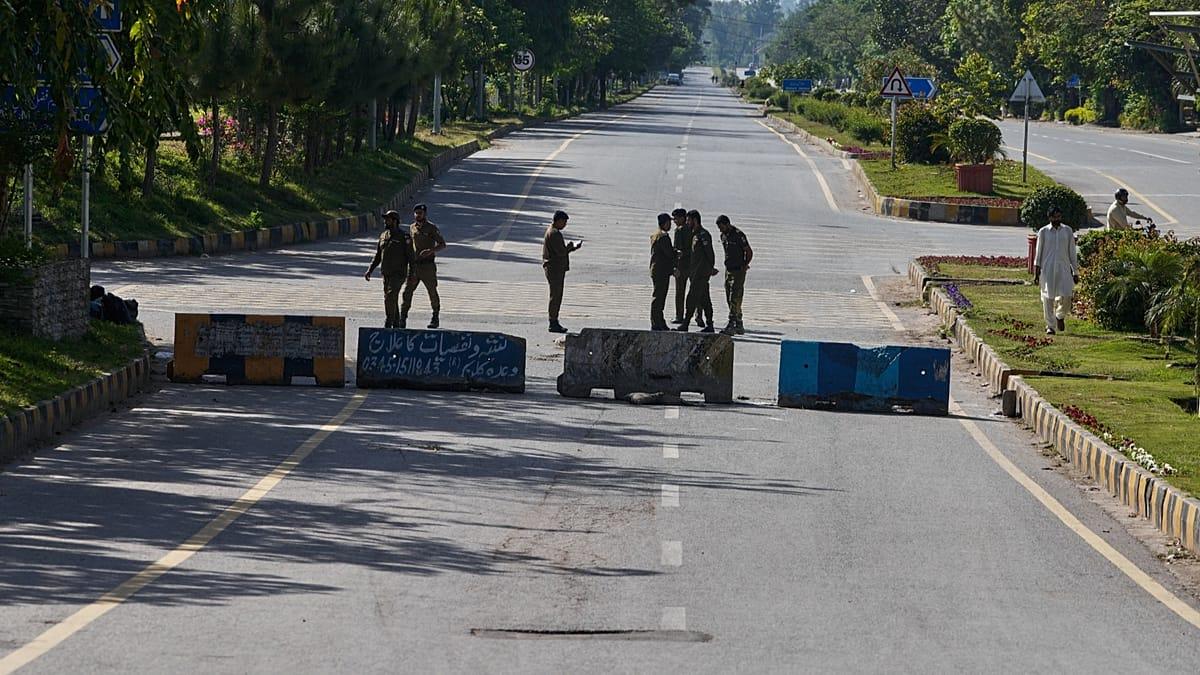
US Led By Vance Holds High-Stakes Peace Talks With Iran In Islamabad
Key Takeaways
- U.S. Vice President JD Vance leads delegation to Islamabad for talks with Iran.
- Pakistan mediates the negotiations between the United States and Iran.
- Ceasefire remains fragile as talks focus on Iran's uranium stockpile and Strait of Hormuz.
Historic US-Iran Talks
The United States and Iran engaged in high-stakes peace talks in Islamabad on March 15, 2025, marking the first direct negotiations since the war began.
Vice President JD Vance led the US delegation, accompanied by special envoy Steve Witkoff and Jared Kushner.
Iran was represented by Parliament Speaker Mohammad Bagher Ghalibaf and Foreign Minister Abbas Araghchi.
The talks aimed to address Iran's nuclear program, sanctions relief, regional security, and control over the Strait of Hormuz.
Trump told reporters the US would have the strait open fairly soon with or without Iran's cooperation.
The talks unfolded against a backdrop of continued Israeli strikes in Lebanon and Hezbollah rocket attacks in Israel.
Pakistan's Mediating Role
Pakistan emerged as a key mediator, hosting the talks and brokering the ceasefire.
Islamabad's role reflected its unique diplomatic network and longstanding ties with Iran.

Pakistani Prime Minister Shehbaz Sharif called the talks a make-or-break moment.
China played a behind-the-scenes role in persuading Iran to agree to the ceasefire.
The talks marked a significant diplomatic breakthrough after five weeks of intense conflict.
Core Issues and Obstacles
The talks faced significant obstacles, including divergent positions on Lebanon's inclusion in the ceasefire.
Iran's ten-point proposal called for control of the Strait of Hormuz and full lifting of sanctions.
The US had its own 15-point plan focused on Iran's commitment not to possess nuclear weapons.
Trump warned that if talks failed, the US would renew and intensify strikes.
The economic impact was severe, with oil prices soaring and supply chains disrupted.
An Iowa farmer told CBS News the cost of filling up had more than doubled since December.
Reactions and Next Steps
The talks were closely watched by global stakeholders, with cautious optimism tempered by deep mistrust.
Trump issued a cryptic social media post calling it the world's most powerful reset.
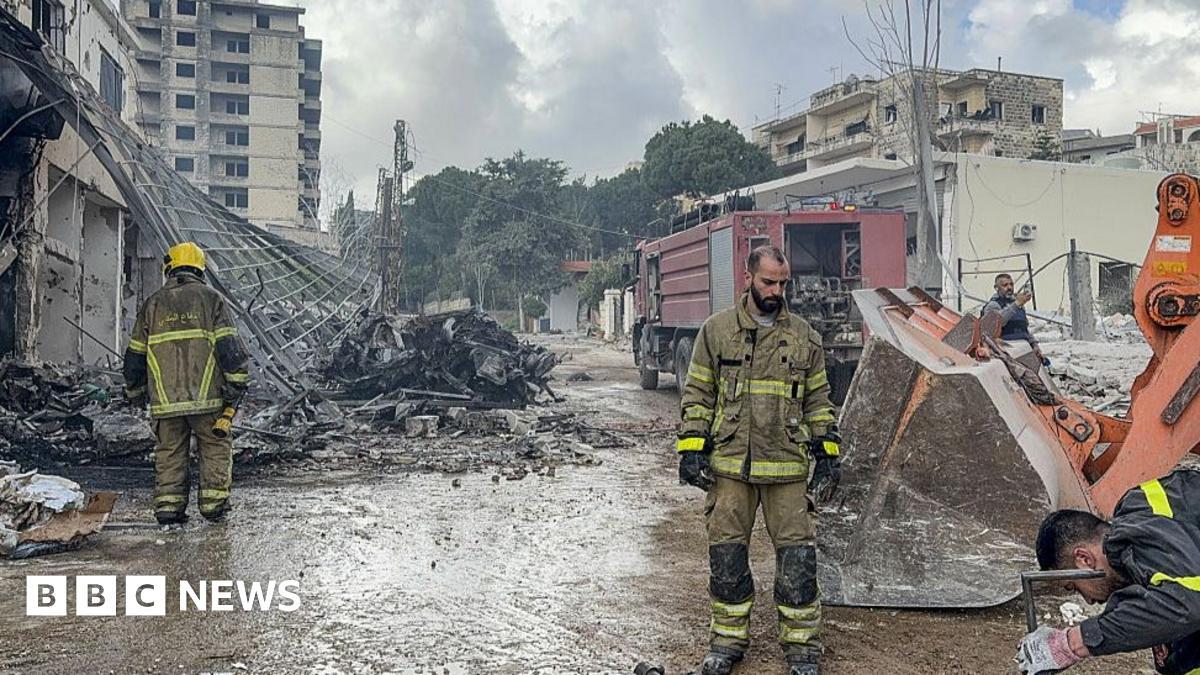
Lebanese and Israeli diplomats agreed to meet in Washington on Tuesday.
The outcome could determine whether the ceasefire evolves into a broader peace framework or collapses.
Analysts warned that Islamabad faced limitations in ensuring long-term enforcement.
The talks highlighted how regional conflicts are increasingly multilayered.
More on USA
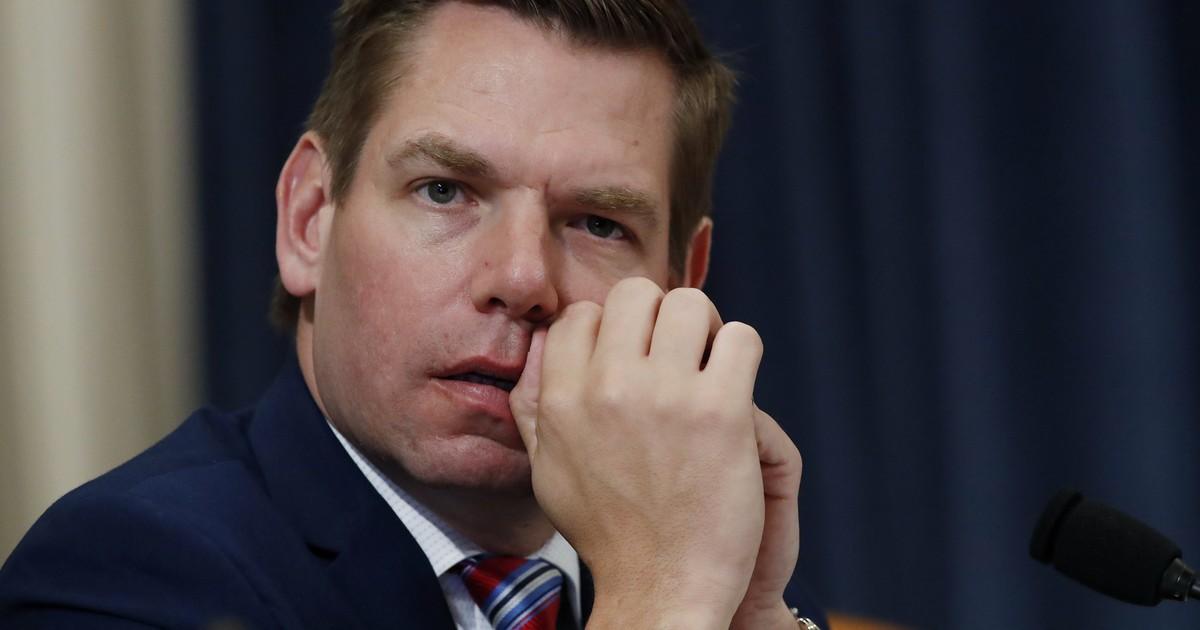
Eric Swalwell's California Governor Campaign Implodes After Former Staffer Accuses Him Of Sexual Assault
10 sources compared

Trump Administration Unveils Plans for 250-Foot Triumphal Arch Near Arlington
23 sources compared

White House Warns Staff Against Insider Trading on Iran War Prediction Markets
10 sources compared
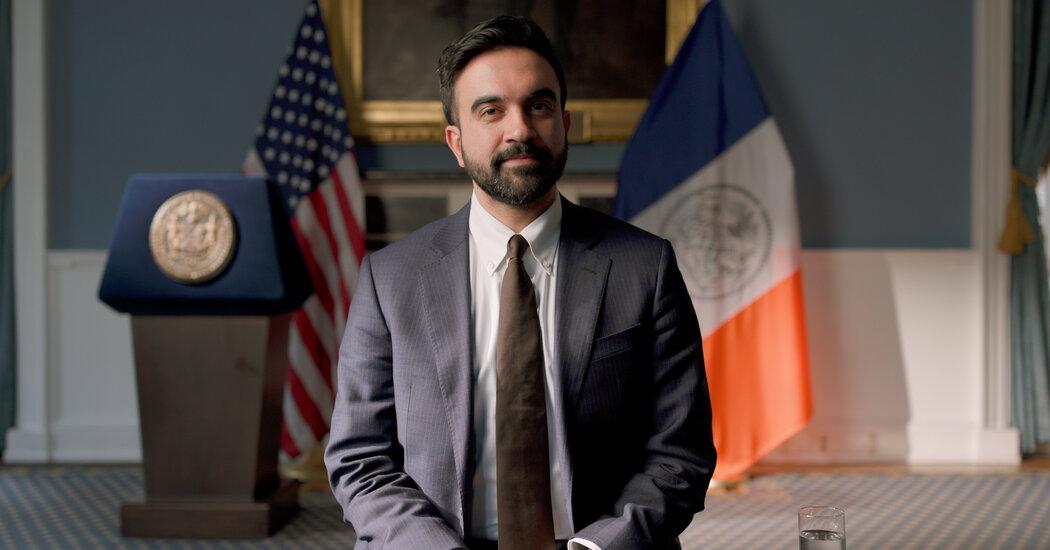
New York Mayor Zohran Mamdani Marks 100 Days With Childcare Wins, Broken Promises
10 sources compared