
PAN Alleges Morena Funds Grupos De Choque In Mexico, U.S.; Demands Halt To Protect USMCA
Key Takeaways
- Morena funds shock groups operating in Mexico City and U.S. cities.
- PAN CDMX leader accuses Morena of financing anti-US protests.
- The claim emerges amid the T-MEC renegotiation context.
Allegations of Morena funding
The single, most important new development in this set of articles is the explicit allegation by Mexico’s opposition PAN that Morena is funding 'grupos de choque' to operate in Mexico City and in U.S. cities, with a demand that Morena halt such funding to protect bilateral relations and the trajectory of the US‑Mexico trade agenda.
“Nine months ago, Lisa Erbes lingered outside the Minnesota Capitol, and she wasn’t sure the Twin Cities would hold its first No Kings march”
The PAN‑linked claim is framed as a warning tied to the delicate renegotiation of the T‑MEC, and it directly ties funding networks to anti‑U.S. protests and diplomatic consequences.
The CDMX PAN leader Luisa Gutiérrez Ureña is quoted as saying that 'grupos de choque financiados por Morena estarían operando tanto en la capital como en ciudades de EE. UU.,' and that Morena should be 'el primer partido contribuyendo y ayudando a la presidenta con las relaciones que se deben tejer con Estados Unidos, para evitar que el Tratado de Libre Comercio se caiga.'
These assertions are presented alongside a broader framing of protests against U.S. policy and the U.S. embassy in Mexico as part of the negotiated context around the T‑MEC.
Demands and diplomacy link
The second, closely related development is the specificity of the PAN’s demands: stop the alleged funding of 'grupos de choque' and position Morena as the driver of constructive U.S. relations to safeguard the USMCA.
The article quotes the party’s stance that Morena should act as the lead force in repairing ties with Washington, not as an organizer of disruptive protests, and that the ongoing U.S.–Mexico trade framework depends on curbing those alleged funding channels.
It portrays the issue as a trade‑policy crisis amplified by street activism, rather than a purely domestic dispute, and frames the funding claim as a test of Morena’s willingness to stabilize bilateral diplomacy.
Context and diplomacy frame
Contextually, the articles tie these allegations to a broader landscape of protest, diplomacy, and trade negotiations.
“Democracy Dies in Darkness By Casey Parks , Molly Hennessy-Fiske , N”
The W Radio México piece frames the claim within Mexico’s political discourse around the T‑MEC renegotiation, while also drawing a direct line to protests perceived as anti‑U.S. activities—arguing that such actions could threaten bilateral diplomacy and trade interests.
The Washington Post’s coverage of protest cycles provides a backdrop of organized demonstrations that political actors increasingly equate with external influence and policy leverage, including anti‑U.S. sentiment that could complicate negotiations.
Taken together, the pieces imply that the conflict over funding allegations is less about domestic opposition rhetoric and more about how external pressures are choreographed to affect policy outcomes on the U.S. side of the border, with the U.S.–Mexico trade framework at the center.
Verification and partisan framing
As with any such accusation, verification remains essential, and the sources present a partisan framing of the issue.
The W Radio México report anchors the allegations in political bargaining around the T‑MEC renegotiation, naming specific actors and casting Morena as a potential threat to bilateral ties—claims that would require independent corroboration to move from rhetoric to fact.
Western outlets note protest activity and provide the contextual backdrop of political demonstrations, but they do not independently verify the funding claims presented by the PAN in this piece.
Readers should therefore treat these claims as allegations from opposition actors within a charged political moment, rather than established evidence of organized funding networks.
More on USA
President Donald Trump Sparks Millions to Join No Kings Rallies Opposing Iran War Policies
49 sources compared
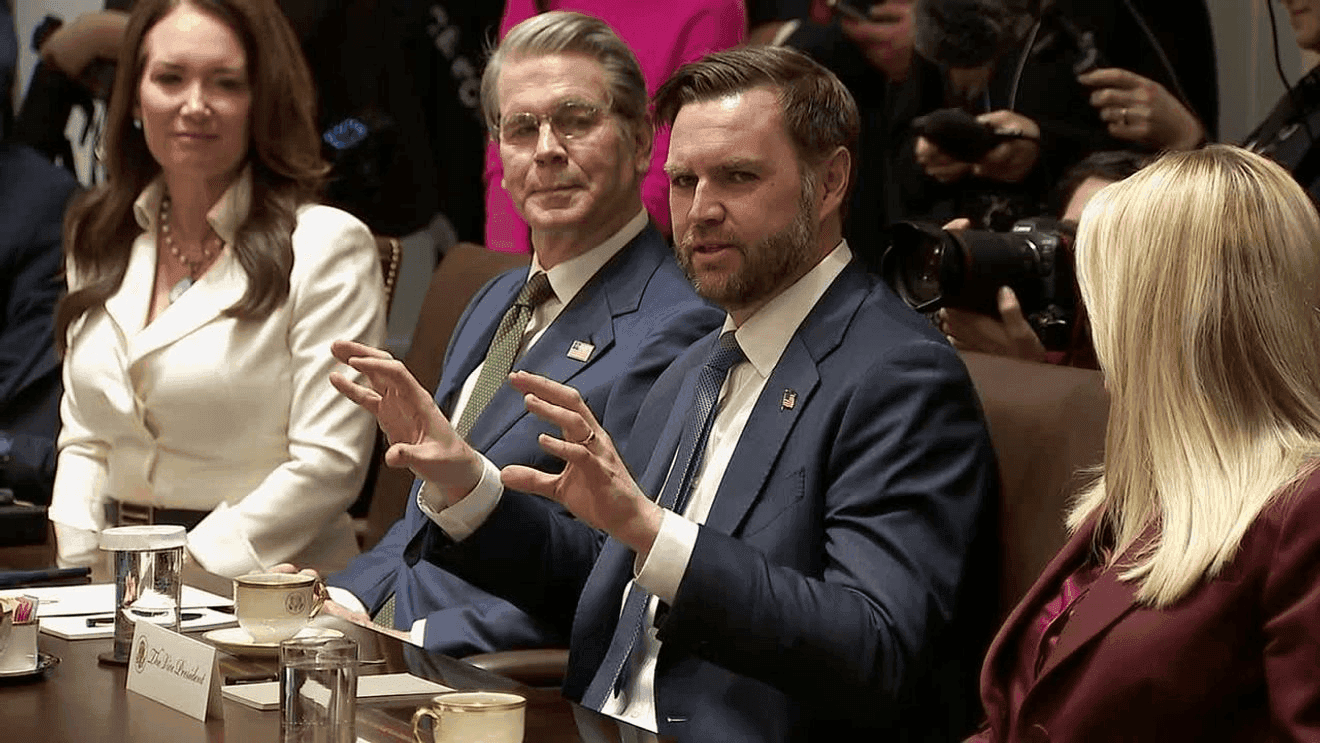
Rubio Surges to 35% Behind Vance's 53% in CPAC 2028 Straw Poll
14 sources compared
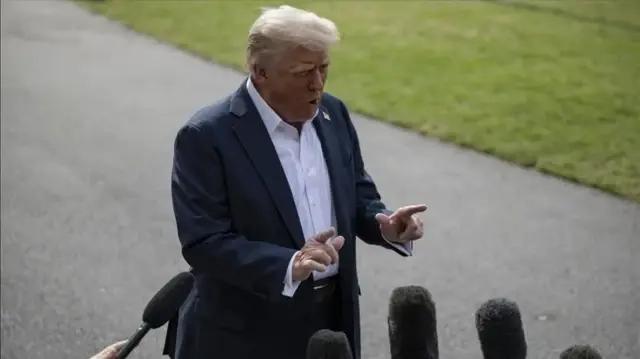
Trump Signals U.S. Could Target Cuba, Hinting at Military Action
12 sources compared
Trump Orders DHS to Immediately Use 'Reasonable Nexus' Funds to Pay TSA Agents
70 sources compared