
Paul Bremer ran Iraq on behalf of Bush. His emails reveal what actually happened.
Bremer emails on Iraq
After the 2003 American invasion of Iraq, then‑President George W. Bush appointed American diplomat Paul Bremer as head of the Coalition Provisional Authority, effectively making him the civil governor of Iraq.
“After the American invasion of Iraq in 2003, then‑President George W”
More than two decades after that period, private emails Bremer sent to his wife — published by the Sunday Times in a report by Matthew Campbell and Nick Davies and reported here by Al‑Jazeera Net — reveal a picture at odds with the official narrative and Bremer's later memoirs.
The messages provide direct testimony of the chaos that followed the invasion, the political and military pressures Bremer faced, and the decisions that shaped Iraq's trajectory.
Bremer in Iraq 2003
From his first days in Baghdad in May 2003 Bremer recognised the scale of the task, writing, "I am now officially the government of Iraq," and later, after meeting Yazidi representatives, "It never ends."
He confronted a society fractured by ethnicity, sect and politics, and faced growing criticism from Washington: "Rumsfeld suddenly started moving in seven directions at once after four months of complete silence… our policies were wrong, and I no longer have their confidence."
The decision that haunted him most was the disbanding of the Iraqi army in May 2003, which led to the dismissal of hundreds of thousands of officers and soldiers and left many armed young men without jobs; about a year later Washington began to treat that decision as a major strategic mistake.
Bremer defended himself in the emails: "The decision to disband the army was taken in May with enthusiastic support from Rumsfeld, but now they’re treating it like my failure."
Bremer-era Iraq messages
The messages also document battlefield confusion and political fallout: Bremer recounts CENTCOM commander John Abizaid saying, "I can't tell if we're winning or losing in Fallujah," and Bremer replying, "I can't even tell the good guys from the bad anymore."
“After the American invasion of Iraq in 2003, then‑President George W”
He warned of the Abu Ghraib scandal's impact in May 2004: "The Abu Ghraib story overwhelms everything in Washington now," adding, "Poor Rami looks like a defeated man."
Bremer flagged contradictions between the transitional law he established and the policy of military detention: "The question will be asked - and some smart Iraqis already have - how can the Coalition claim the right to detain Iraqis in clear violation of the guarantees of the transitional law?"
He grew pessimistic about winning Iraqi support: "When I think about why Americans aren't loved here, I ask myself: how could they love us? People were taught for 35 years that we are enemies... a three-week liberation war cannot erase that history."
As authority transferred in June 2004, security remained fragile with mortar attacks and car bombs, and Bremer closed his mission with, "Thus ends Bremer's epic in Baghdad."
The report's authors say these messages continue to expose the backstage chaos, the political pressures, and the fateful decisions that helped shape the course of modern Iraq.
Key Takeaways
- George W. Bush appointed Paul Bremer head of the Coalition Provisional Authority in 2003.
- Bremer effectively served as Iraq's civil governor during the US occupation.
- Private emails Bremer sent to his wife contradicted his later memoirs' official account.
More on USA
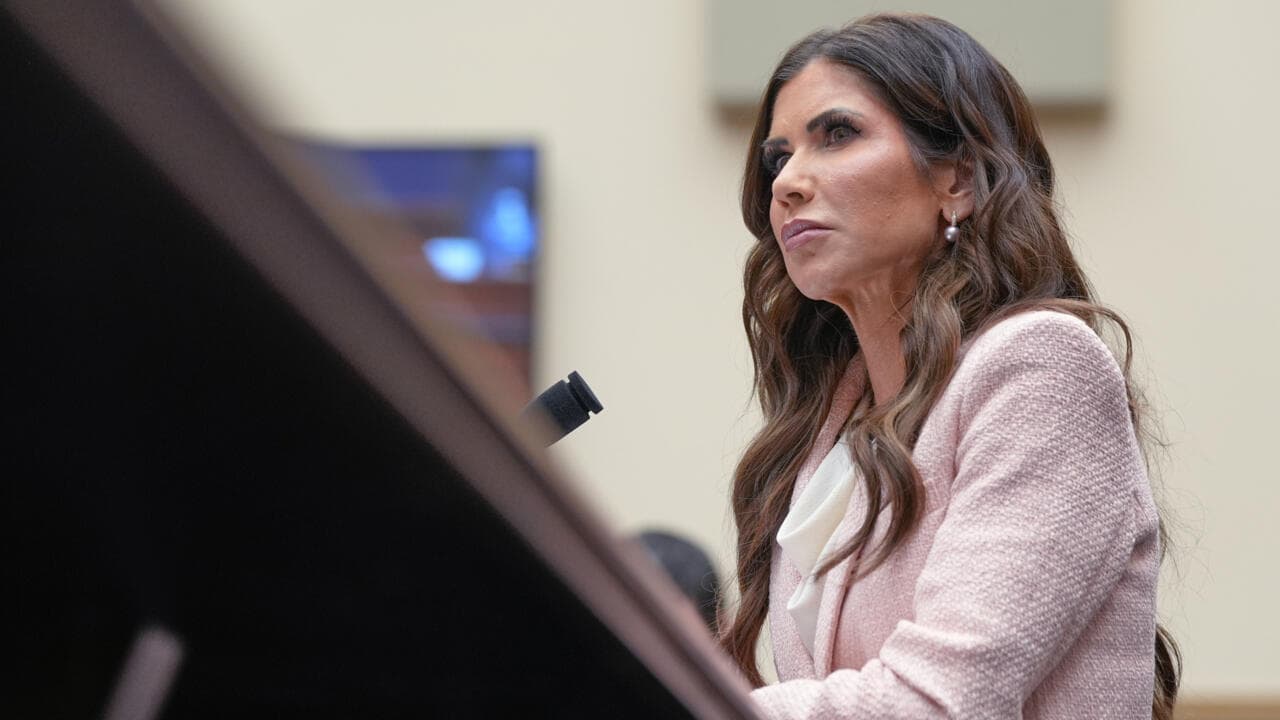
Trump Fires Homeland Security Secretary Kristi Noem After Mounting Criticism
10 sources compared

President Trump Calls Oil Surge 'Small Price to Pay' as US Campaign Targets Iran
10 sources compared

Government Shutdown Strands Travelers in Hours-Long TSA Lines at Major U.S. Airports
19 sources compared
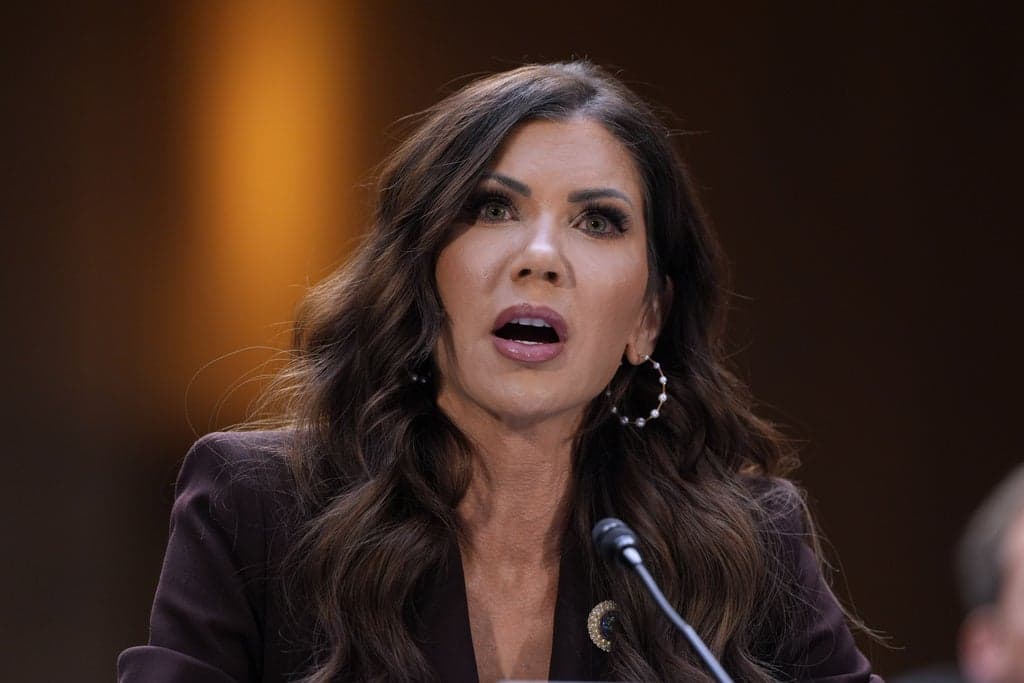
President Donald Trump Fires Homeland Security Secretary Kristi Noem, Appoints Sen. Markwayne Mullin
11 sources compared