Crime17 April, 20267 min read
Paul Quinn Convicted of 2003 Rape After DNA Breakthrough Exposes Andrew Malkinson Wrongful Imprisonment
This article is an automated aggregation of coverage from news outlets. Our editorials offer in-depth analysis curated by the NewsCord team.
Paul Quinn convicted of 2003 rape after DNA evidence linked him. Andrew Malkinson spent 17 years imprisoned for the crime before his 2023 conviction was quashed.
DNA Links Quinn After 17 Years
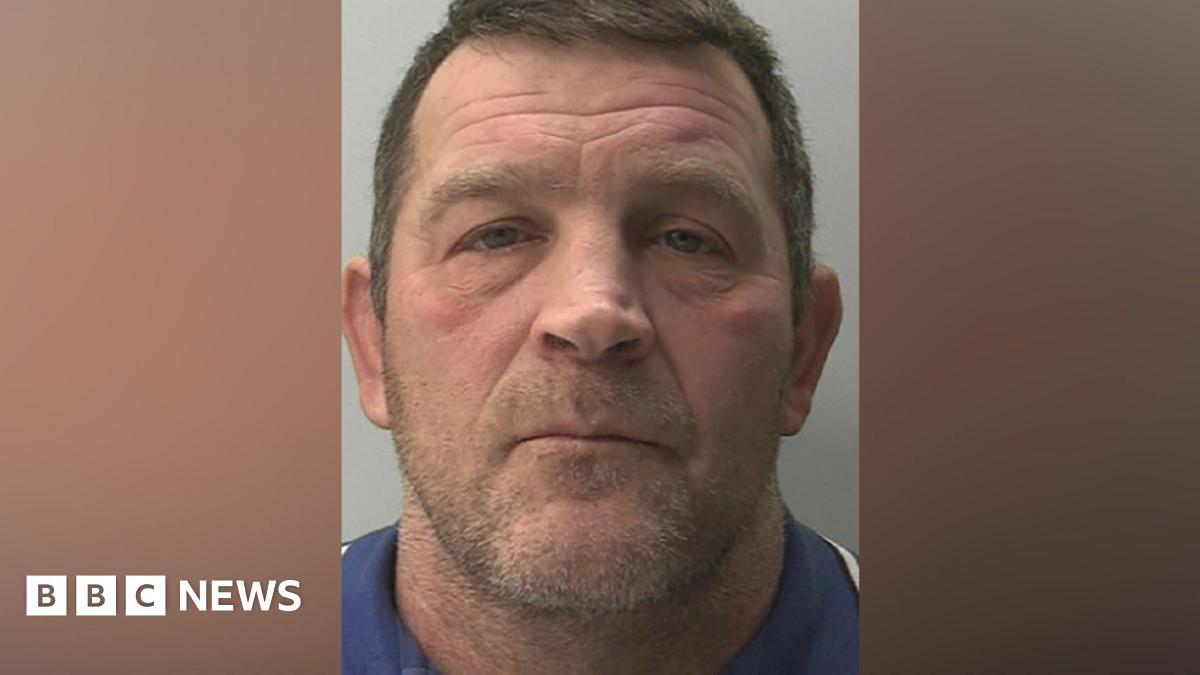
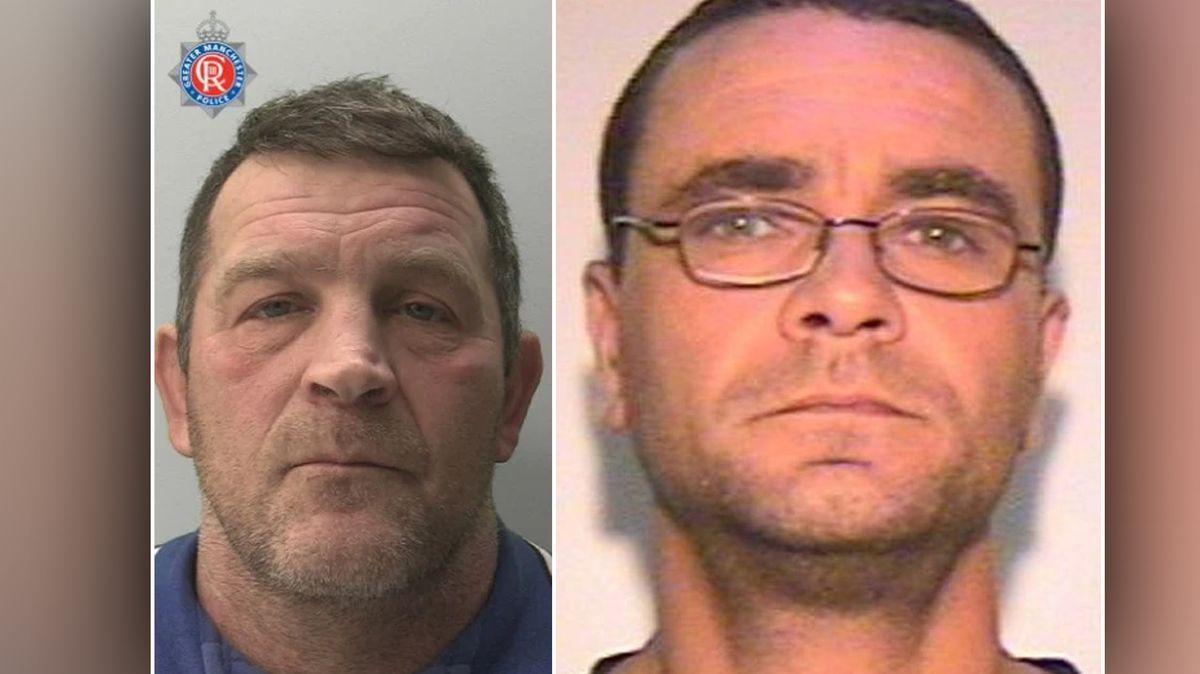
A man, Paul Quinn, 52, was convicted of a 2003 rape that led to the wrongful imprisonment of Andrew Malkinson, after fresh forensic analysis identified Quinn’s DNA on the victim’s clothing more than two decades after the attack. The BBC described how, on 19 July 2003, a 33-year-old mother of two was walking home alone through a semi-rural part of Salford after a blazing row with her boyfriend, when she heard a male voice call out from the bushes and was later dragged down an embankment and strangled unconscious. The Guardian said Quinn was convicted by a jury on Friday after “fresh forensic analysis found traces of his DNA on the victim,” and that he sat with his head bowed as he was convicted of two counts of rape, attempted strangulation and grievous bodily harm.
The Times of India reported that Quinn was found guilty after “fresh forensic analysis identified his DNA on the victim’s clothing more than two decades after the attack,” and that he is due to be sentenced in June. BBC reporting tied the breakthrough to a renewed forensic review, including Operation Cube, which re-examined crime scene samples thanks to advances in DNA testing. The BBC also said that in May 2023, “a speculum, a medical instrument used to examine the rape victim, was taken from the evidence bag it had been stored in for 20 years,” and scientists recovered “a very small but partial match to Quinn.”
What Happened in 2003
The attack described by the BBC began in the early hours of 19 July 2003, when the victim was walking home alone through a semi-rural part of Salford after a blazing row with her boyfriend. As she came to Little Hulton, a tight-knit community, the BBC said she heard a male voice call out from the bushes and that “The man said he had a gun.” The BBC reported that she hurried away, texting her boyfriend, and soon realised she was being followed by a man wearing “a white shirt that was unbuttoned.”
The BBC said the man caught up with her by a motorway bridge, then “He dragged the woman down an embankment and strangled her unconscious,” and “He then struck her face, fracturing her cheekbone so severely she needed surgery.” The Manchester Evening News put the location more specifically, saying the woman was left bloodied and bruised in the early hours of July 19, 2003 off Cleggs Lane in Little Hulton, near the M61. The Guardian reported the victim’s reaction: “It does not change the fact that two lives have been impacted in such a way.”
How the Wrong Man Was Chosen
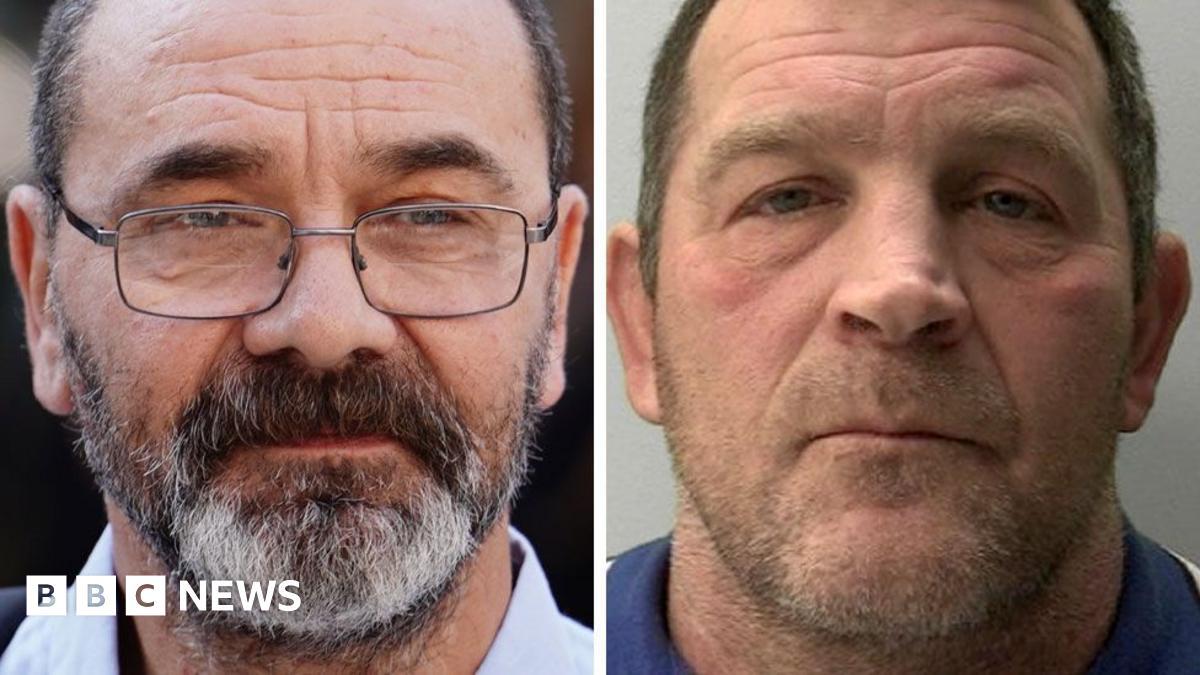
Multiple reports describe how Andrew Malkinson was blamed for the 2003 rape for 17 years, with the BBC saying Malkinson was convicted in 2004 solely on eyewitness accounts.
The BBC reported that police saw Malkinson as the prime suspect “purely because he had been stopped by two officers some time earlier,” and it quoted Det Ch Supt Rebecca McKendrick saying: “Nobody came forward with any information in 2003, or during the span of that investigation, with Paul Quinn's name. That was categorical.”
The Times of India said unidentified DNA had been known to investigators as early as 2007 but further testing was not pursued.
The BBC explained that Operation Cube produced a hit on male DNA that did not match Malkinson, and it quoted James Burley saying, “That should have been the point where it was crystal clear that there'd been a miscarriage of justice.”
The Guardian added that police and prosecutors knew as long ago as 2007 that an unidentified man’s DNA was found on the victim but decided not to carry out further tests at the time.
The Manchester Evening News quoted Malkinson saying: “Instead, they wanted a quick conviction and I was a handy patsy forced to spend over 17 years in prison for his horrific crime.”
Voices After the Verdict
After the verdict, the reports foregrounded statements from the victim, from Andrew Malkinson, and from Greater Manchester Police leadership, alongside the police watchdog’s ongoing scrutiny. The Guardian said the victim was “very pleased with the result” but added, “It does not change the fact that two lives have been impacted in such a way.” The Guardian also quoted Malkinson saying Quinn “could have been caught a long time ago,” and it repeated his accusation that “Instead, they wanted a quick conviction and I was a handy patsy forced to spend over 17 years in prison for his horrific crime.”
The Manchester Evening News quoted Malkinson saying “if the police had acted as they should have done, Paul Quinn could have been caught a long time ago,” and it quoted him saying “All those responsible for allowing this dangerous man to wander free whilst I was locked up must now be held to account.” The Guardian reported that assistant chief constable Steph Parker said the verdicts had come “two decades too late for all involved in this horrendous case,” and that she offered an “unreserved apology on behalf of the force.” The Black Country Radio report quoted GMP’s statement saying it “commended the bravery of a woman whose courage has led to a man being convicted of a violent rape in Little Hulton, 22 years after the wrong man was sent to prison.”
Different Emphases, Same Case
While all the outlets describe the same core case—Paul Quinn’s conviction for the 2003 rape and Andrew Malkinson’s wrongful 17-year imprisonment—their emphasis differs in ways that shape how readers understand the timeline and the evidence. The BBC focuses on the forensic pathway in detail, describing Operation Cube, the vest top saliva, and the later discovery of Quinn’s DNA, including the “billion times more likely” profile from the vest top saliva and the May 2023 speculum match. The Guardian stresses the “horrific” nature of the 2003 rape and the fact that police and prosecutors knew in 2007 about unidentified DNA but did not pursue further tests, and it highlights the IOPC investigation into officers and evidence handling.
The Times of India foregrounds the “major development” and says Quinn was found guilty after fresh forensic analysis, while also noting that the case is linked to Malkinson’s wrongful conviction being overturned in 2023. The Independent reports the fallout as a “public inquiry now underway” and says a 2024 review found failings that could have exonerated Malkinson a decade before his release. The Manchester Evening News adds a specific allegation about evidence disposal, saying Malkinson’s lawyers were dismayed to learn that Greater Manchester Police had disposed of vital exhibits, including the victim’s clothes.

What Happens Next
The conviction does not end the case’s scrutiny in the reporting, because multiple outlets describe ongoing investigations into police conduct and evidence handling, and they also outline the sentencing timeline. The Times of India said Quinn is “due to be sentenced in June,” and it described the Independent Office for Police Conduct investigating several officers over potential misconduct, including possible failures in handling and disclosing evidence. The Guardian said the IOPC is investigating five former Greater Manchester police officers on suspicion of gross misconduct, including one who is under criminal investigation, and that a sixth officer, still serving at GMP, is being investigated on suspicion of misconduct.
The Guardian also said the police watchdog is examining GMP’s destruction of evidence in the Malkinson case, its failure to disclose the criminal histories of two key witnesses in the 2004 trial, and whether those witnesses were offered incentives to testify against the innocent man. The Independent added that “five former Greater Manchester Police officers and one currently serving with the force are under investigation” and said that “both the chair and chief executive of the Criminal Cases Review Commission (CCRC) have resigned.” The Manchester Evening News said a public inquiry has been set up to examine how “a most terrible miscarriage of justice” happened, described by prosecutors at Quinn’s trial as “one of the worst” that “there has been” in UK history.