Pentagon Considers Deploying Up To 10,000 Ground Troops Near Kharg Island, Iran
Key Takeaways
- US-Israel joint strikes hit Iranian targets, escalating regional conflict.
- Pentagon weighing deployment of up to 10,000 additional ground troops to the Middle East.
- Move aims to give Trump more military options amid Iran tensions and talks.
New troop deployment plan
The Pentagon is weighing deploying up to 10,000 additional ground troops to the Middle East in the coming days, per a senior defense official cited by Axios.
“Subscribing is the best way to get our best stories immediately”
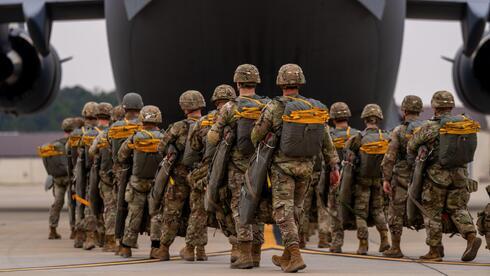
The proposed force would join about 5,000 Marines and thousands of 82nd Airborne troops already ordered to the region, with units potentially entering within striking distance of Iran and Kharg Island.
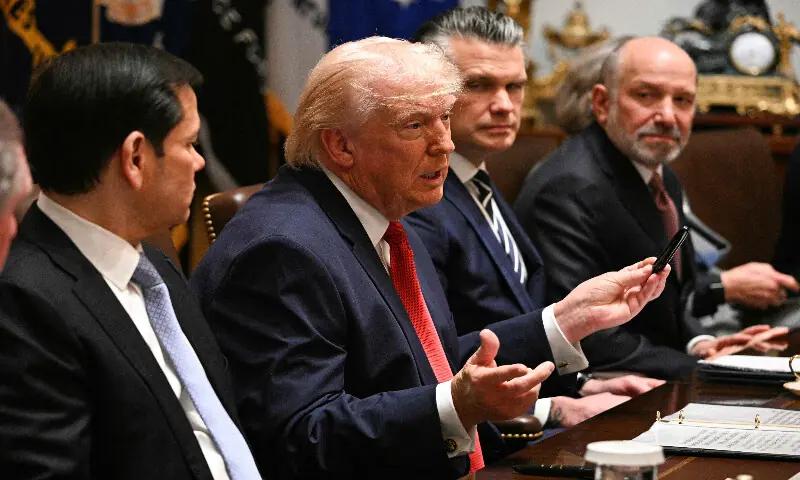
The White House has framed this as expanding military options while diplomacy continues, including pauses on energy-target strikes that are intended to coincide with talks.
Officials insist that any deployment would be announced by the Defense Department, and that President Trump maintains access to all military options, a point echoed by allied outlets.
This development marks a sharp pivot from a purely diplomatic tempo to a tangible military buildup that could widen the conflict if negotiations fail.
Troop posture near Iran
The troops would likely be infantry and armored units within range of Iran and Kharg Island, the oil-export hub at the center of the region’s energy leverage.
Analysts describe the buildup as a form of brinkmanship intended to squeeze Tehran while diplomacy proceeds, rather than a sudden pivot to full-scale invasion.
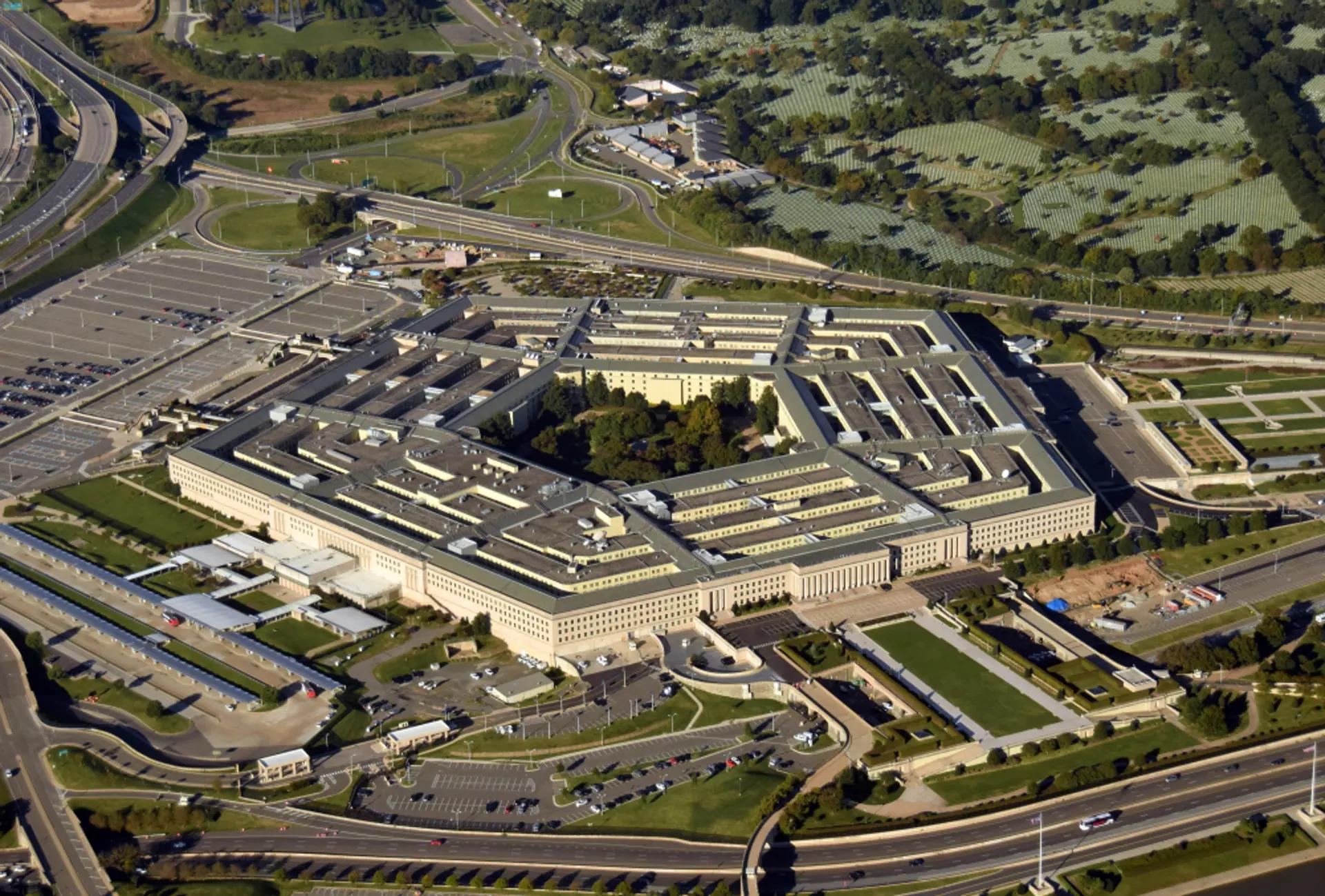
Officials emphasize that announcements will come from the War Department, framing the move as a measured option rather than a fait accompli.
Other reporting notes that the broader objective could be deterring Iranian escalation and stabilizing key shipping corridors, even as domestic politics in the U.S. influence the tempo of action.
The risk remains that any ground posture near Kharg Island could invite a robust Iranian response, potentially widening the war beyond its current phase.
Markets and momentum
Analysts cite safe-haven demand and higher oil-price volatility as a reaction to the potential expansion of U.S. ground forces in West Asia.
The dollar index moved higher on safe-haven flows, signaling market nerves about a protracted regional conflict.
Oil- and gas-price pressures are intensifying due to fears of supply disruption from Hormuz chokepoint instability.
Non-Western outlets emphasize that the broader global economy would bear the weight of a wider war, even as diplomacy continues in various backchannels.
Some reports suggest the pause on energy-strike activity is a strategic lever to keep lines of negotiation open while deterrence remains intensified.
Iranian response & framing
Iran has publicly rejected a 15-point peace plan while signaling it might engage via intermediaries, depending on conditions and perceived U.S. intent.
Non-Western outlets emphasize Iran’s insistence on terms it sees as credible, complicating the U.S. and allied push for a rapid diplomatic breakthrough.

Analysts warn that any of the proposed ground moves could harden Tehran’s stance and invite a broader regional response.
Some outlets describe the situation as brinkmanship: a steady display of force paired with occasional diplomatic surface-talk, designed to shape concessions.
Iran’s domestic and regional calculations see any early capitulation as politically costly, reinforcing resistance to rapid concessions.
Path to de-escalation
Analysts contend that concrete diplomatic demands—such as verifiable pauses, verifiable Iran constraints, and restored shipping freedom—need to accompany any significant force deployment to avoid sliding into a broader ground-conflict scenario.
“Pentagon weighs sending 10,000 more ground troops to Middle East: report Xinhua | Updated: 2026-03-27 09:17 WASHINGTON - The Pentagon is considering deploying up to 10,000 additional ground troops to the Middle East to give US President Donald Trump more military options beyond diplomacy, The Wall Street Journal reported on Thursday”
Some reporting highlights that the pause on energy-sector strikes is being treated as a diplomatic window, not as a guaranteed halt, and that mediators are pushing Pakistan and others to facilitate talks with Tehran.
Western and non-Western outlets alike urge that any plan include clear benchmarks and timelines to avoid endless escalation or misinterpretation of force as coercion rather than deterrence.
The broader regional calculus includes ensuring Kharg Island remains accessible through peaceful means, while maintaining credible defense readiness around Hormuz.
More on USA

Senate Approves Bill Funding TSA, FEMA, Coast Guard While Excluding ICE, CBP
28 sources compared
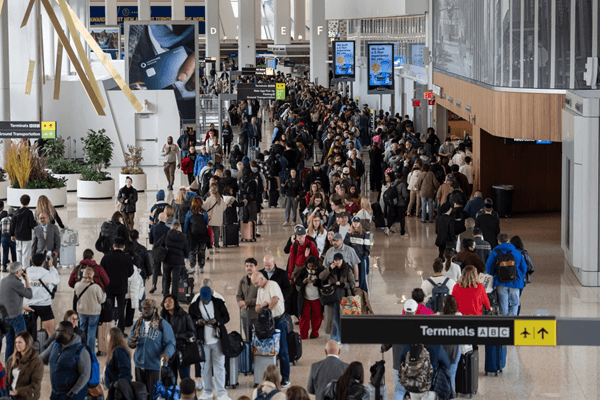
Senate Passes DHS Funding To Pay TSA, Clearing Way To Reopen Airports, Excludes ICE
52 sources compared

No Kings Organizers Mobilize St. Paul Flagship Rally With Bruce Springsteen, Expect 100,000
24 sources compared
Secret Service Agent Causes Negligent Discharge In Philadelphia; Office Of Professional Responsibility Opens Review
28 sources compared