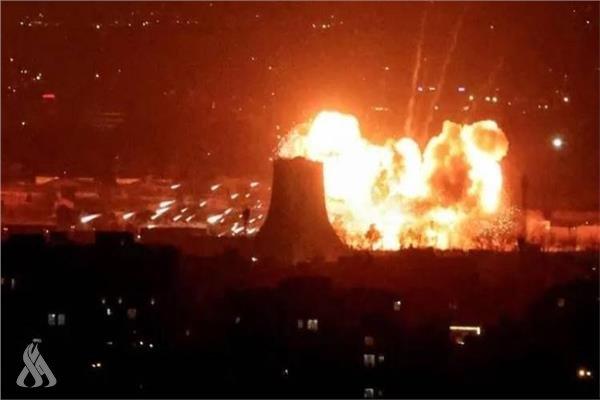
Pentagon Plans Weeks-Long Ground Raids Inside Iran Targeting Kharg Island And Hormuz Coast
Key Takeaways
- Pentagon plans weeks-long ground operations in Iran, including raids.
- Thousands of US troops and Marines deployed to the Middle East.
- Any operation would be limited, not a full-scale invasion.
New phase: ground ops plan
New phase in West Asia signals a shift from mere air and missile strikes toward weeks‑long ground operations inside Iran, with Kharg Island and coastal sites near the Strait of Hormuz cited as possible objectives as thousands of U.S. troops pour into the region.
“Pentagon preparing weeks-long ground operations in Iran amid escalation debate Plans include raids, coastal missions as Trump weighs options, officials warn of rising risks, say media report ANKARA The Pentagon is preparing for weeks of potential ground operations in Iran as thousands of US troops deploy to the Middle East, pending a decision by President Donald Trump, a media report said Saturday”
The Washington Post reports that the Pentagon is preparing for weeks of ground operations, potentially involving raids by Special Operations forces and conventional infantry, while stopping short of a full invasion.

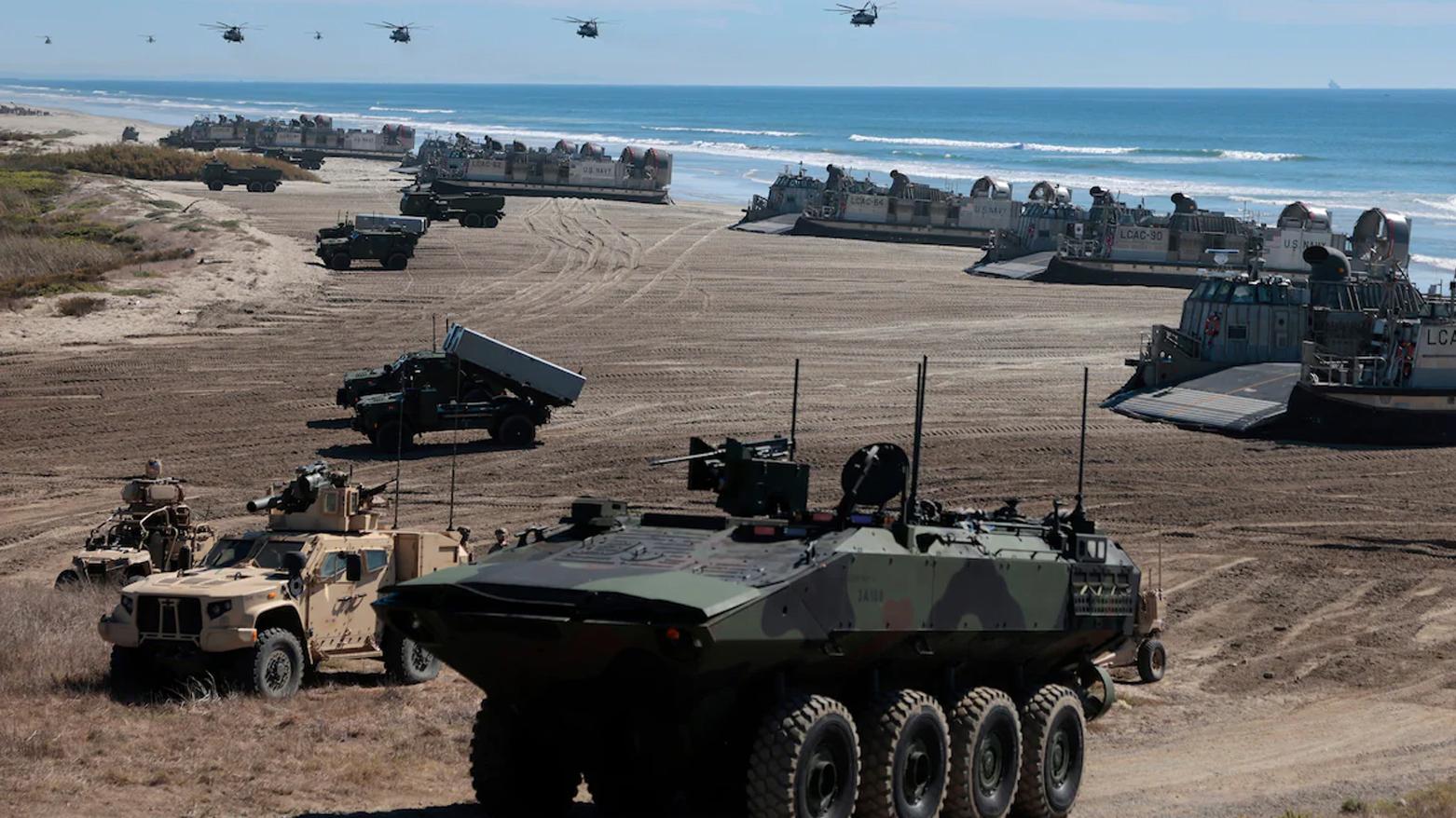
TIME adds that roughly 2,200 Marines from the 31st Expeditionary Unit aboard the USS Tripoli are en route, with about 2,500 more from the 11th Marine Expeditionary Unit aboard the USS Boxer, and notes these MEUs are crisis‑response forces rather than for a prolonged occupation.
Non‑Western outlets emphasize Kharg Island as a target under discussion and highlight Iran’s warnings to escalate elsewhere if Washington presses ahead.
“It’s the job of the Pentagon to make preparations in order to give the Commander in Chief maximum optionality. It does not mean the President has made a decision,” the White House spokesperson is quoted as saying.
Plan specifics: limited ops
On-the-ground specifics of the plan show it would aim for limited, not full‑scale, ground activity: raids by SOF and conventional infantry, with Kharg Island and nearby coastal sites as focal points to disrupt weapon shipments and Iran’s coastal defenses.
Officials quoted by The Washington Post reiter that the operation would not constitute a full invasion.

Anadolu Ajansı and other outlets detail discussions about seizing Kharg Island and conducting coastal raids near the Strait of Hormuz to neutralize naval threats.
The Jerusalem Post adds that Kharg Island is a plausible objective for a ground operation, while The Hindu notes asset deployments in West Asia as part of a weeks‑long plan.
Deployment and risk
The deployment scale reinforces the risk calculus: the U.S. has thousands of troops in the region, with two MEUs in motion and a broader posture that TIME characterizes as crisis response rather than occupation.
“Iran has issued a chilling warning to open a new front in the war with the US in response to Donald Trump's plans to send thousands of US troops to the Gulf”
TIME notes the 2,200 Marines from the 31st MEU on the USS Tripoli and 2,500 more from the 11th MEU aboard the USS Boxer, underscoring a rapid, riverine‑to‑inland lift capacity rather than an entrenched invader profile.
Washington‑area reporting documents a broader tally of U.S. fatalities and injuries across attacks in the region—13 dead and more than 300 wounded—reflecting the escalating risk to personnel.
The Washington Post’s framing of these options as potentially “weeks of ground operations” contrasts with Trump’s rhetoric about not deploying troops, illustrating a tension between planning and political decision‑making.
Arab and Turkish outlets stress Kharg Island as a flashpoint for regional shipping security and Iranian retaliation, underscoring the fragility of Gulf oil flows under a possible ground campaign.
Iranian stance and context
Iran’s officials have warned they will respond forcefully if pushed, with Tehran publicly rejecting negotiations while pressing for guarantees—such as an end to hostilities, reparations, and sovereignty recognition over the Strait of Hormuz.
Iranian Foreign Minister Abbas Araqchi is quoted as saying, “Message exchanges do not mean negotiations with the US. No negotiations have happened with the enemy until now, and we do not plan on any.”

AP/NORC polling cited by regional outlets shows broad U.S. domestic opposition to ground troops in Iran, with about 62% opposed and only 12% in favor, complicating the administration’s push for escalation.
Kurdish and Arabic outlets frame Kharg Island’s significance as both a strategic chokepoint and an economic pressure point for global oil markets, warning that seizure or raids could inflame energy disruptions and regional instability.
Oil, diplomacy, risk
If Kharg Island or coastal sites near Hormuz become flashpoints, global oil flows could face new risks even before any ground move unfolds, complicating already tense negotiations and highlighting the fragility of temporary ceasefire talks.
“Washington Post: Pentagon Prepares for Potential Ground Operations in Iran Washington Post reported the Pentagon is preparing potential ground operations in Iran, involving limited raids”
The Jerusalem Post emphasizes Kharg as a potential operational objective, linking it to broader oil export dynamics, while The Hindu notes that West Asia deployments are part of a rapidly evolving U.S. posture that could tilt risk toward escalation or deterrence.
Turkish, Indian, and Arab outlets stress the operational ambiguity around Washington’s plans and warn that even the possibility of ground operations can raise regional alarm among Tehran’s allies and Gulf neighbors, potentially spurring countermeasures and intensified drone activity alongside conventional strikes.
Across outlets, the dominant thread remains: the plan exists as a set of options, not a guaranteed course, and its execution hinges on a political decision that may be constrained by domestic opinion and international risk assessments.
More on Iran
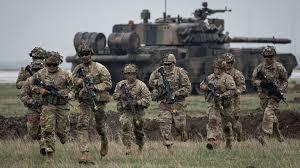
Pentagon Prepares Weeks-Long Ground Operations in Iran; USS Tripoli Deployed
34 sources compared
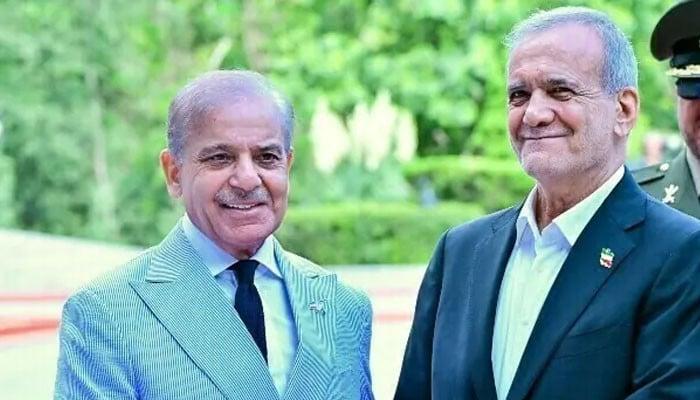
Iran Allows 20 Pakistani Ships Through Hormuz, Islamabad Calls It Peace Harbinger
21 sources compared
Houthis Formally Enter Iran-Israel War By Firing Missiles And Drones At Israel
16 sources compared
Houthis Launch First Missiles At Israel, Joining Iran War And Threatening Red Sea Routes
75 sources compared