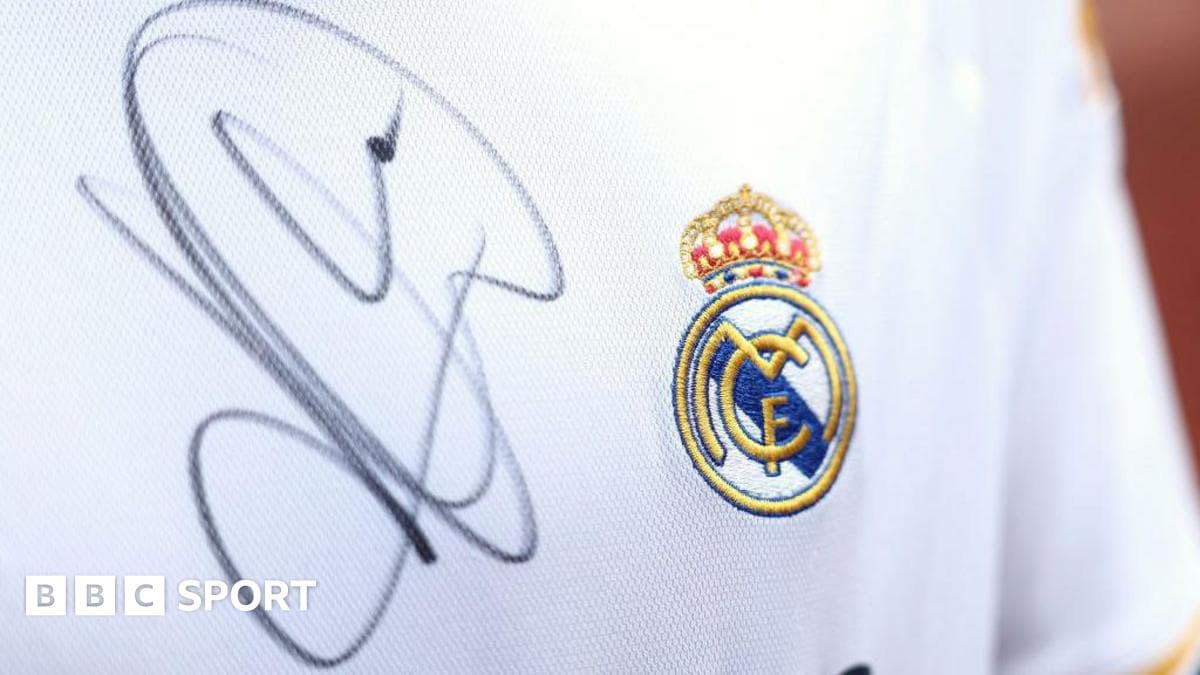
'Players are fed up' - are autograph hunters going too far?
Key Takeaways
- Two autograph-hunter types: legitimate fans and invasive, inappropriate approaches.
- Autograph signings occur in training grounds, traffic lights, petrol stations, hotel lobbies, and homes.
- Some encounters are understandable keepsakes while others are invasive.
Hunter types and industry size
Autograph hunters fall into two groups: genuine fans seeking a keepsake and professional sellers who build up a bank of merchandise to sell online.
“Outside the training ground”
The professional hunters often operate in organised packs, approaching players with shirts and photographs, and trying to sign as many items as possible in the space of a few seconds.
The sports memorabilia industry is estimated to be worth billions of pounds globally per year.
Clubs sometimes step in to protect players by banning professional hunters from operating outside training grounds, providing security staff at nearby petrol stations where players stop to fill up their cars, and, in some cases, escorting players home.
Player reactions to autograph seekers
Arsenal manager Mikel Arteta was recorded refusing to sign a shirt after a match and said he felt exposed, with some fans not acting for the right reasons.
Manchester City manager Pep Guardiola publicly berated hunters at a car park near his home, questioning whether they should pursue the work and what their dreams are.
Sports figures like Chris Sutton say players are fed up with autograph hunters trying to turn signatures into money, while acknowledging that genuine fans can still have a moment with players.
Phil Jagielka describes confrontations and notes some hunters are clever—sending their kids or bringing friends—to pressure players and push for signatures.
Women’s game access and respect
Across women's football, access has been closer and interactions generally friendly, but players report growing rudeness and a sense of entitlement among some fans.
“Outside the training ground”
Nikita Parris says she has been asked to sign shirts by Manchester United supporters who had booed her during a London City Lionesses' February draw with her former club.
Helen Ward argues there is a rising sense of entitlement after fans pay for a ticket and expect attention, stressing the need for a controlled, safe environment to keep moments for young fans.
Ward also says players should still make time for supporters, so that young girls believe their heroes care about them.
Fraud risk and verification challenges
Fans risk buying fake memorabilia online; signed items can fetch tens of thousands, but not all are genuine.
Fraudsters run online stores that forge items by purchasing products and adding signatures themselves or using handwriting copiers.
In the UK, autograph verification is unregulated and certificates of authenticity depend on the awarding body, which may be unvettable.
A 2018 case saw a man jailed for six years after earning more than £1m from fake memorabilia over nearly a decade, with Wayne Rooney helping prove the fraud by examining a shirt supposedly signed by him and confirming it was illegitimate.
Paying a high price does not guarantee authenticity.
More on Sports

Jaxon Smith-Njigba signs four-year, $168.6 million extension with Seahawks, becomes NFL's highest-paid WR.
10 sources compared

Iran Threatens Worldwide Attacks on Tourist Sites
11 sources compared

Online Racists Target Liverpool's Ibrahima Konate After Osimhen's Injury
13 sources compared

Head coach Benjy Taylor sues Morehouse and campus officers over on-court handcuffing
11 sources compared