Full story
Poland's Complete Withdrawal
Poland has completed the full evacuation of its military contingent from Iraq, citing deteriorating security conditions across the Middle East as the primary motivation for the withdrawal.
“Poland withdraws troops from Iraq amid rising regional tensions Move follows security review as NATO also begins temporary pullback over safety concerns Poland has begun withdrawing its military personnel from Iraq, citing growing security risks linked to escalating tensions across the West Asia”
The decision was announced by Defence Minister Władysław Kosiniak-Kamysz, who emphasized that the move followed a comprehensive analysis of operational conditions and potential threats facing Polish forces stationed in Iraq.

This evacuation represents a significant strategic shift for Poland, which had maintained a substantial military presence in Iraq as part of international efforts focused on advising Iraqi security forces and building their capacities.
The timing of the withdrawal coincides with rapidly escalating regional tensions that have made the environment increasingly hazardous for foreign military personnel.
Evacuation Operation Details
The evacuation operation involved the relocation of approximately 350 Polish soldiers who had been stationed in Iraq as part of international efforts.
According to officials, more than 100 soldiers had already reached Poland or were en route, while several dozen were positioned in Jordan or heading there to continue mission-related tasks.
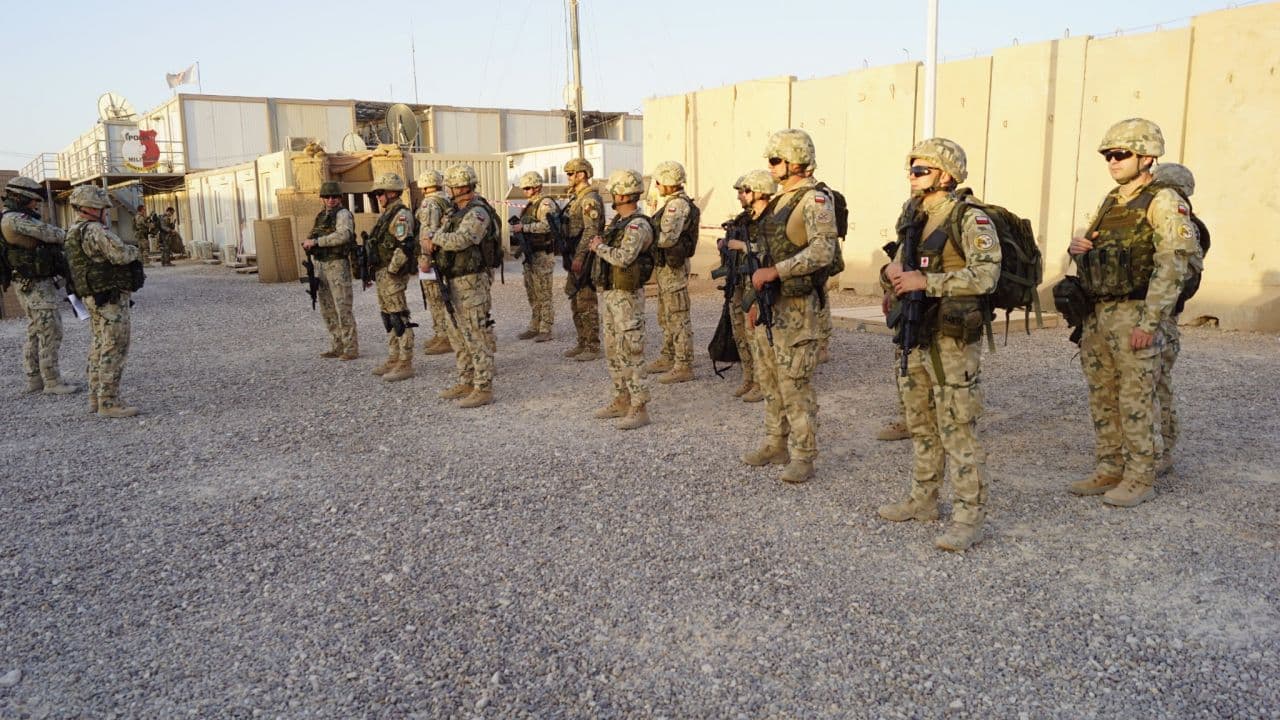
The entire withdrawal process was conducted in close coordination with NATO allies, ensuring safety and operational continuity throughout the transition.
Defence Minister Kosiniak-Kamysz stressed that the priority was 'ensuring maximum safety to the soldiers and employees of the Polish Military Contingent,' with the operation overseen by Poland's Armed Forces Operational Command.
This coordinated approach reflects the integrated nature of NATO operations in the region and the shared assessment of emerging threats.
Regional Conflict Context
The evacuation comes amid the third week of the Iran war, which was initiated by US-Israeli airstrikes at the end of February that killed Iran's Supreme Leader Ali Khamenei and decimated much of Iran's senior leadership.
“Politics Poland evacuates troops from Iraq as Iran war heightens Middle East tensions Edited by: Sion Pennar”
This dramatic escalation has sent shockwaves throughout the Middle East, with Tehran launching retaliatory attacks across the region including strikes on US military bases, energy infrastructure, and targets inside Iraq.
The conflict has deepened tensions that have been developing over several years, rooted in disputes over Iran's nuclear program, regional influence, and security concerns raised by Western and Israeli authorities.
Polish authorities, while not directly involved in the conflict, acknowledged they had prior knowledge of planned military actions through allied communication networks, indicating the interconnected nature of regional security arrangements.
Strategic NATO Position
Poland's withdrawal is part of a broader NATO strategic reassessment that has seen the alliance relocate all troops from its advisory mission in Iraq to Europe.
Prime Minister Donald Tusk clarified Poland's position, stating unequivocally that Poland would not take part in the ongoing conflict involving the United States and Israel against Iran.
Tusk emphasized that the war does not pose a direct threat to Poland's national security, and therefore does not warrant military involvement.
The Polish decision was based strictly on national interest and strategic assessment of the evolving regional crisis rather than any desire to participate in the conflict.
While Poland maintained its non-belligerent stance, officials acknowledged the interconnected nature of regional security through NATO communication networks, which provided advance warning of military actions that influenced their risk assessment.
Regional Economic Impact
The deteriorating security situation has had significant regional and global repercussions, particularly affecting energy markets and civilian populations.
“He added that the withdrawal was conducted in collaboration with allied forces to ensure safety and coordination throughout the process”
Iran's retaliatory actions included effectively shutting the Strait of Hormuz—a critical maritime chokepoint that normally carries about a fifth of the world's oil—sending global energy prices soaring.
This economic impact has been felt worldwide, contributing to inflationary pressures and supply chain disruptions.
In response to the broader crisis, Poland has also taken action to protect its citizens, sending military aircraft to evacuate Polish nationals stranded across the Middle East after the conflict disrupted air routes and grounded commercial flights.
The combination of military evacuations and citizen rescue operations demonstrates the multifaceted challenges posed by the regional conflict to countries with interests and personnel in the area.
Future Mission Outlook
Looking ahead, the NATO mission is expected to continue from a new base of operations in Naples, Italy, while maintaining its original mandate focused on advising Iraqi security forces.
The mission, established in 2018 at the request of the Iraqi government, operates in a non-combat advisory capacity aimed at strengthening Iraq's security institutions.
Iraqi officials have indicated that the current withdrawal is precautionary and that personnel are expected to return once conditions improve.
However, the duration of this suspension remains uncertain given the unpredictable trajectory of the Iran war and its potential for further regional escalation.
Poland's withdrawal represents not just a temporary adjustment but a significant recalibration of its military posture in the Middle East, reflecting both immediate security concerns and longer-term strategic reassessments in response to the rapidly changing regional dynamics.