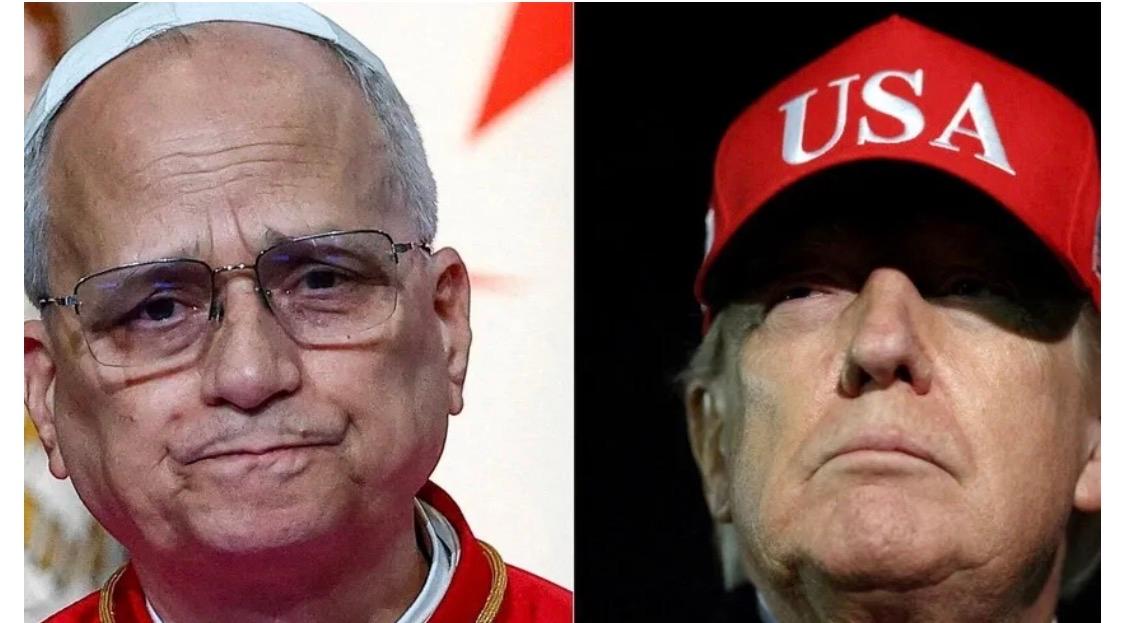
Pope Leo Condemns Iran Killing Of Protesters, Rejects War And State Violence
Key Takeaways
- Pope Leo condemned the killings of Iranian protesters.
- He cannot support war and opposes Iran's war.
- Remarks were delivered aboard the papal flight returning from Africa to Rome.
Pope condemns killings
Pope Leo condemned the killing of protesters in Iran and tied his remarks to a broader rejection of war and state violence during press comments and interviews connected to his return to Rome after a four-nation Africa tour.
“Pope Leo has criticised the world’s treatment of migrants and refugees, claiming that they are often viewed as “worse than house pets or animals””
In one account, he responded to questions about reports that Iran killed thousands of anti-government protesters in January by saying, "I condemn all actions that are unjust. I condemn the taking of people’s lives," and he added, "When a regime, when a country takes decisions which takes away the lives of other people unjustly, then obviously that is something that should be condemned."

Another report described him saying, "As a pastor, I cannot be in favor of war," while also lamenting the collapse of U.S.-Iran peace talks and decrying the deaths of "so many" civilians.
The UnionLeader account placed his remarks in a Thursday press conference and said he did not mention Donald Trump in those comments, even though Trump had attacked him on social media as "terrible" on April 12.
It also said Trump posted two days later asking, "will someone please tell Pope Leo" about the deaths of Iranian protesters.
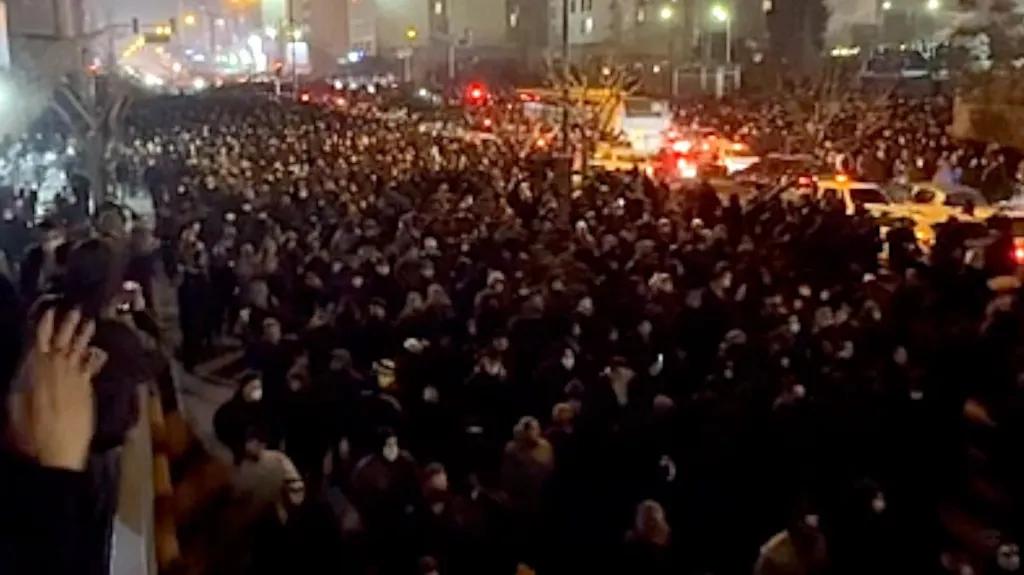
The same reporting described a context of continued unrest, stating that Iranian authorities killed thousands of people during anti-government protests in January, Iran’s worst domestic unrest since the era of its 1979 Islamic Revolution.
In the background, the Detroit Catholic report said that since the start of the conflict Feb. 28, when the United States and Israel launched strikes in Iran, more than 3,000 people have been killed, including an estimated 1,700 civilians, according to human rights groups and Iranian media.
Immigrants and the protest
Alongside his condemnation of killings in Iran, Pope Leo also addressed protests and public anger through a separate but related theme: how migrants and refugees are treated when they try to escape violence or poverty.
In Al Jazeera’s account of his Thursday press conference, the pope said migrants and refugees are often viewed as "worse than house pets or animals," adding, "They are human beings, and we have to treat human beings in a humanitarian way and not treat them worse … than house pets or animals."
The UnionLeader report echoed the same language, stating that he decried the world’s treatment of immigrants and called for humane treatment while on his flight back to Rome after a four-nation Africa tour.
That report also described his criticism of Donald Trump’s hardline immigration policies, saying Trump had attacked him as "terrible" on April 12 after he emerged as an outspoken critic of the Iran war and the president’s hardline anti-immigration policies.
In the Al Jazeera account, the pope said countries have a right to control their borders but urged richer nations to help develop the countries that migrants are leaving, so they do not feel the need to leave.
He asked, "What are richer countries doing to change the situation for poorer countries?" and then, "And why can’t we seek … to change the situations in [those] countries?"
Catholic World Report similarly described his in-flight press conference as spanning war, migration, and the Holy See’s relations with authoritarian governments, with the pope stressing that the primary purpose of a papal trip is pastoral rather than political.
Trump, peace talks, and war
The protests in Iran and the pope’s condemnation were presented in the sources alongside a wider diplomatic and military context, including U.S.-Iran peace talks and the broader conflict that began with strikes in Iran.
Detroit Catholic said the pope’s remarks came aboard the papal flight back to Rome after an 11-day trip to Africa, and it stated that a fragile ceasefire remains in place even as tensions rattle global markets and oil flows through the Strait of Hormuz.
It also said that until then, Pope Leo had limited his public remarks on the conflict to appeals for peace and dialogue, but on the return flight he directly addressed the moral implications of state violence.
In that account, he said, "If there is regime change or no regime change, the question is how to promote the values in which we believe without the death of so many innocents," and he added, "The question of Iran is evidently very complex."
UnionLeader similarly described his comments as coming after a week of criticism from U.S. President Donald Trump, who questioned the pope’s stance on the conflict.
It said Trump attacked him on social media as "terrible" on April 12 and then asked "will someone please tell Pope Leo" about the deaths of Iranian protesters.
Al Jazeera added that the pope did not wish to "debate" Trump and that he did not fear the Trump administration, saying, "I will continue to speak out loudly against war, looking to promote peace, promoting dialogue and multilateral relationships among the states to look for just solutions to problems."
In-flight press conference framing
The sources also differ in how they frame the pope’s remarks about protests and state violence, especially by describing where and how he spoke.
Catholic World Report described a roughly 20-minute in-flight press conference with journalists traveling with him from Malabo, Equatorial Guinea, to Rome after his apostolic journey to Africa, and it emphasized that before taking questions, the pope stressed that the primary purpose of a papal trip is pastoral rather than political.

It quoted him saying, "When I make a trip — speaking for myself, but today as pope, bishop of Rome — especially an apostolic, pastoral trip, it is to find, accompany, and come to know the people of God," and it added that such journeys should be understood as "an expression of wanting to announce the Gospel, proclaim the message of Jesus Christ."
In the same in-flight account, he addressed the negotiations aimed at ending the conflict involving Iran, Israel, and the United States, calling for a "new attitude, a culture of peace" and warning that violence and war lead to "many innocent people" dying.
It also included his condemnation of capital punishment, quoting him as saying, "I condemn all actions that are unjust, I condemn the taking of people’s lives. I condemn capital punishment," and it asserted that human life should be respected "from conception to natural birth."
By contrast, Al Jazeera’s account focused on a Thursday press conference as he flew back to Rome following a four-nation Africa tour, and it highlighted his statement that migrants and refugees are treated "worse than house pets or animals."
UnionLeader similarly centered on the Thursday condemnation of protesters in Iran and connected it to Trump’s social media attacks, including the line "will someone please tell Pope Leo."
What comes next
The sources portray the pope’s condemnation of protesters and his broader calls for peace as part of an ongoing diplomatic and moral campaign, with immediate implications for how he responds to war, negotiations, and governance.
Catholic World Report said the pope encouraged the continuation of dialogue for peace and urged efforts to seek responses that come from a culture of peace and not from hatred, quoting him as saying, "Rather, I would encourage the continuation of dialogue for peace," and "As Church, I say again, and as a pastor, I cannot be in favor of war."
It also described his approach to authoritarian governments during his Africa trip, saying he defended his decision to visit countries known for having authoritarian leaders and that the Vatican maintains diplomatic relationships with the governments in those countries.
In that account, he said, "We don’t always make great proclamations … but there’s an awful lot of work that goes on behind the scenes to promote justice," and it framed his diplomatic posture as a way to promote justice behind the scenes.
Al Jazeera similarly described him returning to Rome after wrapping up his Africa trip in Equatorial Guinea and said he called for better treatment of migrants while urging richer nations to help develop the countries migrants are leaving.
UnionLeader added that the pope carried with him a photo of a child killed by Israeli strikes targeting Hezbollah militants in Lebanon and said, "We have seen so many innocents killed," while also reiterating, "As a pastor, I cannot be in favor of war."
Detroit Catholic described the ceasefire and the continuing tensions in global markets and oil flows through the Strait of Hormuz, and it said the pope had directly addressed the moral implications of state violence on the return flight.
More on Protests

Wisconsin Police Fire Tear Gas And Rubber Bullets As Activists Storm Ridglan Farms
34 sources compared

Palestine Action Activist Samuel Corner Hits Police Sergeant Kate Evans With Sledgehammer at Elbit Systems UK
10 sources compared

Jewish Voice for Peace Leads Nearly 100 Arrests in NYC Protest Against US Bomb Sales to Israel
11 sources compared
Robert Del Naja Arrested at Palestine Action Protest in London’s Trafalgar Square
17 sources compared