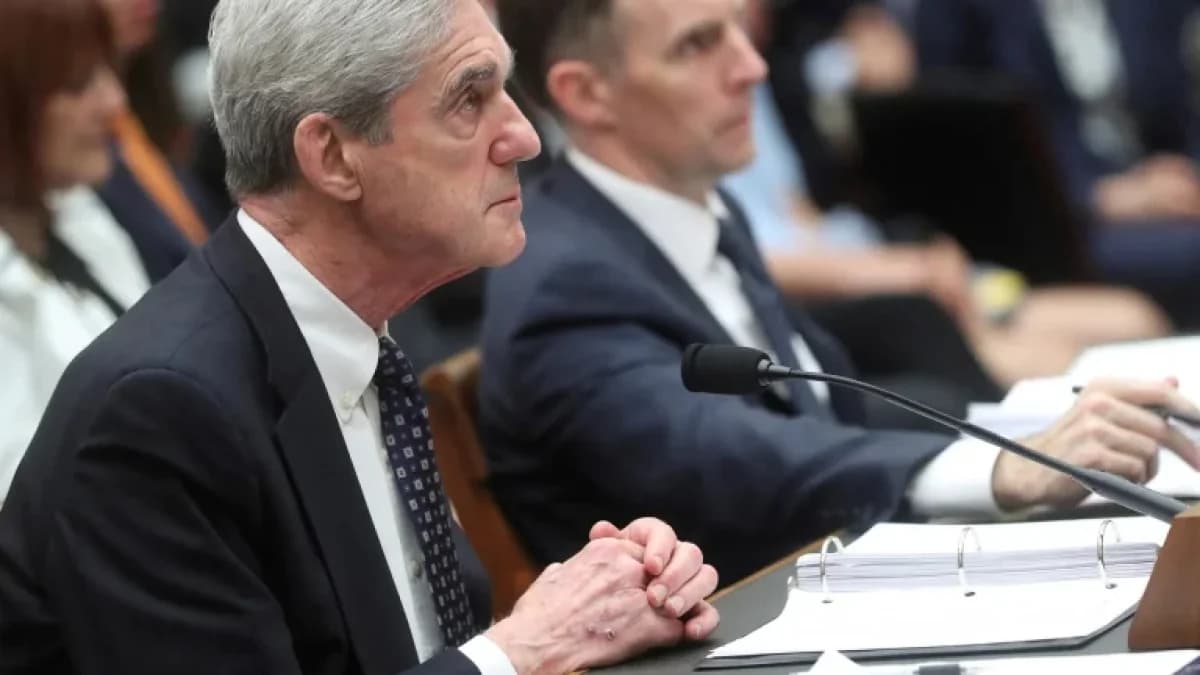
President Donald Trump Celebrates Former FBI Director Mueller's Death
Key Takeaways
- Mueller died at 81, former FBI director and special counsel in Russia probe.
- Trump publicly celebrated Mueller's death on Truth Social with 'Good, I’m glad he’s dead'.
- Led Russia investigation as special counsel, probing interference in the 2016 US election.
Trump's Reaction
President Donald Trump publicly celebrated the death of former FBI Director Robert Mueller with a crude Truth Social post that shocked observers across political divides.
“Well, I'm glad he's dead”
Trump wrote, 'Robert Mueller just died. Good, I'm glad he's dead. He can no longer hurt innocent people!' shortly after Mueller's family announced his passing at age 81.
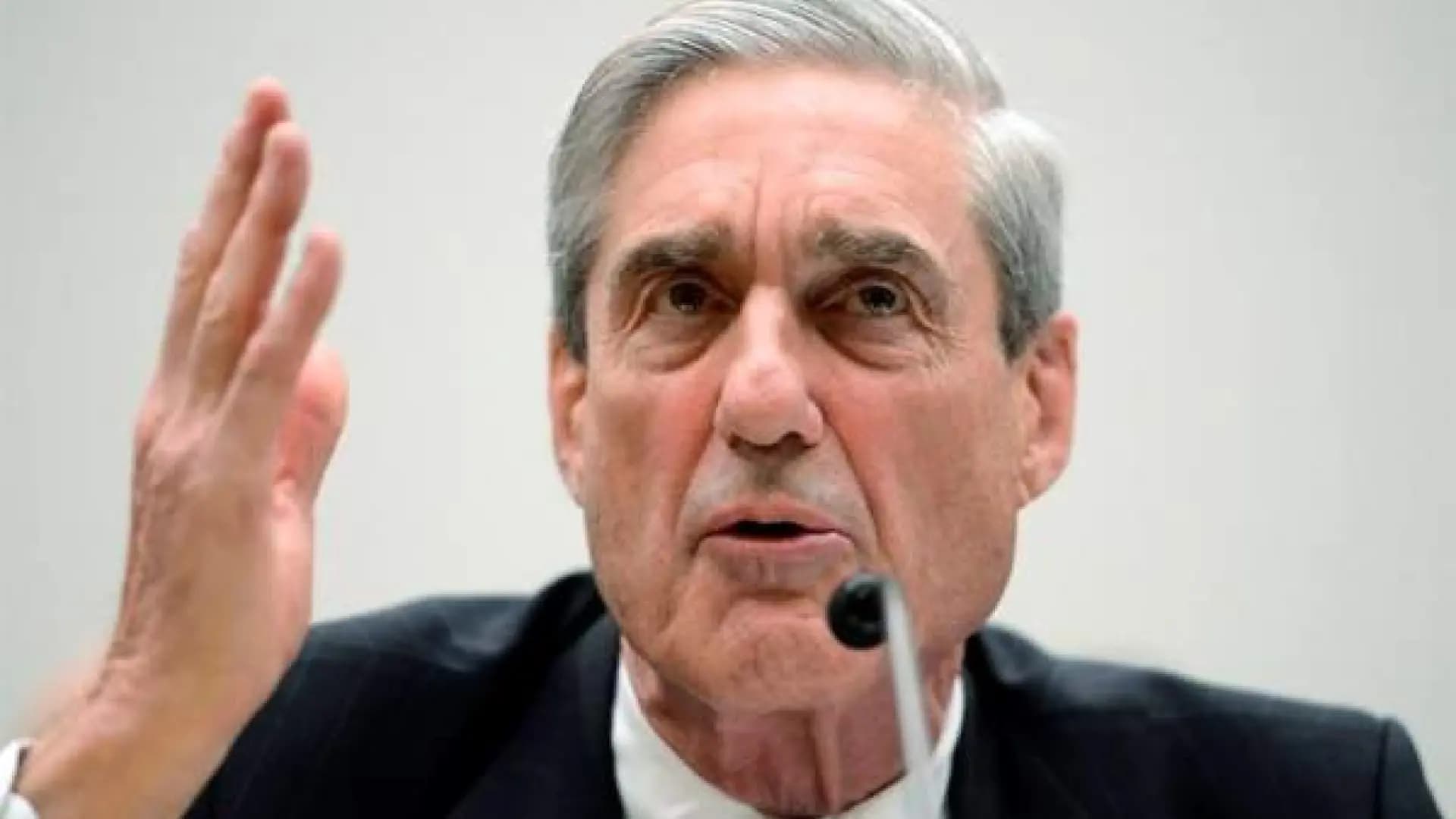
The president's immediate reaction starkly contrasted with the family's request for privacy and represented the culmination of deep personal animosity that dated back to Mueller's investigation into Russian interference in the 2016 presidential election.
This outburst came amid reports that Mueller had been diagnosed with Parkinson's disease in 2021, though no official cause of death was immediately disclosed by his family.
The timing and tone of Trump's response reflected the intense partisan divisions that had defined Mueller's later public career, particularly during the controversial Russia investigation that dominated much of Trump's presidency.
Mueller's Background
Robert Mueller had established himself as one of America's most respected law enforcement figures before his death, serving 12 years as FBI director from 2001 to 2013 - the second-longest tenure in the agency's history after J. Edgar Hoover.
Appointed by President George W. Bush just one week before the September 11, 2001 attacks, Mueller oversaw a dramatic transformation of the FBI from a domestic crime-fighting agency to a counterterrorism-focused national security organization.

His military service during the Vietnam War earned him a Bronze Star with valor and a Purple Heart, while his legal career included prosecuting high-profile cases against figures like Panamanian dictator Manuel Noriega and mob boss John Gotti.
Mueller maintained a reputation for integrity across party lines, with President Barack Obama praising him for setting 'the gold standard for leading the bureau.'
Despite his rigorous public service, Mueller had largely withdrawn from public life in recent years after being diagnosed with Parkinson's disease in 2021, leaving behind his wife of nearly 60 years, Ann Cabell Standish, and their two daughters.
Russia Investigation Context
The deep-seated animosity between Trump and Mueller stemmed from Mueller's appointment as special counsel in May 2017 to investigate Russian interference in the 2016 presidential election.
“WASHINGTON -- Robert S”
The investigation, which lasted nearly two years, resulted in Mueller filing criminal charges against six of Trump's associates, including his campaign chairman Paul Manafort and national security adviser Michael Flynn.
Mueller's 448-page report, released in April 2019, identified substantial contacts between the Trump campaign and Russia but did not establish a criminal conspiracy.
However, the document detailed 77 specific instances where Trump's campaign staff, administration officials and family members made false statements to the public, Congress or authorities.
The report's most damaging conclusion regarding obstruction of justice stated: 'If we had confidence after a thorough investigation of the facts that the president clearly did not commit obstruction of justice, we would so state. Based on the facts and the applicable legal standards, we are unable to reach that judgment.'
This nuanced finding became a focal point of intense political debate, with Trump repeatedly claiming vindication while Mueller made clear the report did not exonerate him.
Bipartisan Condemnation
Trump's celebration of Mueller's death drew widespread condemnation from politicians and observers across the political spectrum, highlighting the deep polarization that defined American politics during that era.
Democratic Senator Mark Warner responded with a tribute to Mueller's service, stating: 'Robert Mueller devoted his life to service — from the Marine Corps to leading the FBI and serving as Special Counsel. He believed deeply in the rule of law and the responsibility to uphold it.'

Republican lawmakers also expressed disapproval, with Representative Jason Crow calling Trump 'a petty, sick, and vile man' and noting that Mueller had 'volunteered for Vietnam — at the same time Trump avoided serving.'
The stark contrast between Trump's gleeful reaction and the bipartisan respect for Mueller's decades of public service underscored the extent to which political divisions had consumed Washington.
The incident also reignited debates about presidential decorum and the appropriate boundaries of political discourse, particularly regarding deceased former officials who had served in government.
Mueller's Legacy
Robert Mueller's death at 81 marked the end of a career that spanned multiple defining moments in American history, from the Vietnam War to the 9/11 attacks to the Trump-Russia investigation.
“Good, I’m glad he’s dead”
His transformation of the FBI in the post-9/11 era shifted the agency's focus from solving domestic crimes to preventing terrorist attacks, a change that 'imposed an almost impossibly difficult standard on Mueller and the rest of the federal government: preventing 99 out of 100 terrorist plots wasn't good enough.'

As special counsel, Mueller's investigation established important precedents for how politically sensitive inquiries could be conducted within the Justice Department, though his congressional testimony in 2019 was criticized for being overly cautious and failing to fully defend his findings.
The polarized reactions to his death reflected how Mueller had become a symbol of both institutional integrity and partisan warfare, with his legacy likely to be debated for years to come.
The combination of Trump's immediate celebration of Mueller's passing and the family's request for privacy highlighted the ongoing tensions between political retribution and the dignified mourning of public servants.
More on USA

Trump threatens to deploy ICE agents to US airports amid DHS funding standoff
46 sources compared

ICE Detainee Royer Perez-Jimenez Dies in Florida Detention Center; Officials Suspect Suicide
10 sources compared
Elon Musk Offers to Pay TSA Salaries During Partial Government Shutdown
50 sources compared

California lawmakers rename Cesar Chavez Day to Farmworkers Day amid sexual abuse allegations.
17 sources compared