
President Donald Trump Faces Tough Decisions as Iran War Enters Third Week
Key Takeaways
- Trump attacks UK's Iran war stance, widening tensions with Western allies.
- Iran war ongoing and expanding, drawing international scrutiny.
- Trump initiated the war against Iran.
Trump's Strategic Dilemma
President Donald Trump faces a critical dilemma as the Iran conflict enters its third week.
“On nearly every occasion President Trump has found himself in front of a camera in the last few days, he has had a pop at the prime minister and at the UK”
Both continuing the fight and attempting to withdrawal present deeply problematic options.
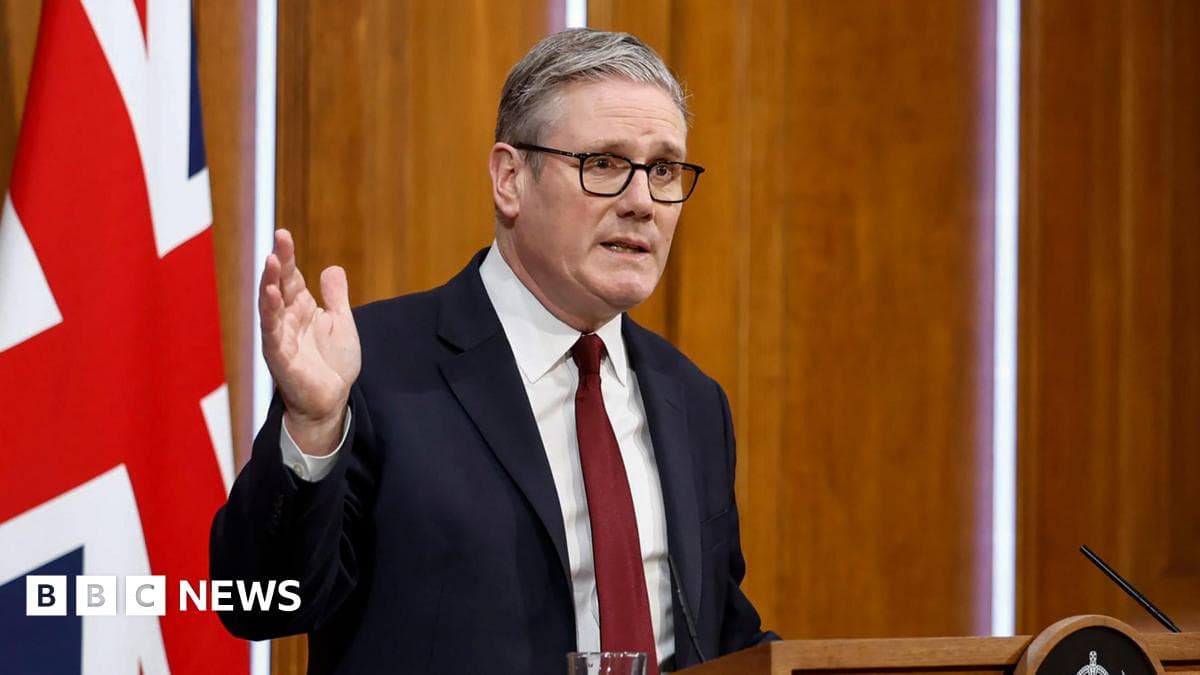
Trump initiated the war alongside Israel, now confronting the consequences of his decision.
The conflict has become the largest Middle East conflict in nearly a quarter of a century.
Neither path is without significant risks as the conflict has expanded and intensified.
The conflict has generated harmful waves of military, diplomatic, and economic shock.
His original ambitious objectives remain largely unachieved.
Any decision carries substantial consequences for American interests, lives, and international standing.
Continuation Challenges
The path of continuing the conflict presents numerous challenges.
These include risks to American lives and accelerated economic costs.
Continuing could potentially erode alliances.
Iran has proven adept at imposing economic costs on the U.S. and allies.
The conflict has entangled global energy markets.
Iran has attacked a dozen countries across the region.
Trump's political base shows anxiety over his broken promise to avoid new wars.
This creates a balance between nationalist credentials and military engagement.
Energy markets face disruption from regional instability.
Withdrawal Complications
The path of withdrawal presents formidable obstacles.
“Two weeks after the start of the war against Iran, which he himself decided to initiate, President Donald Trump faces a stark dilemma: stay in the fight to achieve the overwhelmingly ambitious objectives he has set, or try to withdraw from a conflict that is expanding and intensifying and that is generating harmful waves of military, diplomatic, and economic shock”
Most of Trump's original objectives remain unachieved.
U.S.-Israeli forces have destroyed much of Iran's missile arsenal and air defenses.
They have crippled Iran's navy.
Ayatollah Ali Khamenei has died after nearly forty years in power.
An emboldened theocracy remains in power.
The ayatollah's wounded son has vowed to continue asymmetric capabilities.
The Islamic Revolutionary Guard Corps remains in power.
Militias responsible for killing protesters remain in their posts.
A wounded government may be more motivated to pursue nuclear weapons.
Nuclear Dilemma
The nuclear dimension adds complexity to Trump's decision-making.
A nearly bomb-ready nuclear fuel stockpile remains in Iran.
Secretary of State Marco Rubio suggests a ground operation may be needed.
This would involve recovering material from deep underground vaults.
Such an operation would be enormously risky.
Trump has considered but not ordered such an action.
This creates a strategic paradox: continuing risks escalation.
Withdrawal could leave Iran with enhanced nuclear capabilities.
This might require even more dangerous intervention in the future.
The nuclear question concerns international diplomatic circles.
Allies express concern about regional proliferation.
International Law Divide
International law perspectives create tensions with allies.
“Accessibility helpSkip to navigationSkip to main contentSkip to footer > Donald Trump launches fresh attack on UK’s ‘terrible’ Iran war stance Subscribe to unlock this article Try unlimited access Only £1 for 4 weeks Then £59 per month”
Prime Minister Keir Starmer shows alignment on multiple factors.
He sees parallels between this conflict and the Iraq War.
Starmer emphasizes importance of international law.
He views U.S.-Israeli attacks as breaches of international law.
His position aligns with Labour MPs and British public opinion.
Starmer remains confident despite Trump pressure.
This divergence adds complexity to international diplomacy.
The legal and strategic perspectives differ between Washington and London.
Critical Juncture
The Iran war enters its third week with no clear path to victory.
Both continuing and withdrawing have substantial consequences.
Military, economic, diplomatic, and political dimensions weigh heavily.
The conflict has altered the Middle East strategic landscape.
Iran has demonstrated resilience despite military setbacks.
The war has created new regional alliances and tensions.
It has disrupted global energy markets.
It has tested international security architecture.
Trump's next moves will determine immediate conflict trajectory.
They will shape the broader geopolitical environment for years.
This represents one of America's most challenging foreign policy crises.
More on Britain

DOJ Releases First Known Photo Showing Andrew Mountbatten-Windsor and Peter Mandelson With Jeffrey Epstein
17 sources compared
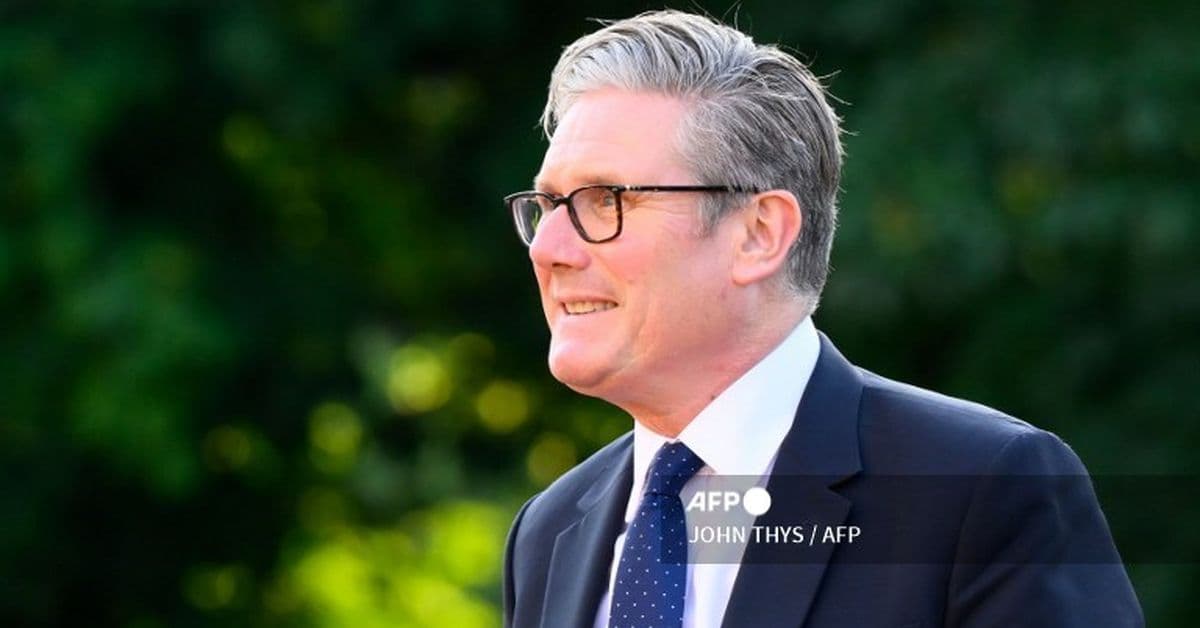
Starmer appoints Peter Mandelson as U.S. ambassador despite warnings over Epstein ties
15 sources compared

Home Secretary Shabana Mahmood Bans Al-Quds Pro-Palestine March in London
17 sources compared
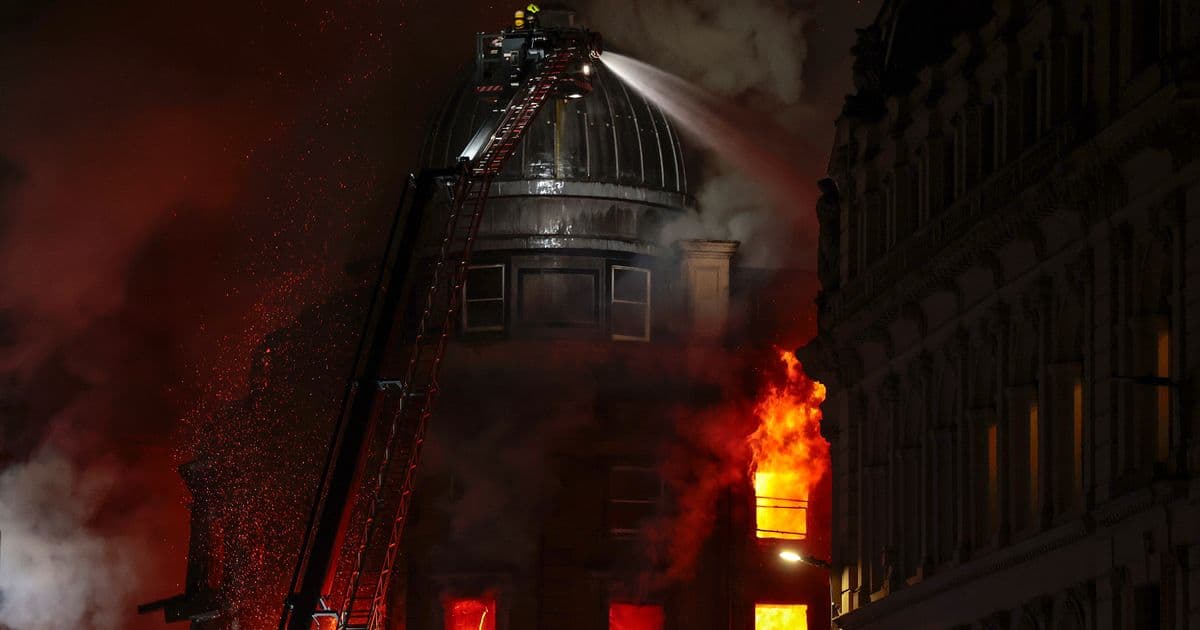
Fire Destroys Victorian Building Beside Glasgow Central, Forces Closure of Scotland's Main Rail Hub
28 sources compared