
President Donald Trump launches Section 301 probe to revive tariffs on EU, China
Key Takeaways
- USTR opened a Section 301 investigation into foreign manufacturing and trade practices.
- Probe targets the European Union and China as major exporting partners.
- Investigation seeks to revive tariffs after the Supreme Court struck down prior tariffs.
What the probe is
President Donald Trump’s administration has opened a Section 301 trade investigation intended to revive and replace tariffs that the US Supreme Court struck down, setting a legal pathway that could lead to new import taxes.
“Donald Trump has launched a new trade offensive against the European Union and other major exporting partners with the opening of a formal investigation that could lead to new tariffs and other possible trade measures”
The probe, announced by the Office of the United States Trade Representative, is explicitly framed as an effort to sustain the president’s trade agenda after the court decision and to recoup lost revenues by using a different legal tool.
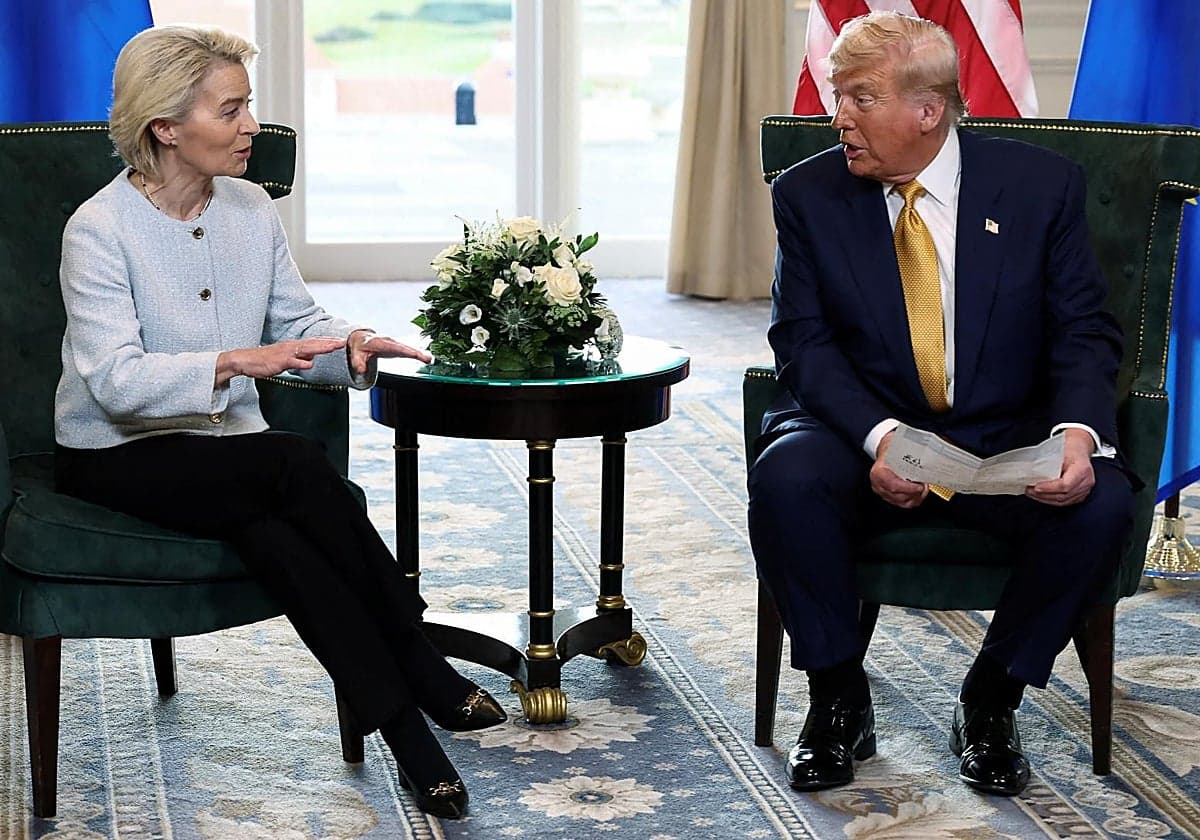
USTR officials stressed they would not prejudge the outcome of the investigation even as they pursue the new process.
Countries under review
The investigation targets a wide swath of US trading partners, with the USTR naming the European Union and China among the principal focuses and listing dozens of other economies under review.
ABC’s coverage lists the specific countries affected, including the EU, China, and a long roster of Asian and global exporters, while Spanish outlet COPE likewise notes that the probe will cover a mix of European and non‑European manufacturers.
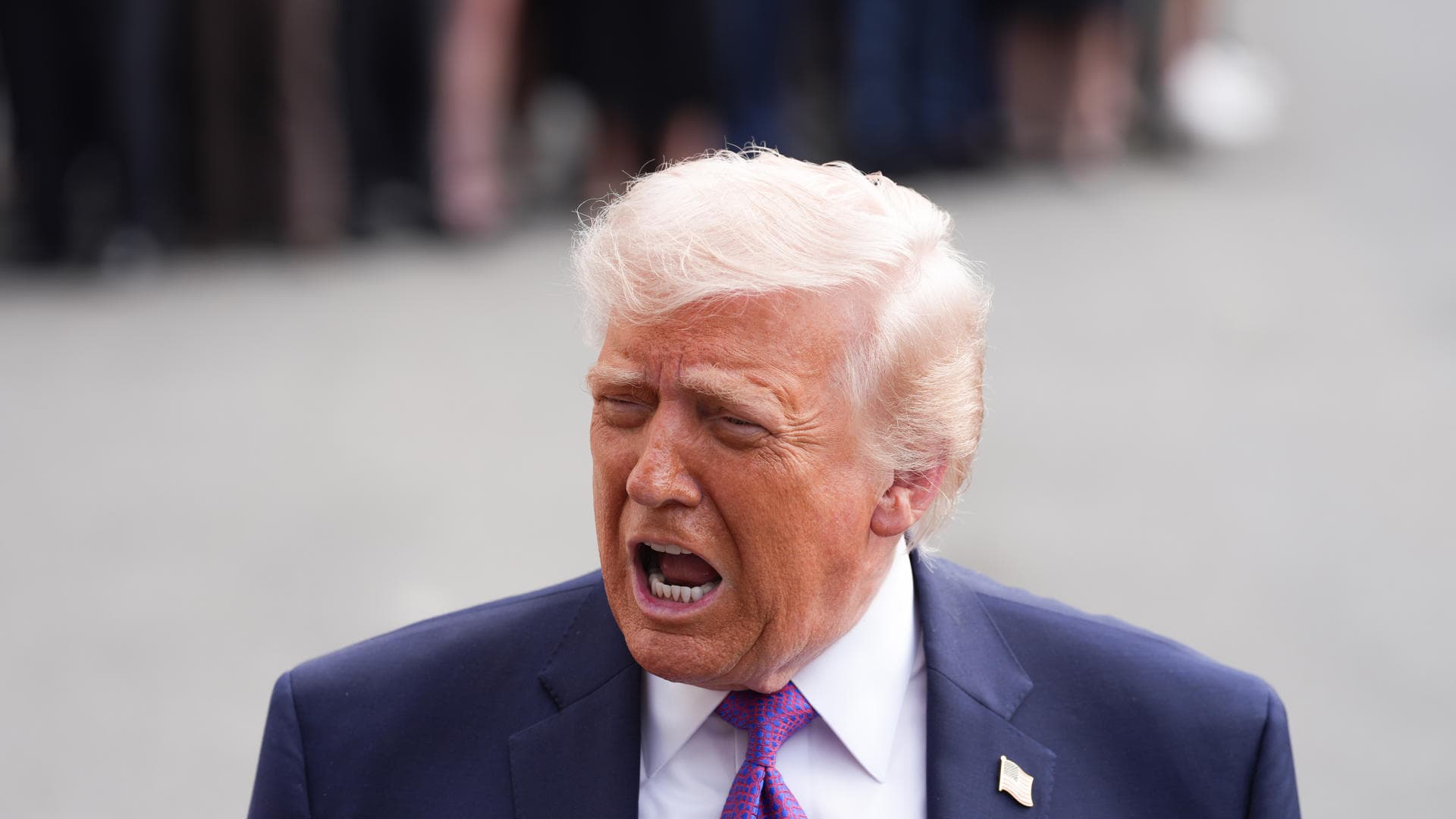
The South China Morning Post framed the move as a bid specifically “into China and EU” as part of that wider targeting.
Administration rationale
Administration officials argue the probe is a continuation of Trump’s trade offensive and a response to what they describe as unfair practices and unfulfilled commitments by partners, especially in Europe.
“US launches trade probe into China and EU in bid to revive Trump tariffs The Section 301 investigations could lead to another set of import taxes to replace those struck down by the Supreme Court The Trump administration on Wednesday opened a new trade investigation into manufacturing in foreign countries – an effort that comes after the Supreme Court struck down US President Donald Trump’s previous use of tariffs by declaring an economic emergency”
USTR statements emphasised that the inquiry seeks to examine “excessive structural capacity” and overproduction, and the administration has portrayed the step as a way to keep pressure on Brussels while formally maintaining trade pacts.
At the same time, coverage shows different characterisations of the administration’s tone: ABC quotes the USTR saying “The EU has done approximately 0% of what it was supposed to do,” while COPE’s piece frames the probe as designed to “demonstrate that Europe takes commercial advantage of the United States” and thereby justify keeping levies in place.
Legal context and timing
There are notable legal and timing details emphasised across the coverage: outlets report the probe follows a Supreme Court ruling that invalidated prior tariff actions, the USTR had signalled a pivot to Section 301 as early as Feb. 20, and commentators note the move keeps tariffs effectively in place while the new process runs.
COPE says the investigation is “expected to conclude in June,” ABC stresses the action “does not imply immediate penalties, but it does open the legal process to impose them later,” and the South China Morning Post frames the step as an attempt to replace lost tariff revenues after the court decision.
Political implications
Analysts and national media also highlight political implications for transatlantic and sectoral relations, noting specific national sensitivities and disputed claims about investment figures.
“Trump launches a new trade offensive against the European Union: opens a formal investigation into “illegal and unfair” trade practices The White House is seeking a new way to maintain tariffs on European products that the Supreme Court had struck down as illegal”
ABC records the administration citing a $600 billion investment figure tied to an EU pact and also notes Reuters’ clarification of what that number represented, while COPE flags direct threats and concerns for Spanish exporters such as olive oil producers if tariffs remain.
The coverage collectively depicts an effort by the White House to sustain a protectionist agenda through alternative legal routes and to keep leverage over key partners while legal and political debates play out.
More on Business

Senate Passes Bipartisan Housing Bill Banning Institutional Investors From Buying Single-Family Homes
19 sources compared

Senate Passes Bipartisan Housing Bill Banning Institutional Investors From Buying Single-Family Homes
29 sources compared

Lucid Group Reveals Cosmos and Earth Midsize EVs Starting Under $50,000
10 sources compared
IEA Proposes Largest-Ever Strategic Oil Reserve Release to Reshape Global Markets
15 sources compared