President Donald Trump predicts Iran war could end, sends oil prices tumbling 15%
Key Takeaways
- Trump predicted the Iran war could end soon, triggering volatile oil market reactions.
- Oil prices plunged sharply, with reported falls ranging roughly from 7% to 15%.
- Global equity markets rebounded as oil dropped, with U.S. and Asia indexes rising.
Trump calms markets
President Donald Trump’s remarks that the war with Iran could be nearing an end prompted a sharp market pullback as traders pared positions built on earlier fears of prolonged supply disruption.
“Oil prices swing wildly as Iran war threatens transport routes and production across Middle East Oil prices swing wildly as Iran war threatens transport routes and production across Middle East The widening Iran war has upended oil production and shipping across the Middle East, straining energy supplies worldwide”
Offshore Engineer Magazine reported that "Oil prices plummeted 7% on Tuesday after soaring to a more than three-year high in the previous session as U.S. President Donald Trump predicted the war in the Middle East could end soon, easing concerns about prolonged disruptions to oil supplies."
The outlet also recorded that "Brent futures LCOc1 fell $6.79, or 6.9%, to $92.17 a barrel" and that Trump had said in a CBS interview he thought the war was "very complete" and that Washington was "very far ahead" of his initial time frame.
World Oil captured the scale of the retreat, saying WTI "fell as much as 10% to $85.52/bbl following a highly volatile trading session" while The Economic Times described Brent as having "dropped more than 7% and traded near $91.71 per barrel after reaching $119.50 earlier."
Extreme intraday swings
The price move capped a day of extraordinary volatility that included an earlier surge into triple digits and record intraday swings.
World Oil noted that earlier in the session "crude had surged past $100/bbl as traders reacted to the near-closure of the Strait of Hormuz," and that WTI "traded within a $38/bbl range during Monday’s session, while Brent crude fell roughly $20 from its intraday high to the close — the largest drop from a session peak on record."
The Honolulu Star-Advertiser documented that "both crude benchmarks surged to a session high above $119 a barrel, their highest since June 2022," and The Economic Times said markets "had surged earlier as much as 29% to the highest level since mid-2022."
Political & policy drivers
Market participants pointed to a cluster of developments beyond Trump’s comments that helped push prices lower: a reported phone call between Trump and Vladimir Putin, talk of easing Russian oil sanctions, and consideration of strategic reserve releases.
Offshore Engineer Magazine said prices "later retreated after Russian President Vladimir Putin held a call with Trump and shared proposals aimed at a quick settlement to the war, according to a Kremlin aide, easing concerns about supply."
The Economic Times reported that "reports said the Trump administration may consider easing sanctions on Russian oil exports to stabilize global energy prices," while World Oil noted that prices "retreated as major economies considered a coordinated release of strategic petroleum reserves to stabilize global supply."
At the same time Associated Press News recorded that the G7 "decided against using their strategic reserves, at least for now," with France saying "We’re not there yet."
Gulf supply risks
Concerns about real-world supply disruptions and regional escalation underpinned the market moves, and several sources pointed to specific Gulf risks.
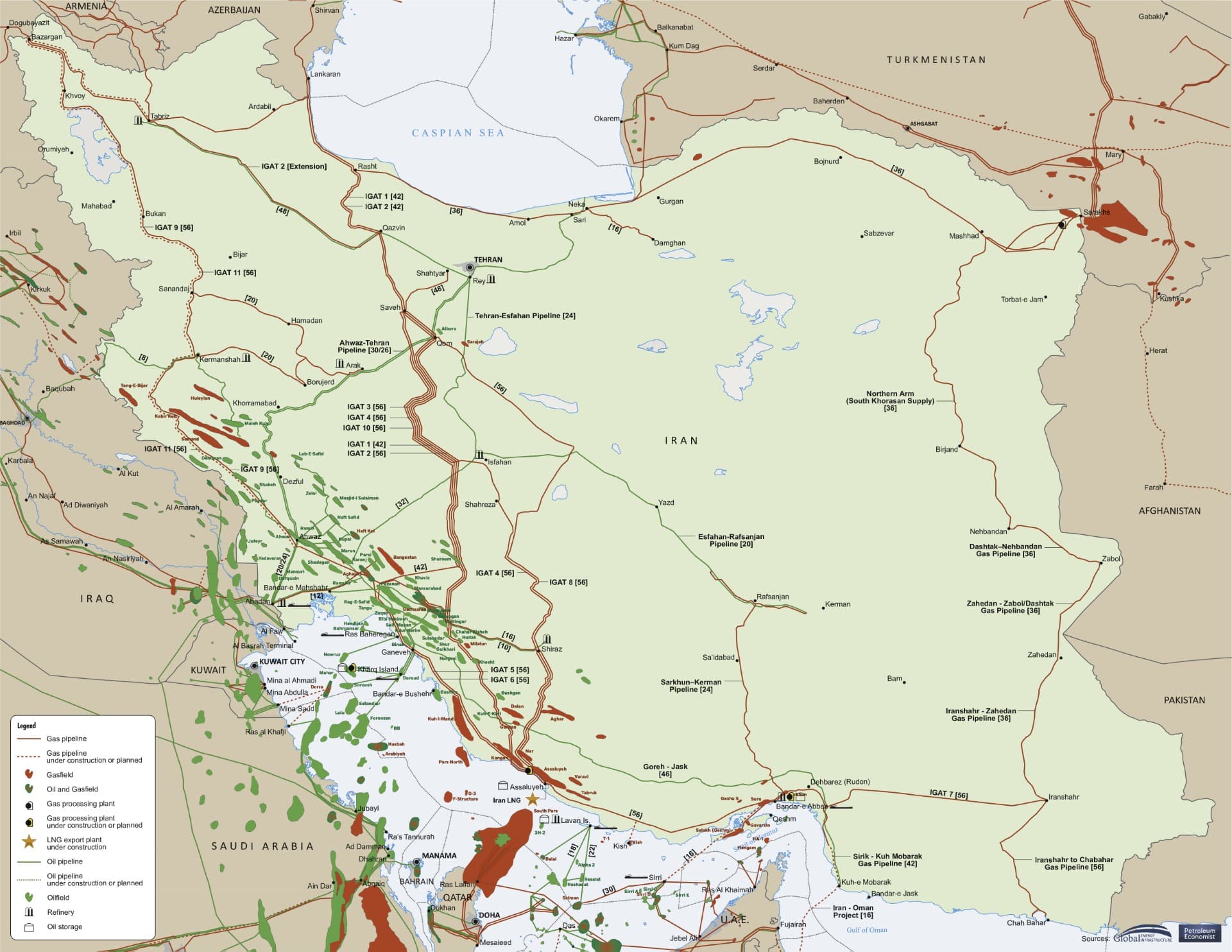
World Oil flagged traders' reaction to the 'near-closure of the Strait of Hormuz' as central to the earlier spike, while Offshore Engineer Magazine and The Economic Times noted that "supply cuts by Saudi Arabia and other producers during the expanding U.S.-Israeli war on Iran stoked fears of major disruptions to global supplies."

The Honolulu Star-Advertiser quoted Iran’s Revolutionary Guard as saying Tehran would not allow "one litre of oil" to be exported if attacks continued, reported that "Nearly 1.9 million barrels per day of crude refining capacity in the Gulf has been shut in" and that "Abu Dhabi state oil giant ADNOC has shut its Ruwais refinery" after a strike.
Saudi Arabia’s Aramco warned of "catastrophic consequences" for global oil markets if the Iran war continued to disrupt shipping in the Strait, the Honolulu piece added.
Economic fallout & outlook
Analysts and officials warned the shock could ripple through economies even if prices later eased, and they stressed that supply restoration would not be immediate.
“(Reuters - Reporting by Stephanie Kelly in London, Anushree Mukherjee in Bengaluru and Emily Chow in Singapore; Editing by Kate Mayberry, Bernadette Baum) © 2026 AtCoMedia”
Associated Press News said "The surge in costs for oil and natural gas is still pushing fuel prices higher, cascading through a range of industries" and warned that "Asian economies are especially vulnerable."

The Honolulu Star-Advertiser quoted Simon Flowers of Wood Mackenzie saying that "cranking up the supply chain won’t be swift" and that "restarting production to full output could take weeks or even longer."
Honolulu also cited Goldman Sachs as saying it "was not changing its oil price forecast" because the situation remained fluid.
World Oil summarized that "oil markets have been experiencing extreme volatility as traders attempt to gauge both the duration of the conflict and the potential impact on global supply."