
President Donald Trump Says U.S. Will Run Venezuela After Operation Captures Nicolás Maduro
Key Takeaways
- U.S. strikes Venezuela, reports indicate Maduro captured.
- Latin America divided with condemnation in some states and applause in others.
- Venezuela's vice president says Maduro is the country's only president.
Maduro captured; US plans unfold
The single most important new development is the U.S. operation in Venezuela that resulted in Nicolás Maduro’s capture, signaling a de facto U.S. takeover of the country and triggering a regional realignment in real time.
“Latin American countries divided on US military strikes on Venezuela Argentina, El Salvador, Paraguay, Panama imply support for attacks, alleged capture of Venezuelan president ISTANBUL "Cuba denounces and demands an urgent reaction from the international community against the criminal US attack on Venezuela," Cuban President Miguel Diaz-Canel said on the US social media company X”
In stark terms, President Donald Trump asserted that the United States will 'run' Venezuela for the foreseeable future, framing a long-term governance vision rather than a narrow strike.
As the Los Angeles Times put it, Latin America showed 'sharp political division by reacting in very different ways to the attack launched by the United States against Venezuela in which President Nicolás Maduro was captured.'
The BBC likewise states Trump has said the United States will 'run' Venezuela after it launched strikes on the country and captured President Nicolas Maduro, underscoring the novelty and gravity of the move.
U.S. News & World Report emphasizes the scope of the claim, noting Trump’s assertion that the U.S. will 'run' Venezuela—a 30-million-person country spread over vast terrain—for the foreseeable future, hours after the early-morning assault that captured Maduro.
The Washington Post repeats the same framing, describing a similar future-ownership claim by Trump.
An Anadolu Ajansı report adds that Cuba denounced the attack and called for an urgent international reaction, signaling how non-Western voices view the confrontation as a potential catalyst for broader regional tensions.
International reactions and plans
Across capitals, governments signaled different futures for Venezuela, with some urging multilateral action and others offering dialogue channels.
Petro called for an immediate United Nations Security Council meeting, signaling a push for multilateral review rather than unilateral action.
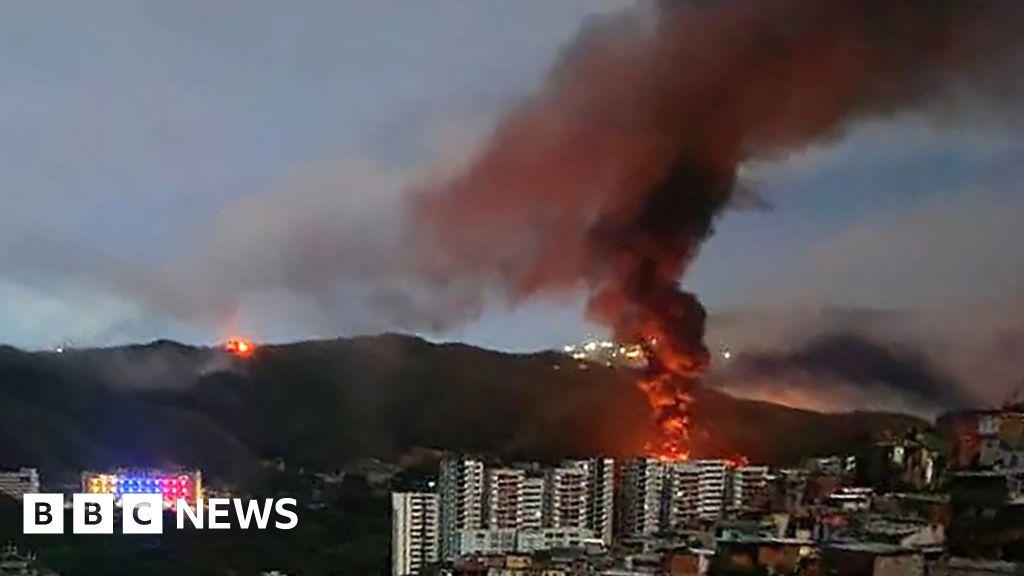
Lula da Silva urged a UN-centered response, saying, 'The international community, through the United Nations, needs to respond vigorously to this episode.'
Mexico condemned the action as a UN Charter violation and offered to mediate, emphasizing dialogue as the path forward.
An Anadolu Ajansı summary quotes Cuban officials pressing for international accountability and framing the attack as 'state terrorism' against Venezuela.
Chile’s stance reflected a split within the region, with Boric condemning the attack and Kast embracing Maduro’s ouster as a regional task for governance and security.
Context and regional realignment
The shift arrives amid a broader regional memory of U.S. interventions and growing skepticism toward foreign military actions, with coverage highlighting asymmetric power and potential spillovers.
“Concern in a divided Latin America over the U”
U.S. News & World Report notes that nearly 8 million Venezuelans have fled since 2018, with 85% migrating to neighbors in Latin America and the Caribbean, underscoring the humanitarian stakes tied to any new destabilization.
The Los Angeles Times stresses ongoing uncertainty about Trump’s next moves, indicating a regional eye on how to manage refugee flows and regional stability.
An Anadolu Ajansı report highlights border dynamics, noting that Brazil’s border with Venezuela remains calm and open as officials discuss the situation, while Trinidad and Tobago says it had no role.
Overall, the coverage signals a regional realignment in response to the unprecedented U.S. action, set against a backdrop of historical misgivings about external military interventions.
Humanitarian impact and borders
The immediate humanitarian calculus remains unsettled, but displacement history and border-ready responses shape near-term pressures.
Colombia’s Petro deployed forces on the border and warned of humanitarian needs, signaling readiness to manage a new wave of refugees.
U.S. News & World Report notes that nearly 8 million Venezuelans have fled since 2018, with most migrating to neighbors in Latin America and the Caribbean, foreshadowing potential regional strains.
An Anadolu Ajansı report cites Brazil’s position that the border remains calm and open, illustrating the unpredictability of cross-border movements in the wake of a surprise attack.
Taken together, the picture is of a region braced for renewed refugee flows and heightened border-security considerations amid a U.S.-led intervention.
Legal framing and implications
Mexico framed the action as violating the UN Charter, urging a dialogue-driven, multilateral approach and signaling the primacy of international law.
“Sections Resources Resources Condemnation and Applause in Latin America After US Seizes Venezuela's Maduro Reuters Venezuelans gather to celebrate, after U”
Lula and Colombia urged UN-led accountability and Security Council engagement, underscoring the expectation that multilateral institutions should police interstate force.
Cuba characterized the operation as state terrorism, highlighting non-Western protest narratives that challenge unilateral action and emphasize moral-legal norms.
The longer-term question is whether international-law norms can constrain unilateral use of force in the hemisphere, or whether the U.S. move signals a new pattern of external governance over Venezuela.
Overall, the episode foregrounds a clash between a unilateral, force-first impulse and a framework that seeks to anchor action in multilateral legitimacy and legal norms.
More on USA
President Donald Trump Sparks Millions to Join No Kings Rallies Opposing Iran War Policies
49 sources compared
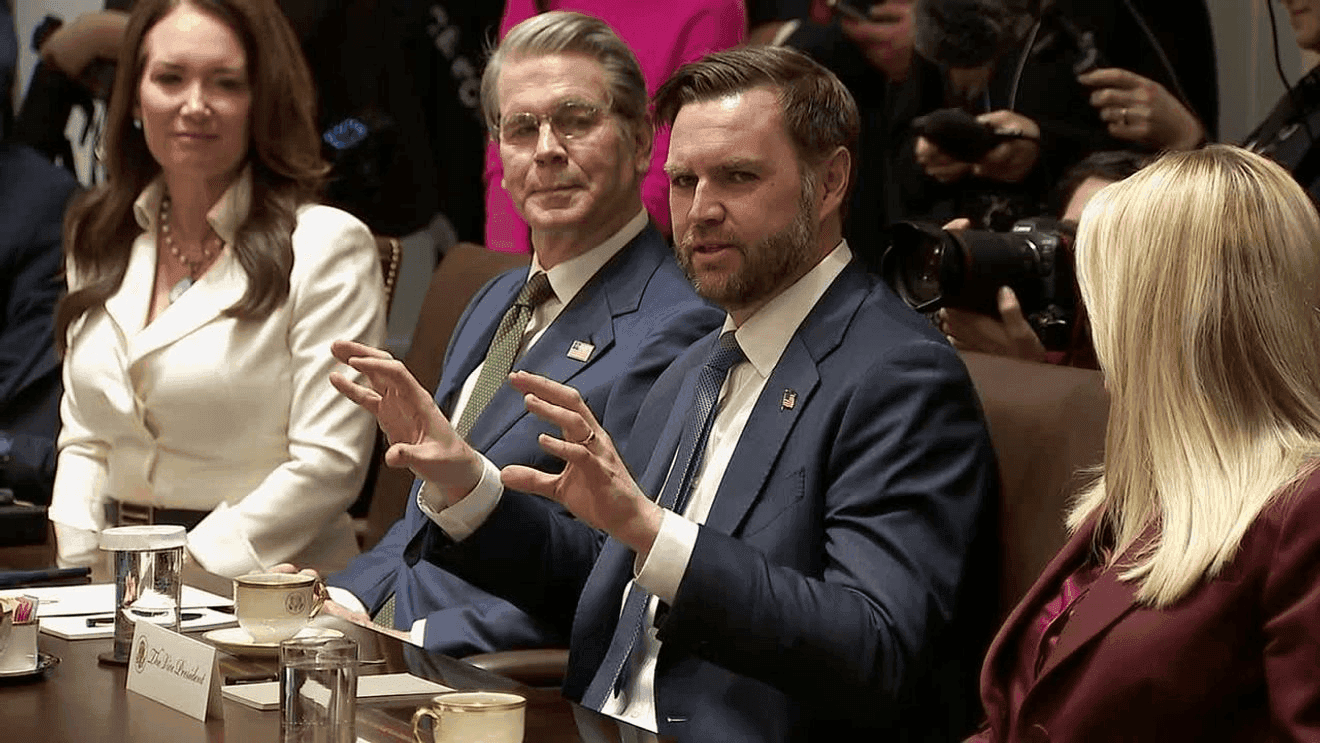
Rubio Surges to 35% Behind Vance's 53% in CPAC 2028 Straw Poll
14 sources compared
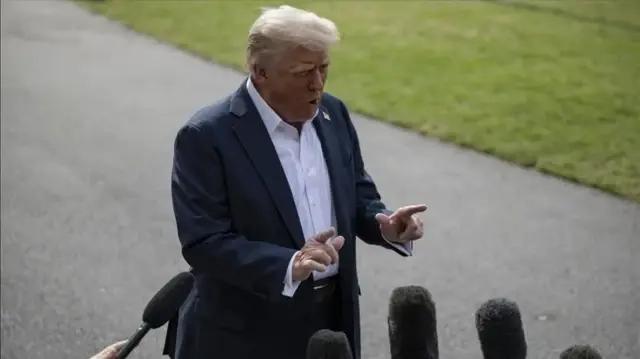
Trump Signals U.S. Could Target Cuba, Hinting at Military Action
12 sources compared
Trump Orders DHS to Immediately Use 'Reasonable Nexus' Funds to Pay TSA Agents
70 sources compared