
President Donald Trump Wages War in Iran
Key Takeaways
- Modi’s government faces increasing domestic dissent over cooperating with the Trump administration
- Two developments—in New Delhi and off Sri Lanka—could reshape U.S.-India relations amid the Iran war
- U.S. Deputy Secretary of State Christopher is cited on March 5 in the article
War escalates dangerously
President Donald Trump’s decision to wage war in Iran has immediate and dangerous regional consequences, including deadly naval incidents and the risk of a U.S. quagmire in the Middle East.
“Iran War Puts India in Tricky Position Modi’s government faces increasing domestic dissent when it comes to working with the Trump administration”
The Raisina Dialogue convened days after the war began, underscoring how the conflict has already raised diplomatic stakes; a U.S. submarine sank an Iranian naval vessel, the IRIS Dena, off Sri Lanka’s coast, killing at least 87 people.
Analysts in the piece warn that “the conflict, unless swiftly concluded, will lead the United States into yet another quagmire in the Middle East,” highlighting the grave escalation and human cost tied to Washington’s campaign.
India squeezed diplomatically
The war has put India in a precarious diplomatic position, forcing New Delhi to balance ties with Washington against domestic and regional sensitivities.
The article frames India as being politically squeezed by two near-simultaneous events—U.S. Deputy Secretary of State Christopher Landau’s comments at the Raisina Dialogue and the sinking of the IRIS Dena—observing that “Two recent developments—one in New Delhi and another off the coast of Sri Lanka—could have important consequences for the future of U.S.-India relations as President Donald Trump wages war in Iran.”
U.S. limits on India
At the Raisina Dialogue, U.S. Deputy Secretary of State Christopher Landau reiterated an “America First” posture while signaling limits to U.S. support for India’s material power.
“Iran War Puts India in Tricky Position Modi’s government faces increasing domestic dissent when it comes to working with the Trump administration”
Landau cautioned that the United States would not repeat perceived past mistakes, saying, “India should understand that we are not going to make the same mistakes with India that we made with China 20 years ago in terms of saying, we are going to let you develop all these markets, and then, the next thing we know, you are beating us in a lot of commercial things.”
That stance complicates Delhi’s hopes for deeper strategic-industrial cooperation with Washington amid the Iran war.
India's political reactions
New Delhi’s official and political responses reveal a tightrope walk: External Affairs Minister S. Jaishankar sought to publicly deflect friction with Washington by asserting Indian agency—“India’s rise will be determined solely by India”.
The opposition Congress party seized on Landau’s comments as politically damaging, calling them “not only insulting but also anti-India.”
The article suggests these reactions reflect both a desire to avoid open rupture with the United States and genuine domestic criticism of the Modi government’s approach to Trump-era policy and trade deals.
Broader consequences
The piece warns that the combination of U.S. military action and blunt diplomatic language risks long-term damage to U.S.-India ties and regional stability.
“Iran War Puts India in Tricky Position Modi’s government faces increasing domestic dissent when it comes to working with the Trump administration”
It notes India’s broader concerns about commercial and strategic autonomy—echoed in critiques that Prime Minister Narendra Modi’s government has been too eager to engage the Trump administration and “failed to protect India’s national interests—most notably in the recently concluded trade agreement with the United States.”
The article frames these developments as a test of India’s balancing act amid a rising U.S.-led military campaign in Iran, with uncertain outcomes for both bilateral relations and regional security.
More on Gaza Genocide

Israel Drops Charges Against Five Soldiers Accused Of Sexually Assaulting Palestinian Detainee
23 sources compared

Israeli Reservist Soldier Kills Palestinian Man in Occupied West Bank as Israel Intensifies Military Presence
15 sources compared
Wealthy Flee Gulf as Private Jet Charters Surge to $350,000, Riyadh Becomes Evacuation Hub
26 sources compared
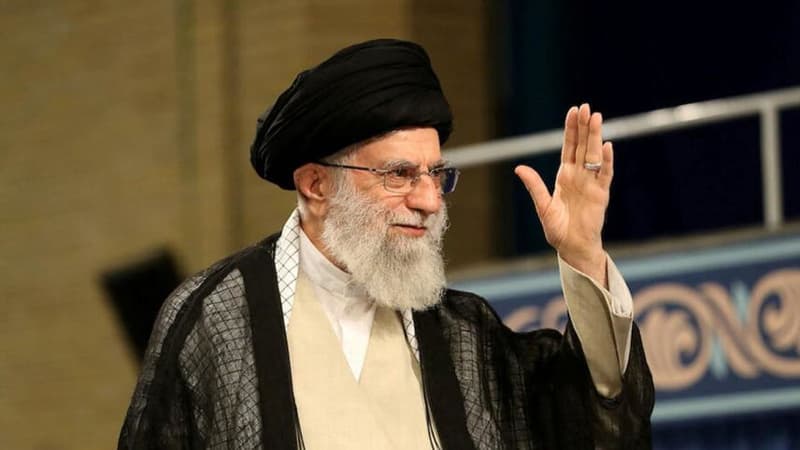
U.S. and Israel Assassinate Iranian Supreme Leader Ayatollah Ali Khamenei, President Donald Trump Says
137 sources compared