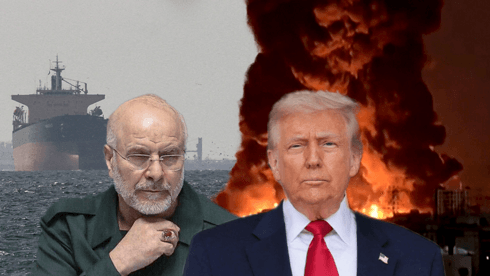
President Trump Extends Deadline for Attacks on Energy Infrastructure by Five Days
Key Takeaways
- Trump extends five-day deadline to halt attacks on Iran energy infrastructure.
- Oil prices fell on hopes for de-escalation and productive talks.
- Mediated talks with Iran continue; outcomes remain uncertain.
Trump's Extension Announcement
US President Donald Trump dramatically extended the deadline for attacks on Iranian energy infrastructure by five days.
“By Hanna Ziady, Helen Regan, CNN London/Hong Kong (CNN) — Oil prices slid Monday after President Donald Trump suggested that ongoing talks between the United States and Iran could end the war”
Trump cited ongoing 'very good and productive conversations' between Washington and Tehran.

The announcement sent oil prices plunging with Brent crude falling more than 7% to around $104 a barrel.
WTI, the US benchmark, slid 6.9% to $91.4 a barrel according to market reports.
Trump announced that the US Department of War would postpone 'any and all' military strikes against Iranian power plants.
The postponement is 'subject to the success of the ongoing meetings and discussions' according to Trump.
Trump claimed the US and Iran had engaged in 'very good and productive conversations regarding a complete and total resolution of our hostilities'.
Iran's Denial and Response
Iran immediately dismissed Trump's claims of direct negotiations.
Iranian officials called Trump's claims an attempt to manipulate energy markets.

The Iranian foreign ministry denied that any substantive negotiations were underway.
Iranian Foreign Minister Seyyed Abbas Araghchi stated ships avoid the strait due to US failure to respect Iran's trade rights.
Iran's Islamic Revolutionary Guard Corps warned 'If you strike electricity, we will strike electricity.'
Iran threatened to target Israeli energy infrastructure and power plants hosting US military bases.
Iran maintains the strait remains open for 'harmless passage' under Iranian security regulations.
Economic Impact Assessment
The conflict has created the most severe energy crisis in modern history.
“The price fell from nearly $113 to around $97 Monday morning, after Mr”
The International Energy Agency declared the current disruption exceeds the combined 1970s oil shocks.
The reduction of global oil supply from Hormuz closure is larger than the 1970s oil shocks.
IEA chief Fatih Birol called it 'the largest supply disruption in the history of the global market.'
Birol warned the global economy faces a 'major, major threat' with no country immune.
The IEA has released 400 million barrels of oil to comfort markets, described as 'historic'.
Forty energy assets across nine countries have been 'severely or very severely damaged'.
Military Context and Escalation
The conflict escalation follows weeks of tit-for-tat military actions.
The US and Israel launched an offensive on February 28 including the assassination of Ayatollah Khamenei.
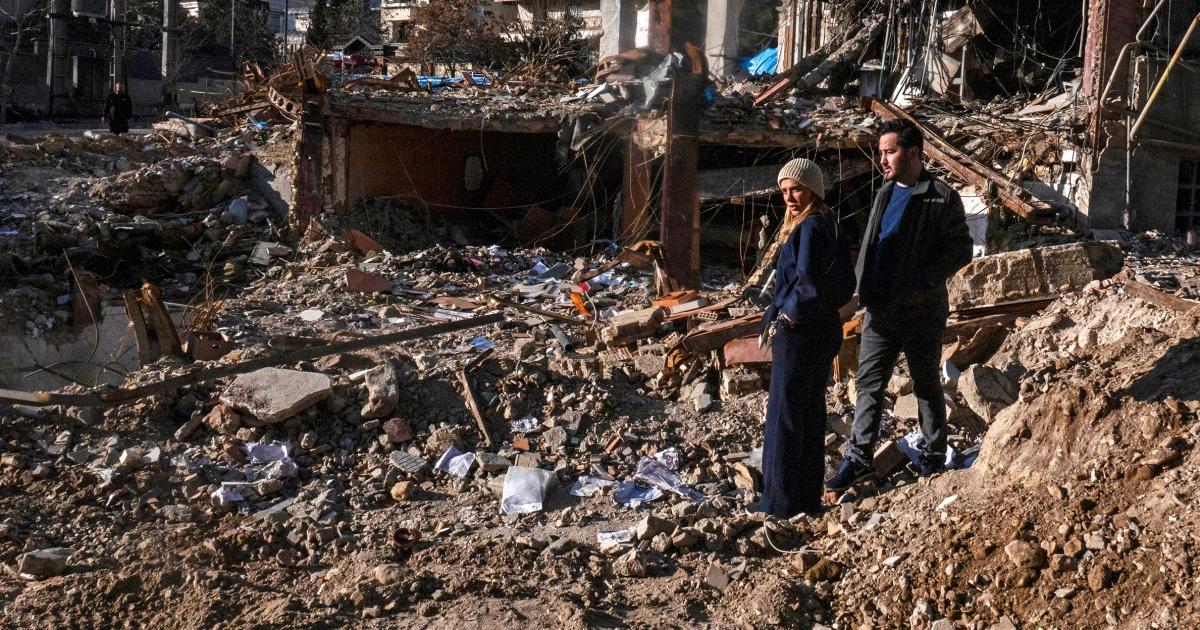
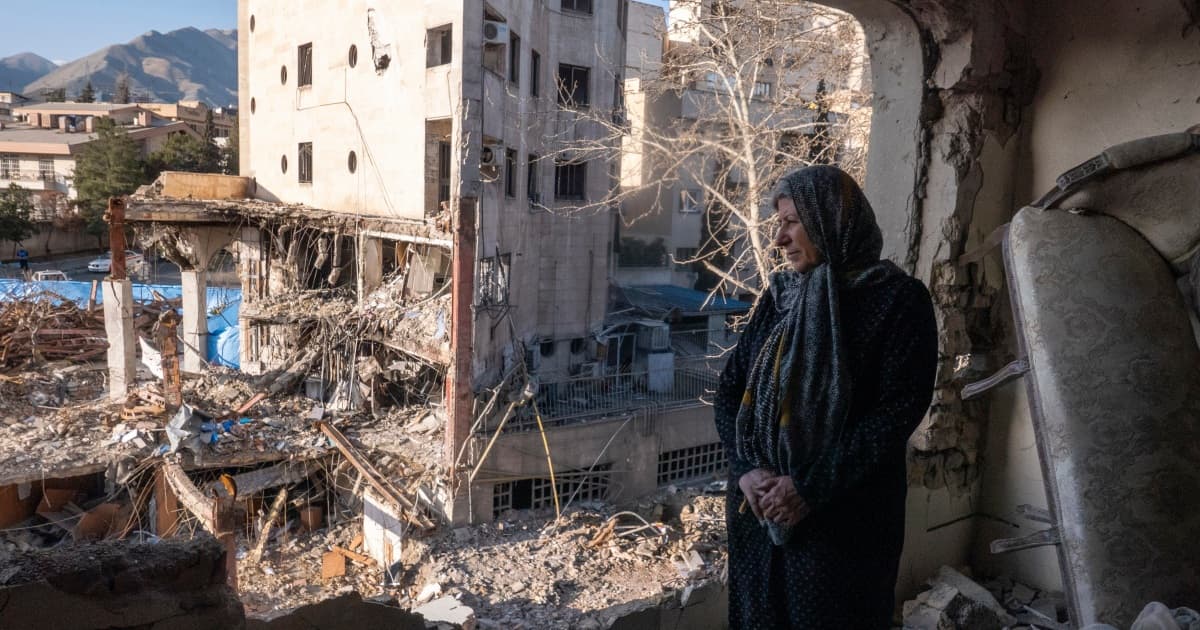
Iran has conducted retaliatory strikes against US interests and Israeli positions.
Iran's attacks have effectively closed the Strait of Hormuz, affecting 20% of global oil shipments.
At least 3,230 people have died in Iran including 1,406 civilians according to HRANA.
Iranian missiles evaded Israeli defenses to hit Dimona, near Israel's nuclear facility.
Trump had issued a 48-hour ultimatum demanding Iran reopen the strait or face power plant strikes.
Iran warned that Middle East oil facilities would be 'legitimate targets' if Trump attacked.
Domestic and Regional Reactions
Trump's shift has drawn criticism from some factions within his base.
Trump loyalist Marjorie Taylor Greene questioned America's priorities in the Middle East.
Greene said the 'Make America Great Again' movement was supposed to be 'America first, not Israel first'.
Israeli Prime Minister Netanyahu has spoken of a long-term campaign against Iran's government.
Netanyahu called Iran a state sponsor of Hamas which launched the Oct 7, 2023 attack against Israel.
Israel has expanded its ground campaign against Hezbollah in Lebanon.
The violence in Lebanon has killed more than 1,000 people with over a million displaced.
Experts suggest Iran will use the pause to 'readjust and buy time' rather than make concessions.
More on USA

U.S. Prepares to Deploy 1,000 82nd Airborne to West Asia to Seize Airfields
17 sources compared

Democrat Emily Gregory flips Trump-carried Palm Beach House seat, defeating Trump-backed Jon Maples
12 sources compared

President Donald Trump Threatens National Guard Deployment to U.S. Airports
14 sources compared
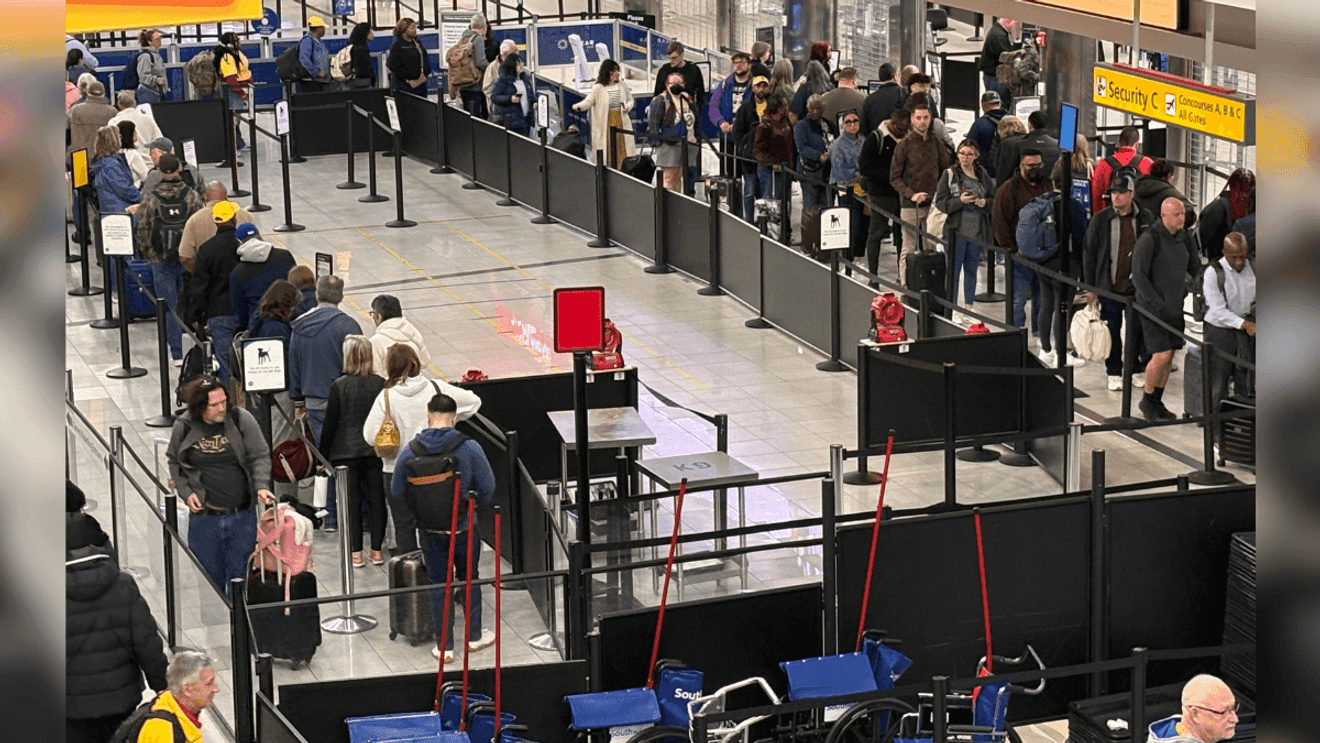
GOP excludes ICE enforcement in DHS funding plan, leaving TSA workers unpaid and airports strained
17 sources compared