
President Trump Pledges to Sign Order to Immediately Pay TSA Agents, to Direct Markwayne Mullin
Key Takeaways
- Trump will sign executive order directing Mullin to immediately pay TSA agents.
- TSA agents have gone unpaid during the DHS funding impasse.
- The measure aims to curb airport chaos and long security lines.
Unilateral TSA pay plan announced
The single most important new development is that President Trump publicly committed to signing an executive order to immediately pay TSA agents, a move designed to bypass Congress and quell the airport chaos produced by the DHS funding impasse.
“Basado en hechos observados y verificados directamente por nuestros periodistas o por fuentes informadas”
In remarks disseminated through Truth Social and reported by Western and non-Western outlets, he stated he would direct Homeland Security Secretary Markwayne Mullin to "immediately pay our TSA Agents in order to address this Emergency Situation" and to do so as part of addressing the emergency scenario at U.S. airports.
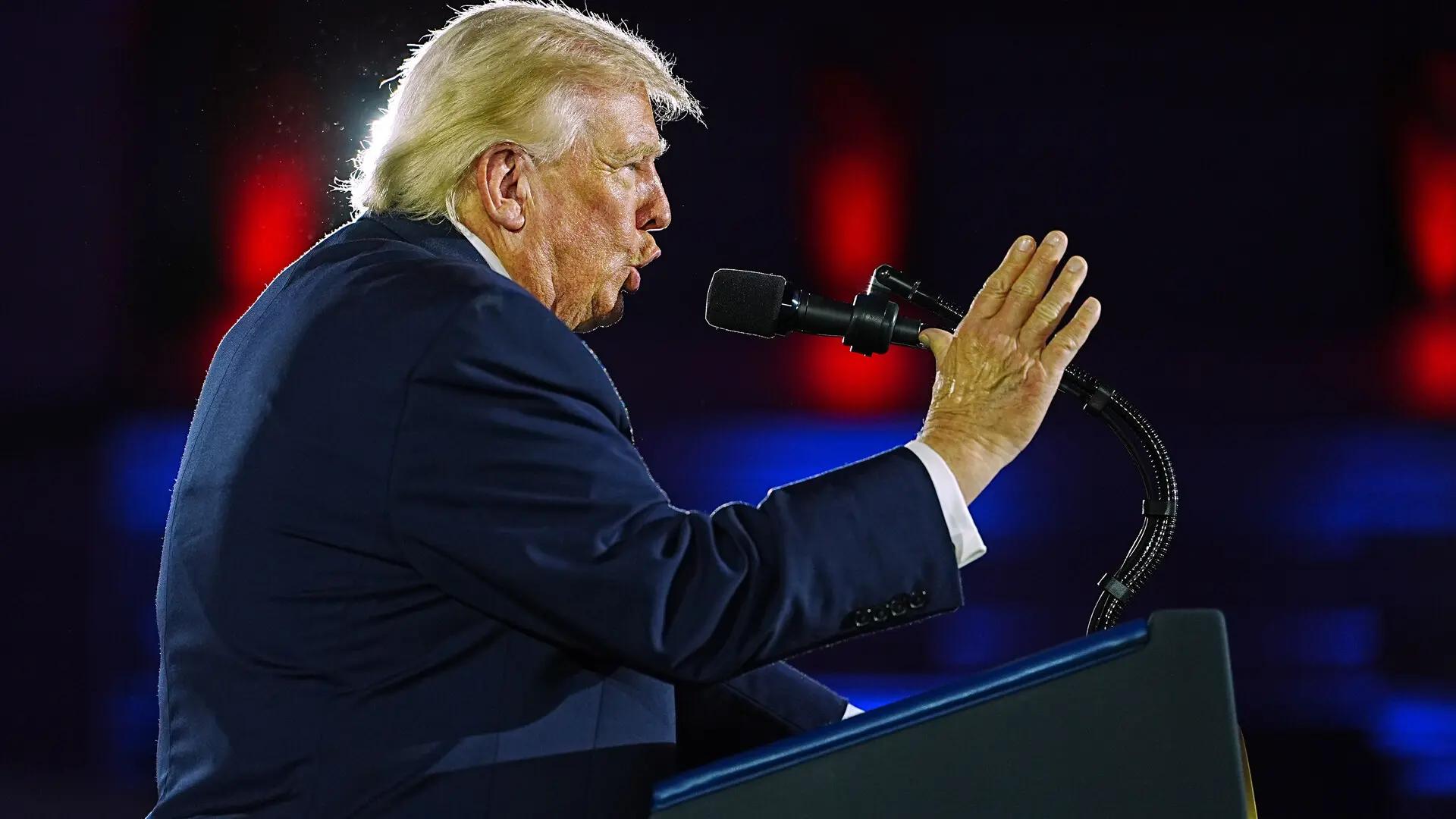
This marks a unilateral escalation intended to restore staffing and operations without a budget agreement, a shift many outlets describe as an extraordinary use of executive powers amid a partisan stalemate.
Non-Western outlets amplify the political framing, highlighting his charge that Democrats are obstructing funding amid broader immigration-policy battles.
Funding source and legality questioned
The plan’s mechanics remain murky, but several sources flag that the administration intends to fund TSA pay by tapping sources from last year’s budget package, and that the legal authority to do so is uncertain.
A The Hill report notes that the money would come from "the One Big Beautiful Bill Act" funding to pay TSA workers, while other outlets highlight a lack of clarity about exactly which authorities or funds would be used and for how long pay would continue.
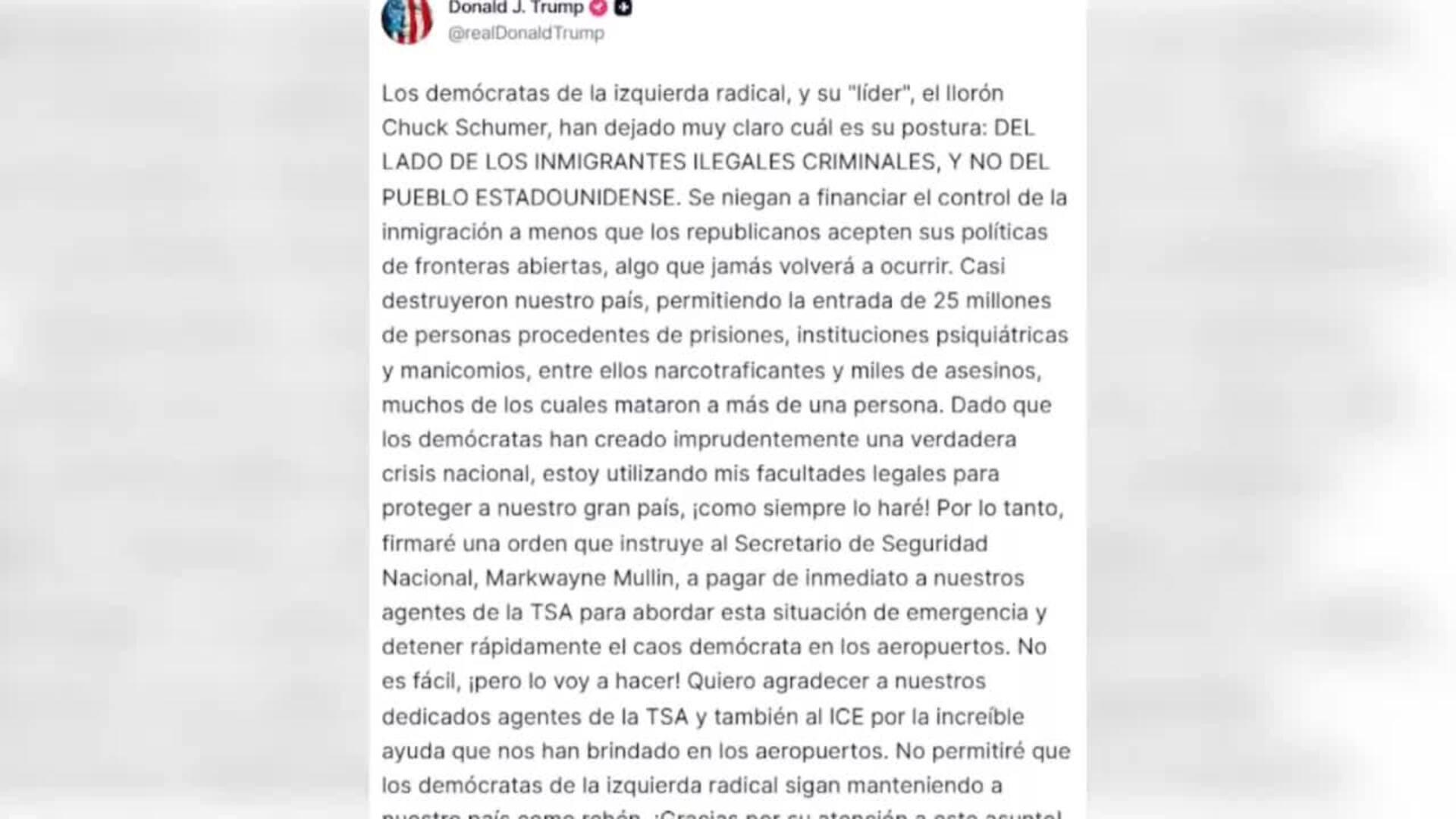
The Times explicitly notes that it was not immediately clear what legal basis Trump would use, where the money would come from, or how long the funding would last.
Semafor highlights that it’s unclear under what legal authority Trump will pay workers, a central ambiguity that could trigger legal challenges.
Political reactions and framing
Reaction across the political spectrum has been mixed but pointedly framed, with Republicans praising decisive action and Democrats demanding longer-term funding terms tied to reforms.
“A4A Applauds Trump Administration Solution to Fund TSA, Urges Congress to Prevent Future Travel Chaos NEWS UPDATE | March 26, 2026 The following statement is attributable to Airlines for America (A4A) CEO Chris Sununu: “We are grateful to President Trump and Secretary Mullin for implementing a solution to pay tens of thousands of dedicated TSA officers for the important job they do, serving with professionalism on the frontlines of our nation’s aviation system, despite not receiving pay for more than 40 days”
Non-Western outlets frame the move within broader immigration-policy battles, underscoring the intra-party and inter-party tensions over DHS funding and enforcement tactics.
Western mainstream outlets describe the pay order as a gambit to alter Capitol Hill dynamics while a larger funding deal remains unresolved.
The coverage highlights that the executive move is seen as temporary pressure rather than a substitute for a certified budget agreement.
Ground reality and security lines
Operational reality on the ground remains dire even before any pay flow resumes, with hours-long lines and high callout rates straining security throughput.
NPR quantifies the staffing crisis, noting callout rates above 11% nationally and some airports above 40%.

Houston’s Bush Intercontinental and other major hubs have suffered staffing shortages, prompting ICE deployments to assist with non-technical tasks.
The broader TSA workforce has responded with resignations and absences that deepen the disruption at security checkpoints.
Implications and future trajectory
The move tests the boundaries of executive spending authority as Congress remains in deadlock, potentially delaying a durable solution rather than delivering a lasting fix.
“WASHINGTON -- President Donald Trump said Thursday that he would sign an order instructing the Homeland Security secretary to immediately pay Transportation Security Administration agents as Congress struggled to reach a deal to end a budget impasse that has jammed airports and left workers without paychecks”
Industry groups push for permanent pay protections and funding stability to avert recurring airport disruptions in future crises.

Analysts caution that the plan may provoke legal challenges over the legitimacy of unappropriated funding for TSA pay, and could complicate ongoing DHS negotiations.
Overall, the action crystallizes a high-stakes political dynamic: a unilateral stopgap that may shift leverage but not settle the underlying policy dispute.
More on USA
Pentagon Considers Sending Up To 10,000 Ground Troops Within Striking Range Of Iran
14 sources compared

Trump Directs DHS Secretary Mullin To Use Last Year’s Funds To Pay TSA Immediately
11 sources compared

Trump Extends Pause On Targeting Iran’s Energy Infrastructure To April 6 After Tehran Request
12 sources compared
Senate Funds TSA, FEMA, Coast Guard, CISA But Withholds ICE And CBP Border Funding
34 sources compared