India21 February, 20264 min read
Prime Minister Narendra Modi and President Luiz Inácio Lula da Silva Sign Rare Earths, Digital and Mining Deals, Set Bilateral Trade Goal of $20–30 Billion
India and Brazil set bilateral trade targets; sources report $20 billion (5-year) and $30 billion. Leaders signed agreements on rare earths, critical minerals, digital cooperation, mining and steel supply chains.

16 outlets told this the same way.
India-Brazil agreements
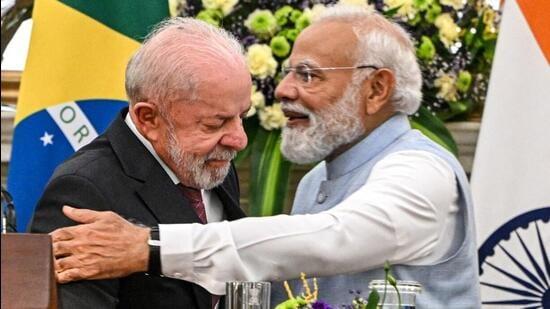
Prime Minister Narendra Modi and President Luiz Inácio Lula da Silva met in New Delhi and used bilateral talks to sign multiple pacts on digital cooperation, critical/rare earth minerals, and mining/steel supply chains aiming to deepen strategic and economic ties between India and Brazil. WION reports they "signed agreements on digital cooperation, critical/rare earth minerals, and mining supply chains." NDTV Profit reports India and Brazil "set a target to raise annual bilateral trade to USD 20 billion within five years and signed a pact on cooperation in critical minerals and rare earths."
INVC NEWS states the leaders "signed three bilateral agreements on digital cooperation, rare minerals, and mining collaboration in steel supply chains." Bhaskar English noted the critical minerals deal was "intended to reduce reliance on China in global supply chains, support the green energy transition."
India Today said the critical minerals agreement will "help build a more resilient supply chain." Some coverage framed the critical minerals deal as part of building resilient supply chains and reducing reliance on China.
India Brazil trade targets
The leaders set an ambitious trade objective but the exact target varies across reports. Multiple outlets record a plan to raise bilateral trade to over USD 20 billion within five years. WION writes the two countries "aim to raise bilateral trade to over $20 billion within five years."
NDTV Profit notes a target "to raise annual bilateral trade to USD 20 billion within five years." India Today records Modi saying India "aims to raise bilateral trade beyond USD 20 billion within five years." Other outlets, however, report a higher or different target.
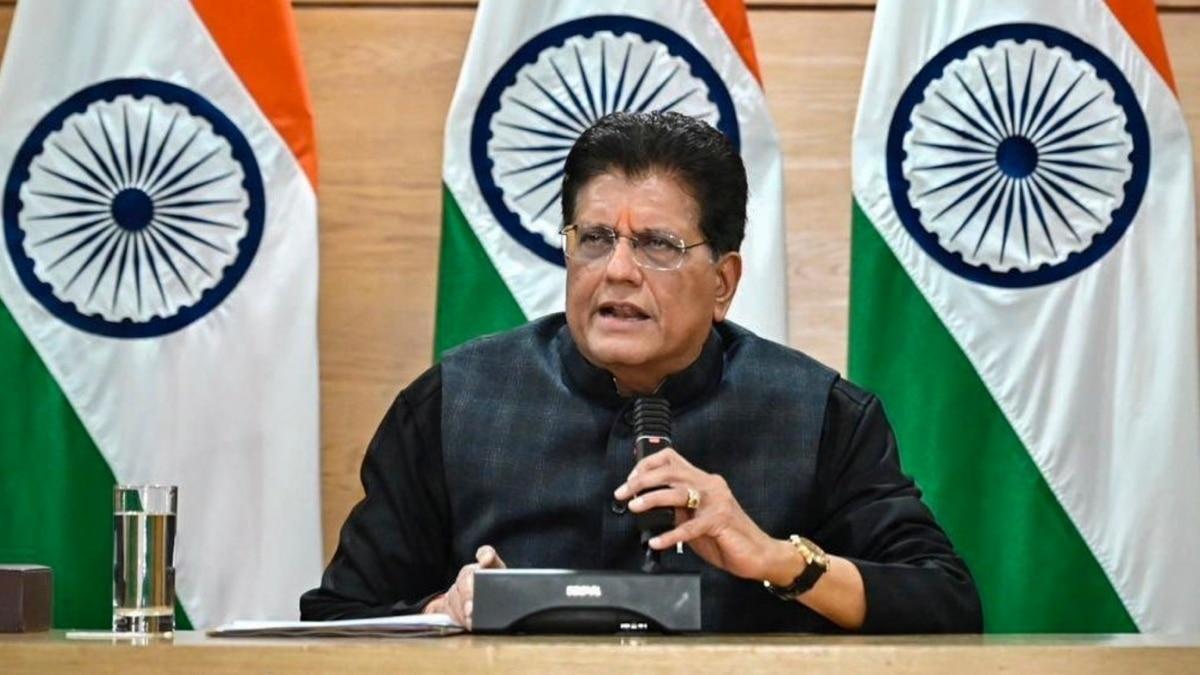
Hindustan Times and Mathrubhumi English write that India and Brazil "agreed to double bilateral trade to $30 billion by 2030." The Indian Express records that the leaders "aim to push trade beyond $20 billion in the next five years (Lula suggested revisiting a $30 billion goal)." The variation shows some outlets emphasise a $20 billion five‑year goal while others report a $30 billion/2030 objective or note discussion of both figures.
Strategic cooperation and multilateral ties
Both leaders pledged deeper strategic engagement beyond trade and minerals, covering defence, energy, healthcare and digital public infrastructure, and discussed cooperation in multilateral fora. NDTV Profit reports they "agreed to deepen strategic engagement across defence, energy, healthcare, and digital public infrastructure." The Indian Express details defence cooperation including an "Embraer office in Delhi and a trilateral maintenance agreement involving Mazagon Dock for Scorpene submarines and other vessels."
“Defence cooperation includes an Embraer office in Delhi and a trilateral maintenance agreement involving Mazagon Dock for Scorpene submarines and other vessels.”
Open Magazine and INVC NEWS highlight a joint push for coordinated action in the UN, WTO and G20 to build fairer multilateral governance. Several sources record a joint condemnation of terrorism and calls for reform of global institutions; NDTV Profit says they "condemned terrorism and its supporters and called for reform of global institutions."
Trade data and context
Several outlets cite 2024–25 bilateral trade of about USD 12 billion.
The Indian Express and NDTV Profit give the breakdown 'Indian exports USD 6.77 billion; imports from Brazil USD 5.43 billion'.
Hindustan Times and Mathrubhumi highlight faster growth and report 'Two-way trade exceeded $15 billion in 2025 (a 25% rise over 2024),' which is used to justify a higher $30 billion‑by‑2030 target.
Mathrubhumi and Hindustan Times also note discussions around U.S. trade policy, with Mathrubhumi recording talks about the implications of the U.S. Supreme Court decision striking down reciprocal tariffs and the Trump administration’s subsequent 10% global tariff, and saying both sides agreed to 'wait and watch' and study the effects on trade.
The variation in recent trade totals and emphasis on external risks shows differing data points and editorial priorities across outlets.
Lula in India
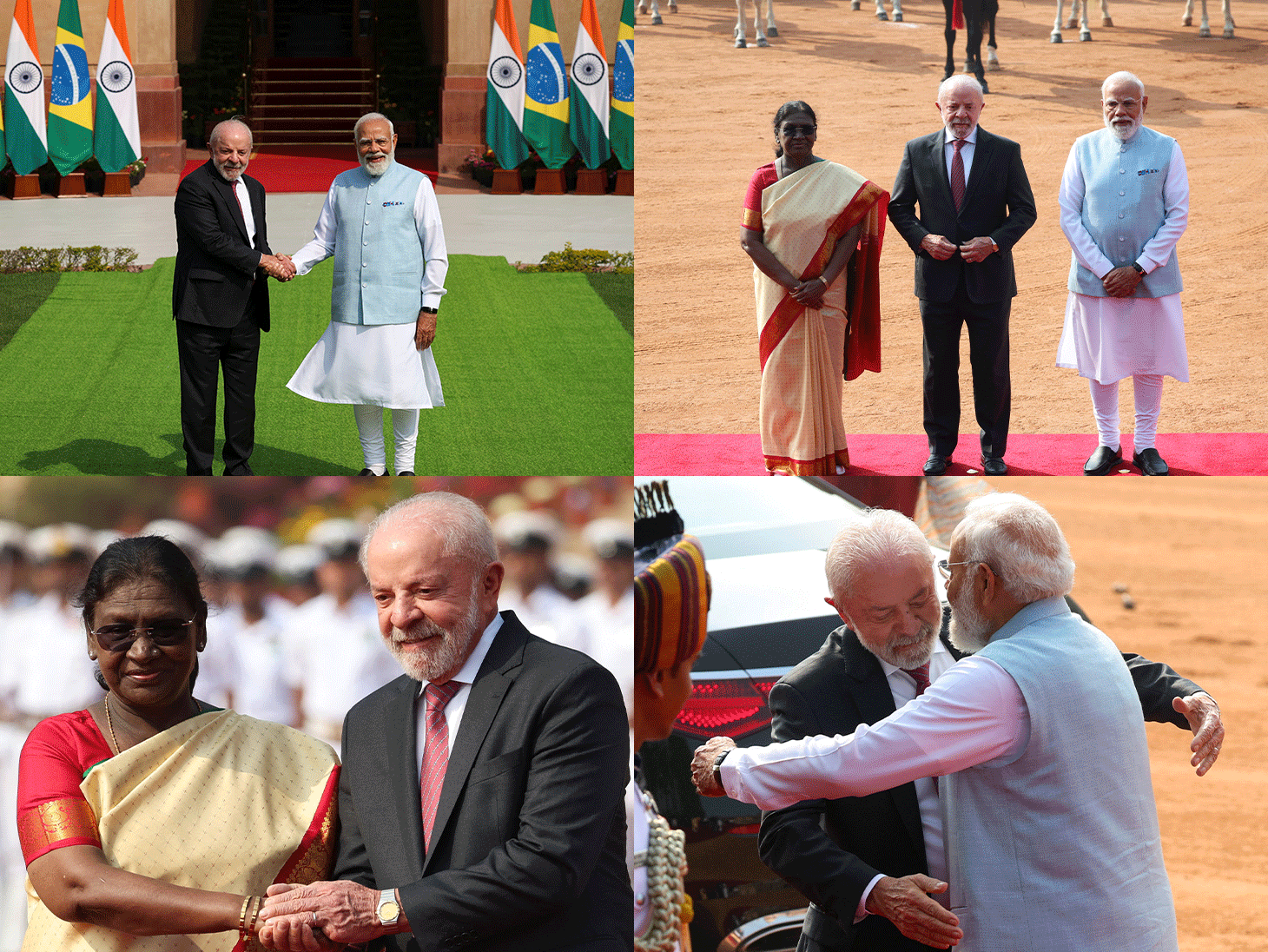
The visit combined high‑level diplomacy and symbolism with commercial outreach. Lula attended the India AI Impact Summit during a multi-day visit, receiving ceremonial honours and leading a large business delegation. INVC NEWS reports Lula called the visit "special" and notes he received a "ceremonial welcome at Rashtrapati Bhavan, including a Guard of Honor."
“Lula called the visit ‘special’ (his sixth to India)... Earlier, Lula received a ceremonial welcome at Rashtrapati Bhavan, including a Guard of Honor.”
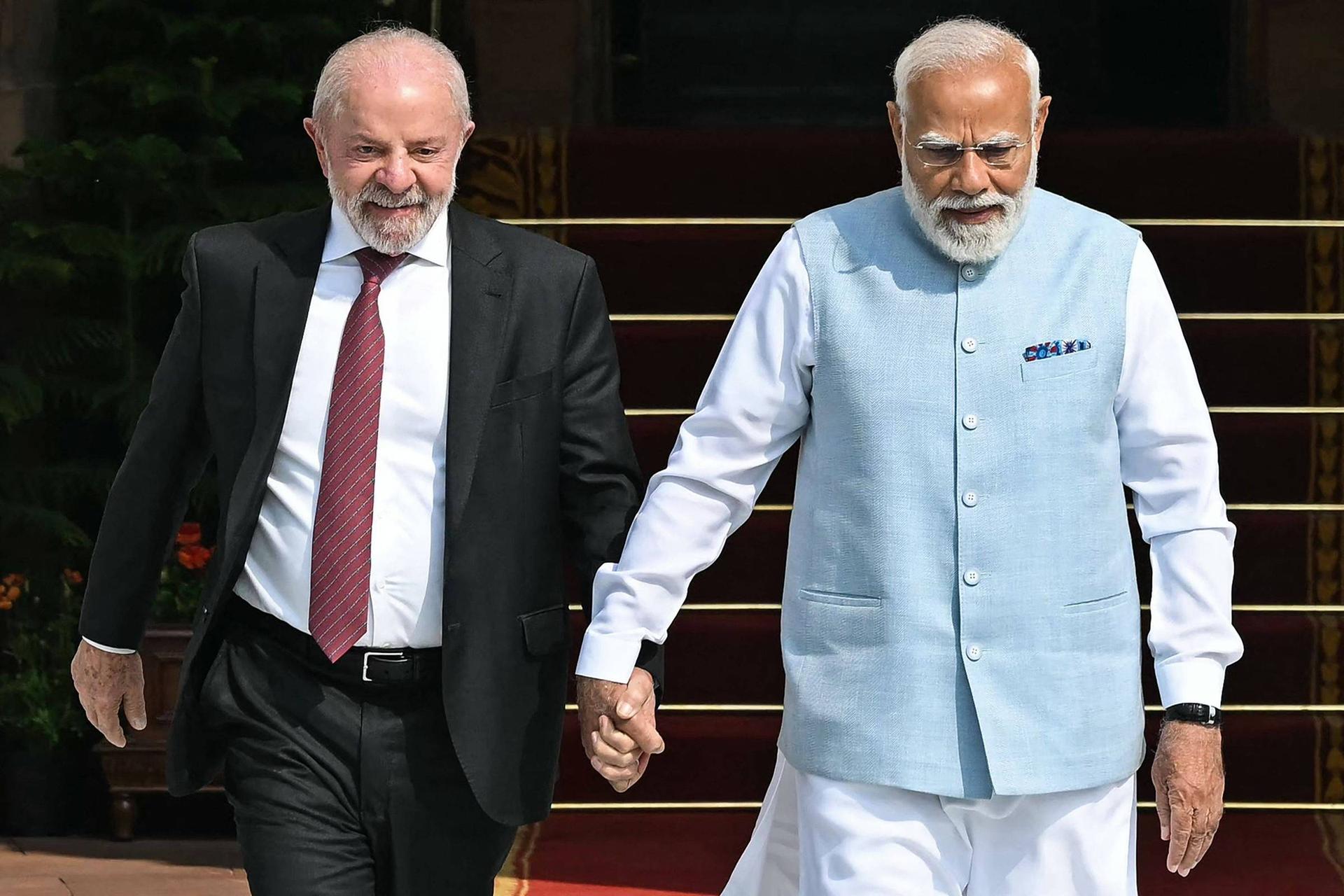
Mathrubhumi and NDTV Profit record that "Lula is on a five-day visit to India (from Feb 18) to attend the India AI Impact Summit." Bhaskar English highlights praise for India’s organisation of the AI Impact Summit and the leaders’ personal rapport. Open Magazine and INVC NEWS emphasise the shared Global South framing, calling the partnership "unique" and describing India as a "digital powerhouse" paired with Brazil as a "renewable-energy one."