Entertainment18 April, 20266 min read
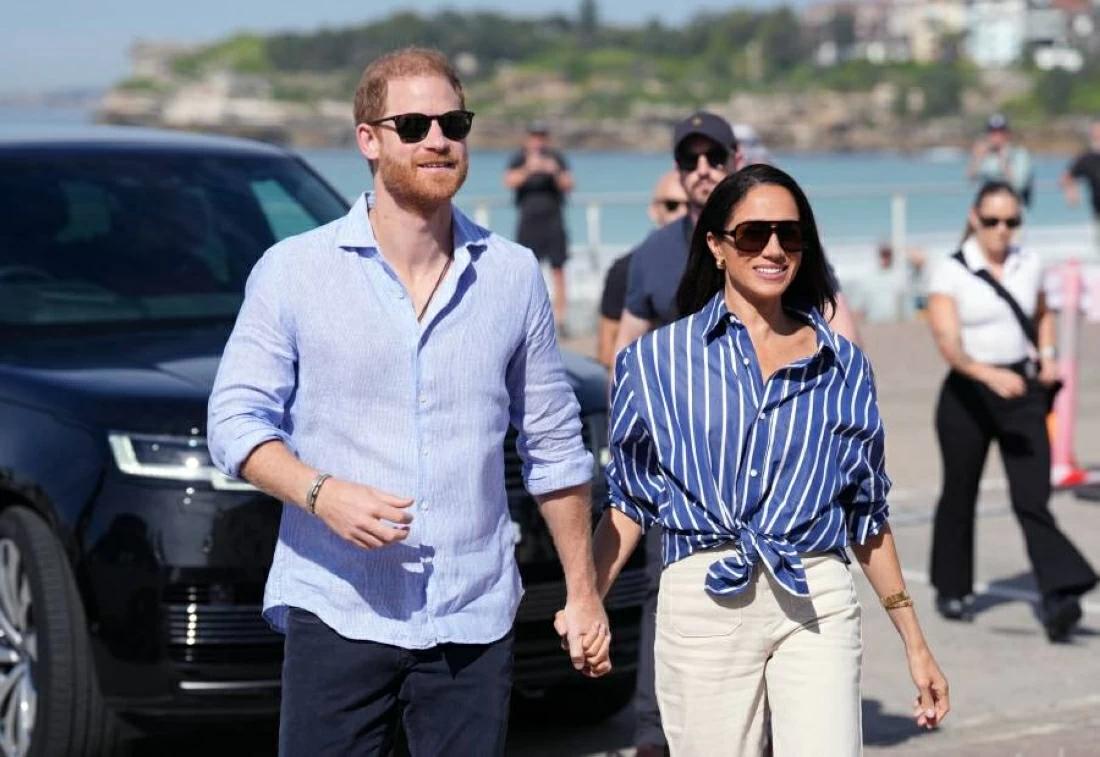
Prince Harry and Meghan Markle Conclude Brisk Four-Day Australia East Coast Visit
Completed a four-day, private-capacity visit to Australia's east coast, not an official royal tour. Indigenous culture events, sports appearances, charity work, and a visit to the national war memorial.

A tour, but not royal
Prince Harry and Meghan Markle finished a “brisk four-day visit” to Australia’s east coast, with their itinerary described as having “all the hallmarks of a traditional royal tour” even though they were “no longer working royals” and were in “a private capacity.” The BBC said the couple’s trip included “a trip to the national war memorial” and engagements spanning “Indigenous culture, Australian sport, multiple good causes” and meetings that resembled a royal-style schedule. The BBC also contrasted the current visit with 2018, when “tens of thousands of people greeted them on a nine-day tour across Australia,” while this time “Most Australians the BBC spoke to were either unaware or uninterested.”
The ABC’s account similarly emphasized that the Sussexes were not here as official representatives, noting there were “no police motorcades, nor special travel arrangements” and that they “flew on privately funded commercial airlines.” CNN framed the trip as “a different kind of foreign trip (just don’t call it a royal tour),” describing a “mix of quasi-regal public engagements and private commercial events.” In Sydney, the BBC reported a specific encounter: “on Friday, when Harry met Michelle Haywood beneath the sails of the Sydney Opera house,” where Haywood presented a photo of her mother alongside him in his army fatigues.
Safety, security, and money
The trip’s most persistent flashpoint in multiple reports was whether taxpayers should bear any part of the cost, with the BBC noting “some of the security costs for their public events” could fall to “Australian taxpayers.” The ABC described “the issue of some extra policing paid for by the NSW and Victorian state governments” as “a sticking point,” and it referenced a “no taxpayer funding for Harry and Meghan” change.org petition that “with more than 43,000 signatures hit the headlines.” Nine.com.au readers surveyed by 9News said “none of it should have been funded by taxpayers,” with “Nearly 90 per cent of the 904 readers nine.com.au surveyed” saying it “never should have been allowed.”
In the same 9News report, one reader said, “I find it almost obscene that the Australian taxpayer is funding any part of the visit when so many families are struggling,” while another added, “They make more than enough money to cover their own expenses.” The BBC also raised the question of money-making and fees, saying it was “not always clear what was – and what was not – a paid gig,” and it reported that organizers “repeatedly refused to confirm to the BBC whether Harry got a fee.” The BBC gave concrete figures for at least one event: Meghan was “paid to appear for a couple of hours at a glitzy ‘girls only’ weekend retreat with VIP tickets costing A$3,199 (£1,725),” and it said the Sussexes’ media team used “connection” and “community” language heavily in press releases.
What they said and did
The reports also detailed how the Sussexes used their platform in Australia, mixing public-facing remarks with personal stories that were repeatedly quoted.
The BBC said Meghan spoke about online harassment, stating she had been “the most trolled person in the world” for 10 years, and it described her sharing “stories of being attacked and bullied online for a decade.”
CNN similarly quoted Meghan’s line to students at Melbourne’s Swinburne University of Technology at an event by batyr, where she said, “Every day for 10 years, I have been bullied and attacked. And I was the most trolled person in the entire world.”
On the mental health theme, CNN also quoted Harry’s recollection from the InterEdge Summit, where he said, “I don’t want this job. I don’t want this role – wherever this is headed, I don’t like it,” and it added that he recalled, “It killed my mum, and I was very much against it.”
The BBC described Harry’s summit appearance as “powerfully” delivered, saying “The Duke spoke powerfully at a summit on mental health about life as a royal after the death of his mother, Princess Diana,” and it noted that tickets were “sharply reduced in price” but still “nearly A$1,000 (£520) a head.”
The ABC’s account placed the couple’s final Sydney Opera House appearance in context, saying that on Friday “a few hundred came out to see them” and that “most were there by chance but still very happy to catch a glimpse of the royals.”
How outlets framed the same trip
While the underlying facts of the itinerary and the controversy were shared across coverage, the tone and emphasis varied sharply between outlets.
The BBC described the visit as carefully controlled, quoting associate professor Giselle Bastin saying, “It has been very carefully controlled so that they just sort of spontaneously appear at places,” and it also reported that “connection” and “community” were repeated in the Sussexes’ press releases.

The Guardian, by contrast, framed the trip as a question of motives, asking whether Harry and Meghan toured “to make money – or cosplay a return to royal life?” and it quoted associate professor Lauren Rosewarne saying, “The primary way to measure the success of the visit is whether it helped their brand,” adding that “They are, after all, no longer ‘working royals’.”
The Guardian also leaned into the commercial optics, describing the “Her Best Life” retreat as “pitched as a ‘girls’ weekend like no other’” with tickets “A$2,699 including accommodation, or A$3,199 for a more VIP experience,” and it included Bastin’s critique that “Having to flog A$3,000 tickets to a wellness retreat looks quite pointless in the current world climate.”
CNN’s framing was similarly skeptical about status, quoting Bonnie Greer asking, “What exactly are they? They’re not royals, but they’re assuming the facade of royals,” and it described the tour as “part-celebrity, part-charity.”
Town & Country presented a more mixed view, saying “Everyone was in agreement that it was not an official royal tour,” but it also quoted a repeated Sydney Morning Herald headline: “Australia was good to Harry and Meghan. Now they want to use us as an ATM,” while also citing praise that the hospital chief executive called the Royal Children’s Hospital stop “a genuinely meaningful visit.”
After the headlines
As the tour ended, the sources pointed to what comes next: continued scrutiny over costs, ongoing debate about the Sussexes’ status, and the couple’s efforts to build income streams. The BBC said the commercial side of the Australia trip left uncertainty about “what was – and what was not – a paid gig,” and it noted that the Sussexes’ deals with Spotify and Netflix had ended, adding that “Harry and Meghan have a life to build - and pay for - away from royal duty.” The BBC also described Meghan’s business pivot, saying she was “unveiled as an investor in OneOff - an AI platform that gives fashion suggestions based on the styles of celebrities and influencers,” with “a small cut of sales going to the featured stars.”
CNN added that it was “unclear how much cash they’ll make from the privately funded tour that includes many unpaid appearances,” while also quoting a spokesperson that “Prince Harry wasn’t paid anything to speak at the InterEdge Summit on Thursday.” The ABC’s account suggested the trip’s structure itself was designed to mirror royal patterns, describing “The House of Windsor playbook” and saying “The actual foundation of the trip was two speaking engagements at private ticketed events with significant price points.” Looking ahead, Town & Country said “It will be a very different picture when King Charles or Prince William next visit Australia,” while also stating “there is currently no indication as to when that will be.”