_89414.jpg&w=3840&q=75)
Projectile Strikes Near Iran's Bushehr Nuclear Plant; No Damage Reported, IAEA Says
Key Takeaways
- A projectile struck near Iran's Bushehr Nuclear Power Plant.
- IAEA said there was no damage or injuries at Bushehr.
- IAEA urged maximum restraint to prevent a nuclear accident amid the conflict.
Incident Details
A projectile struck the premises of Iran's Bushehr nuclear power plant on Tuesday evening, March 17, 2026, according to multiple international sources.
“In a brief statement, the agency urged all parties involved in the conflict to exercise the utmost restraint, and it stressed the need to spare nuclear facilities from military operations to prevent the risk of a nuclear accident”
The incident occurred at Iran's only operational nuclear facility, located along the Persian Gulf coast approximately 465-760 miles south of Tehran.

Despite the strike, both Iranian authorities and international monitors confirmed that no damage was inflicted upon the plant's critical infrastructure and no injuries were sustained by personnel.
The International Atomic Energy Agency (IAEA) reported receiving official notification from Iran about the projectile impact, with the Vienna-based agency confirming that operations continued without interruption.
Radiation levels remained normal at the facility according to various sources.
International Response
International officials responded swiftly to the incident, with the IAEA Director General Rafael Grossi immediately calling for 'maximum restraint during the conflict to prevent risk of a nuclear accident.'
Russia's state nuclear corporation Rosatom also condemned the attack, with its chief Aleksei Likhachev stating that the strike occurred 'on the territory adjacent to the building of the metrological service, located on the site of the Bushehr nuclear power plant, in close proximity to the operating power unit.'

Rosatom confirmed that there were no casualties among personnel and that radiation conditions remained stable.
Iranian authorities through their Atomic Energy Organization and Tasnim news agency also affirmed that 'no financial, technical, or human damage occurred and no part of the plant was harmed.'
Plant Significance
The Bushehr nuclear power plant holds significant strategic importance as Iran's sole operational nuclear facility and the first nuclear power plant to produce energy in the Middle East.
“By JON GAMBRELL, DAVID RISING and SAMY MAGDY DUBAI, United Arab Emirates (AP) — Israel said Wednesday it killed another top Iranian official, the third in two days, while Iran lashed out with attacks on its Persian Gulf neighbors and Israel, using some of its latest missiles to evade air defenses and killing two people near Tel Aviv as the war in the Middle East showed no signs of slowing”
Built with Russian assistance after initial German construction began in the 1975 under Shah Mohammad Reza Pahlavi, the project was halted following the 1979 Islamic Revolution before being completed by Russia in the mid-1990s.
The facility operates a pressurized-water reactor capable of generating approximately 1,000 megawatts of electricity, though this represents only about 1-2% of Iran's total electricity production.
The plant's coastal location near the Persian Gulf and close to the strategically vital Strait of Hormuz - a critical chokepoint for global oil flows - adds to its geopolitical sensitivity and vulnerability during conflicts.
Geopolitical Context
The incident occurred amid escalating tensions between Iran, the United States, and Israel, with the ongoing conflict now entering its third week.
This strike near the Bushehr plant represents the first such incident on nuclear facility premises since the conflict began in late February 2026 when Trump launched strikes against Iran.

The event has raised fresh concerns among Iran's neighbors about the risk of radioactive leaks from the coastal nuclear facility, which has long been seen as potentially vulnerable to attacks or natural disasters like earthquakes.
While neither Iran nor Russia reported any release of nuclear material, the incident underscores the broader risks to nuclear safety in the region as military activities increasingly approach critical infrastructure.
The International Atomic Energy Agency continues to monitor the situation closely, with Director General Grossi maintaining his urgent calls for de-escalation to prevent potential nuclear accidents.
More on Iran

Israel Attacks Iran's South Pars Gas Field, World's Largest
14 sources compared

Israel Kills Ali Larijani, Iran's Secretary of the Supreme National Security Council, in airstrike
10 sources compared
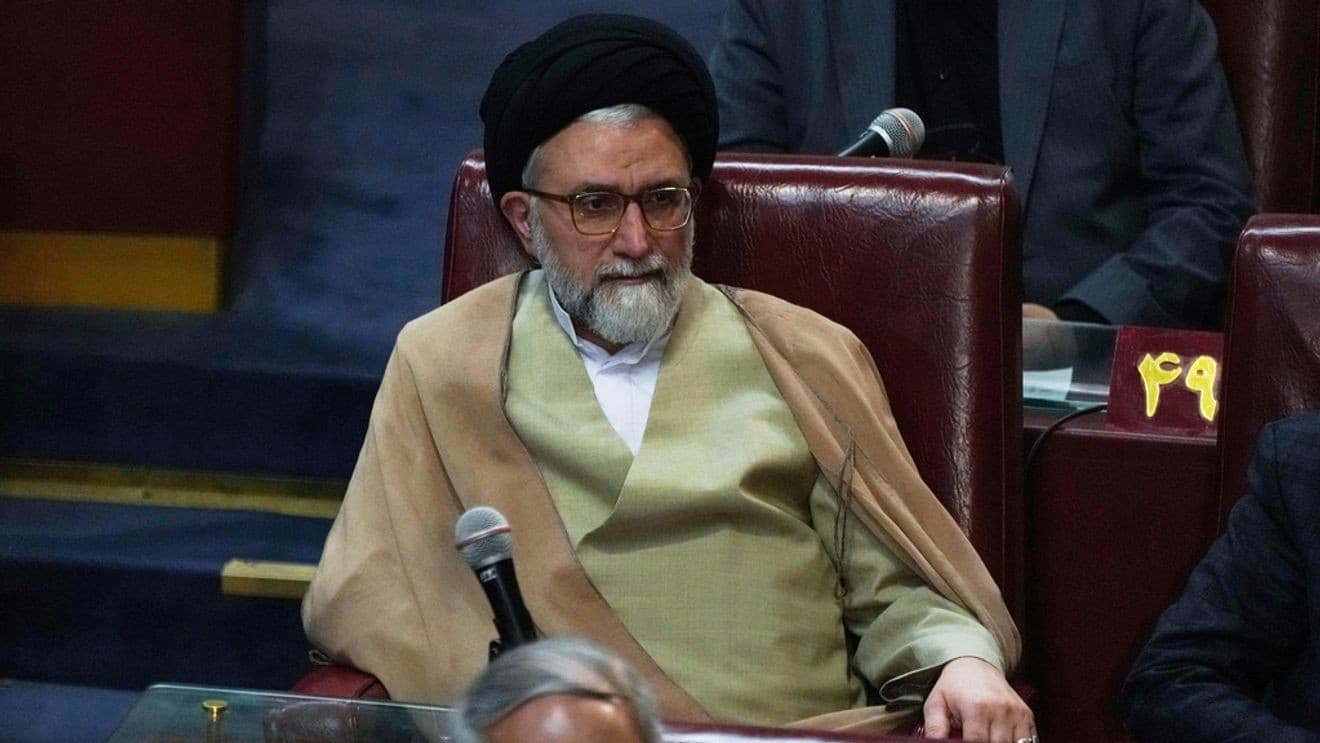
Israel Kills Iranian Intelligence Minister Esmail Khatib in Third Assassination in Two Days
16 sources compared

Israel Kills Iran's Intelligence Minister Esmaeil Khatib in Tehran Strike
36 sources compared