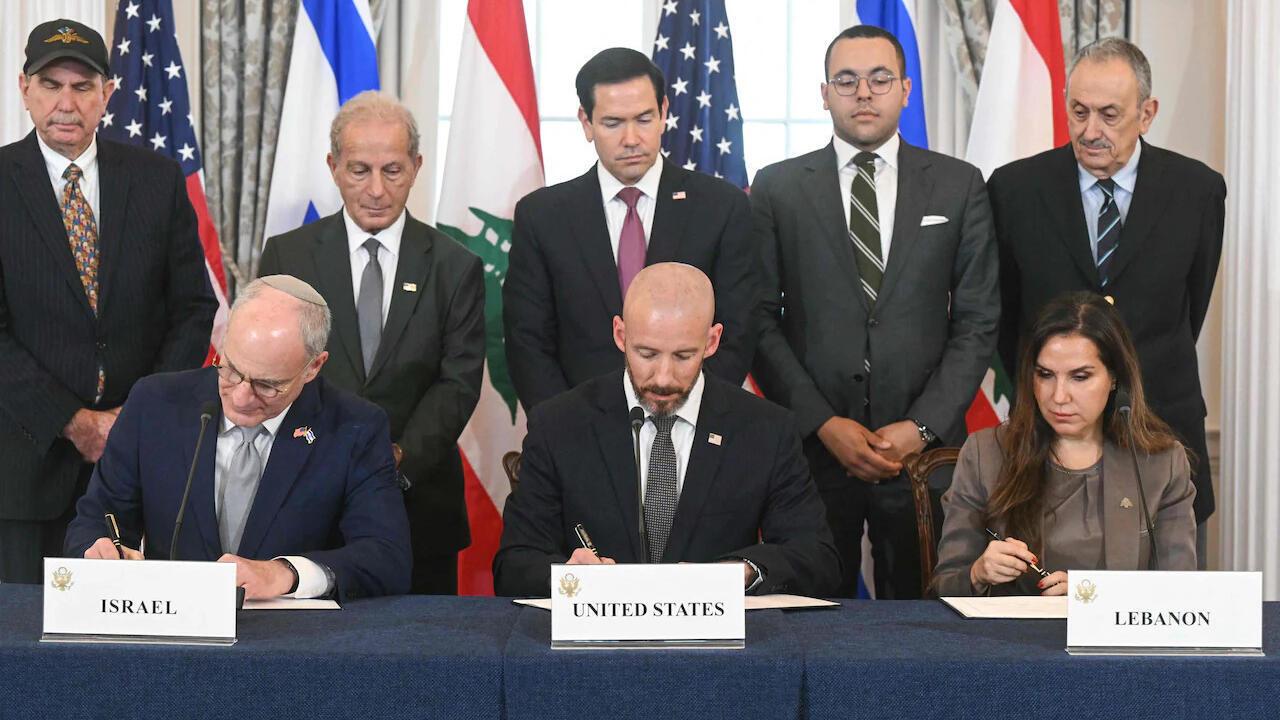
Protesters Riot in Beirut After Lebanon-Israel Framework Agreement, Hezbollah Flags Raised
Key Takeaways
- US-brokered framework agreement signed in Washington to withdraw Israeli forces and disarm Hezbollah.
- Beirut protesters gathered, many waving Hezbollah flags, denouncing the deal.
- Hezbollah rejects the framework, calls it disgrace and warns it could trigger civil conflict.
Deal signed, protests erupt
After the governments of Lebanon and Israel signed a United States-brokered framework agreement on Friday following months of direct negotiations, protesters took to the streets of Beirut to express their anger at the deal.
Many demonstrators waved flags of the Iran-backed group Hezbollah, which has been militarily confronting Israel’s ongoing invasion and occupation of large swaths of southern Lebanon.

Ali Zaytoun, a resident of Beirut’s southern suburbs known as Dahiyeh, said, “After everything my family, my village, the south, and Dahiyeh have endured – the destruction, the displacement, the grief and the loss – it is incredibly difficult for me to accept an agreement with the same state that carried out the military actions that devastated our communities.”
Zaytoun, who said he had been displaced multiple times due to Israeli attacks, added, “My protest is about remembering those who suffered, standing up for my community, and expressing that this agreement does not reflect the justice or respect that people who lived through this war deserve.”
Hezbollah rejects, riots follow
Hezbollah rejected the framework agreement as “null,” with Hezbollah chief Naim Qassem declaring it “humiliating, shameful, and a surrender of sovereignty,” and Hassan Fadlallah warning of “internal conflict” in Lebanon.
In Beirut, Hezbollah supporters rioted after the signing, with tire burnings blocking off main roads including those leading to Beirut’s airport, according to Lebanese media reports and footage of the unrest.
Qassem said the group would not abide by the agreement, warning, “We did not leave the battlefield in the most difficult circumstances, and we will not leave it,” and asserting Hezbollah would continue its attacks in violation of Lebanon’s domestic laws.
Fadlallah told Lebanese media that authorities would not be able to enforce the agreement unless “they go to civil war,” while the Jerusalem Post reported that he later complained Beirut sold out the Lebanese citizens of the south by “absolving the occupation of its past and future crimes.”
Withdrawal tied to disarmament
The 14-point Washington agreement says Israel has no claim to Lebanese territory and that the Lebanese Armed Forces will eventually be the authority in southern Lebanon “pending the verified disarmament of” non-state armed groups such as Hezbollah, while critics argue the framework relies too heavily on the US to enforce it.
“After long years of military confrontation and tension, punctuated by periods of fragile stability, the signing of the framework agreement between Lebanon and Israel in Washington, under United States sponsorship, marks a new political milestone, one that will determine Lebanon’s future more than Israel’s”
Karim Emile Bitar, a professor of international relations at the Saint Joseph University of Beirut, said, “The United States is unlikely to act as a neutral mediator and will almost certainly align with Israeli positions whenever disputes arise over the interpretation or implementation of the agreement,” describing a “fundamentally asymmetric negotiating environment.”
Israeli Defence Minister Yisrael Katz insisted that Israel will not withdraw from southern Lebanon until Hezbollah is disarmed, saying the army is preparing for a “long-term stay” in what Tel Aviv calls the “security zone.”
In the same context, Katz warned that the security zone will remain in place “as long as Hezbollah remains armed throughout the country,” while the Al Jazeera report said Hezbollah’s continued fighting in southern Lebanon has persisted where Israel has established a “security zone” that goes as deep as 10km (6.2 miles) into the country.
More on Lebanon
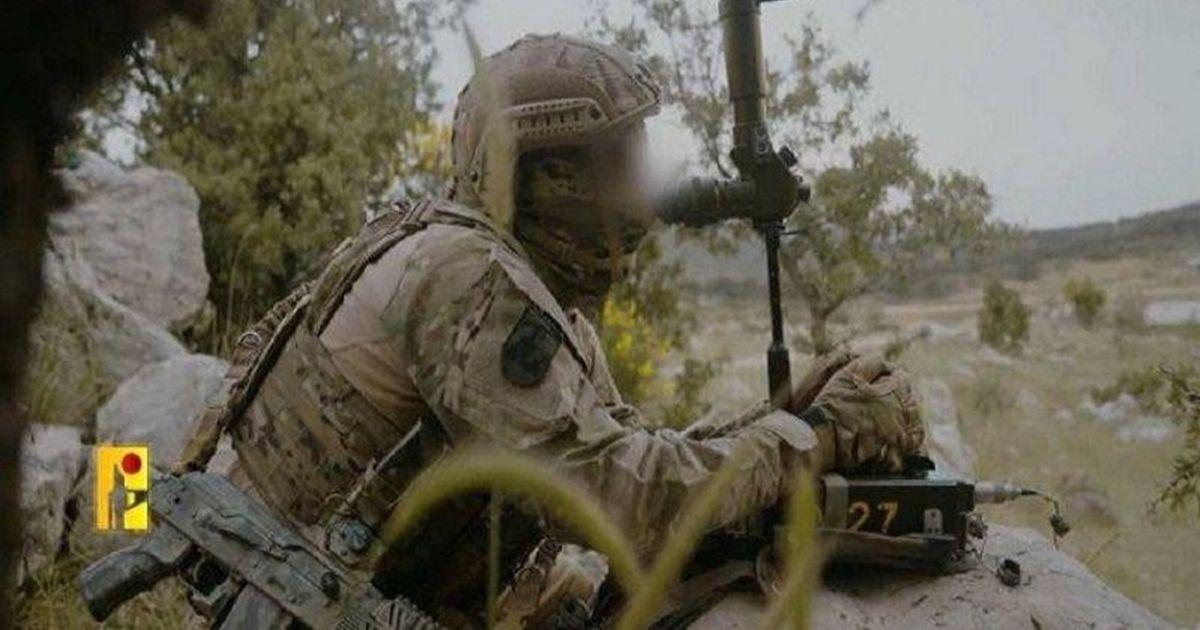
Israel Detonates Hezbollah Tunnel Network In Majdal Zoun, Strikes Near Nabatieh
16 sources compared

Israel Strikes South Lebanon After Framework Agreement, Hezbollah Rejects Deal
10 sources compared

Israel Drone Strike Hits Nabatieh al-Fawqa After US-Brokered Israel-Lebanon Framework Deal
16 sources compared
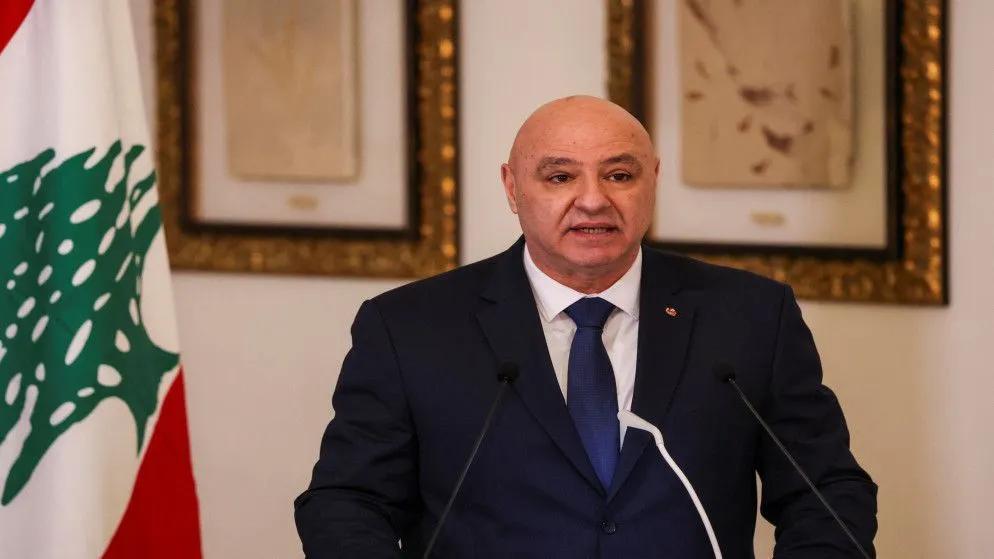
Joseph Aoun Welcomes France and Italy Plan for Post-UNIFIL Coalition in Lebanon
16 sources compared