Protesters Set Fire to Provincial Communist Party Office in Cuba, Five Arrested
Key Takeaways
- Five protesters arrested after storming a Cuban Communist Party office and setting computers on fire.
- State newspaper described the protest as vandalism.
- The protest began peacefully before escalating into vandalism.
Protest Incident Details
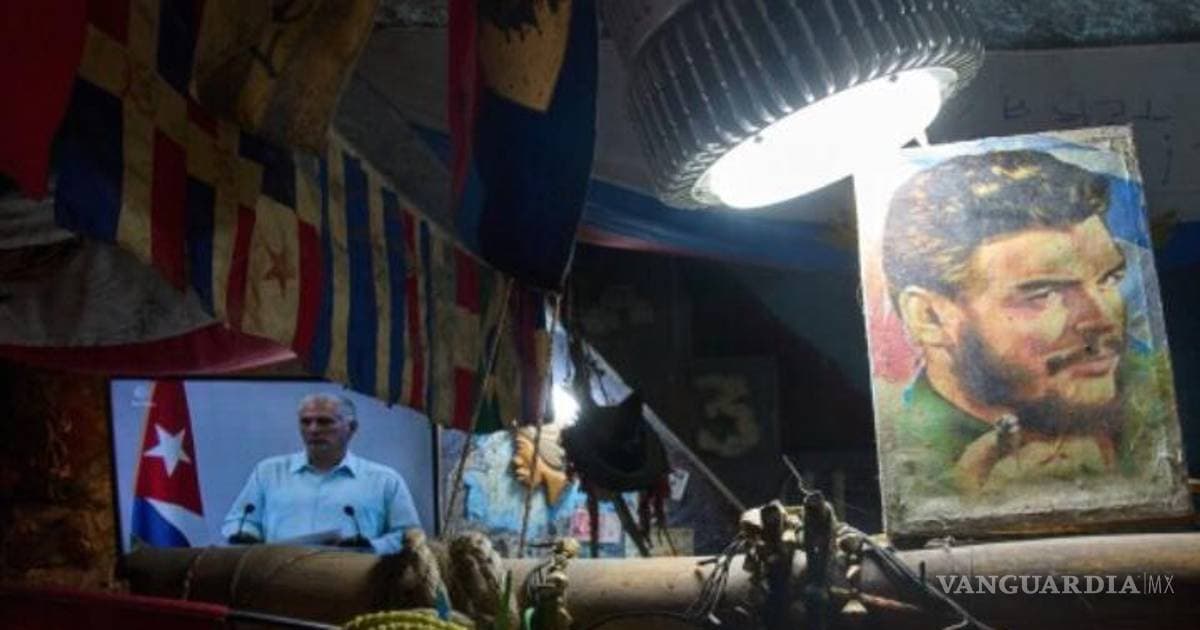
A significant protest incident occurred in Cuba when a small group of protesters forcibly entered a provincial Communist Party office in Morón.
“Trade with Cuba collapses as Trump escalates pressure on Communist Party leadership MIAMI (AP) — The Cuban Communist Party has shown an astonishing resilience over six decades in power”
The location was approximately 500 kilometers east of Havana, making this an unusual event outside the capital.
According to state media reports, the protest began peacefully but later escalated into what officials described as 'vandalism'.
Protesters specifically set fire to computers and furniture inside the Communist Party office during the incident.
Videos shared on social media documented the unfolding events, providing visual evidence of the unrest.
The footage showed protesters looting the office, removing documents, equipment, and furniture.
After removing the items, protesters burned them in the street, creating visible destruction.
A smaller group within the protest also engaged in throwing stones during the disturbances.
Cuban authorities responded to the incident by arresting five individuals in connection with the events.
The arrests were specifically for what officials termed criminal acts against state property.
Economic Context
The protest incident occurred against a backdrop of severe economic challenges in Cuba.
Associated Press reports indicate that conditions in Cuba have deteriorated significantly.
A Maryland-based businessman who has visited Cuba regularly described the situation as the worst he has ever witnessed.
John Felder, owner of Premier Automotive Export, has been selling electric cars and scooters to Cuba since 2012.
Felder noted that Cubans are experiencing profound anguish despite their remarkable resilience.
Many Cubans express uncertainty about the future and their country's economic direction.
The economic hardship has been exacerbated by restrictive U.S. policies toward Cuba.
These policies have restricted oil shipments, creating what Cuba terms a 'fuel blockade'.
The fuel restrictions have significantly impacted daily life and business operations nationwide.
US-Cuba Relations
U.S.-Cuba relations have reached a new point of tension under the Trump administration.
“Trade with Cuba collapses as Trump escalates pressure on Communist Party leadership MIAMI (AP) — The Cuban Communist Party has shown an astonishing resilience over six decades in power”
The Trump administration has implemented aggressive policies specifically targeting Cuba's energy sector.
In a striking historical reference, Trump declared the U.S. would block all Venezuelan oil shipments to Cuba.
The administration seized several tankers to enforce what they called a 'quarantine' of Cuba.
This terminology deliberately echoed President John F. Kennedy's actions during the 1962 Cuban missile crisis.
Trump subsequently signed an executive order threatening tariffs on oil-supplying countries.
This policy alarmed Mexican officials who have historically opposed U.S. Cuba policy.
Mexico's state-run oil company Pemex had become an important energy source for Cuba.
Pemex's role had grown valuable as Venezuelan oil exports to Cuba had declined significantly.
These U.S. actions represent a substantial escalation in pressure tactics against Cuba.
Policy Adjustments
The Trump administration has faced mounting criticism over its Cuba policies.
Critics argue that U.S. actions are causing severe hardship for Cuban civilians.
In response to this criticism, Secretary of State Marco Rubio has modified the administration's approach.
Rubio has specifically walked back some of the administration's most aggressive threats.
In January, the State Department delivered humanitarian assistance to Cuba.
This aid included $3 million worth of food kits, water purification tablets, and other essential items.
More recently, the White House announced a policy shift regarding fuel shipments.
The administration now allows U.S. companies to send fuel to private Cuban businesses.
This includes Venezuelan oil, which was previously blocked under the quarantine policy.
Rubio framed this change as a strategy to develop Cuba's small private sector.
However, critics question the policy's effectiveness due to limited capital among Cuban businesses.
The government's monopoly on gasoline distribution further complicates the approach.
More on USA

Trump threatens to deploy ICE agents to US airports amid DHS funding standoff
46 sources compared

ICE Detainee Royer Perez-Jimenez Dies in Florida Detention Center; Officials Suspect Suicide
10 sources compared
Elon Musk Offers to Pay TSA Salaries During Partial Government Shutdown
50 sources compared

California lawmakers rename Cesar Chavez Day to Farmworkers Day amid sexual abuse allegations.
17 sources compared